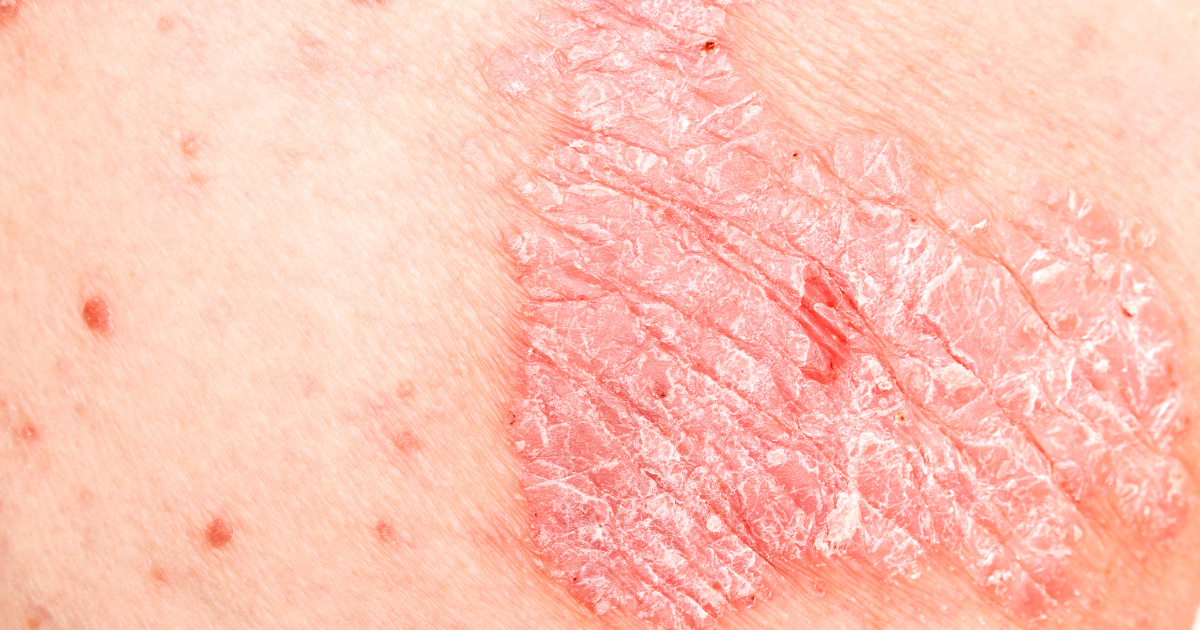


Lupus, especially Systemic Lupus Erythematosus (SLE), is a chronic autoimmune disease known for its wide variety of symptoms. One of the most commonly recognized signs of lupus is the butterfly-shaped rash across the cheeks and nose. However, not every person with lupus develops a skin rash.
Yes — lupus can occur without any visible rash, and in many cases, the disease mainly affects internal organs. These “hidden” or invisible symptoms often delay diagnosis and treatment.
In this article, we will explain:
- Whether lupus can exist without a rash
- What hidden symptoms to watch for
- Why diagnosis may be missed
- When to seek medical attention
Is a Rash Necessary for a Lupus Diagnosis?
No, a rash is not required for a lupus diagnosis.
Although skin rashes occur in about 70–80% of lupus patients, this means that 20–30% may never develop noticeable skin symptoms. Lupus is a systemic disease, meaning it can affect:
- Joints
- Kidneys
- Brain and nerves
- Heart and lungs
- Blood cells
Some patients mainly experience internal organ involvement rather than skin disease..
Hidden or Non-Cutaneous Symptoms of Lupus
Many lupus symptoms are not visible on the skin and can easily be confused with other conditions.
1. Chronic Fatigue
One of the most disabling symptoms of lupus. Fatigue in lupus:
- Is persistent
- Does not improve with rest
- Interferes with daily activities
2. Joint Pain and Swelling
Lupus commonly causes inflammatory arthritis, especially in:
- Hands
- Wrists
- Knees
Pain may shift from one joint to another and may be worse in the morning.
3. Recurrent Low-Grade Fever
Unexplained fevers that come and go may indicate immune system inflammation and should not be ignored.
4. Hair Thinning or Hair Loss
Hair may:
- Become fragile
- Fall out in patches
- Thin diffusely
This can occur even without scalp rashes.
5. Kidney Problems (Lupus Nephritis)
Kidney involvement is one of the most serious lupus complications and may be silent early on. Warning signs include:
- Swelling of feet or face
- Foamy urine
- High blood pressure
- Abnormal urine tests
6. Chest Pain and Breathing Difficulty
Inflammation of the lung lining (pleuritis) or heart lining (pericarditis) may cause:
- Sharp chest pain
- Pain on deep breathing
- Shortness of breath
7. Neurological and Mental Symptoms
When lupus affects the nervous system, symptoms may include:
- Headaches
- Memory problems
- Confusion
- Mood changes
- Depression or anxiety
Why Lupus Without a Rash Is Often Missed
Lupus is sometimes called “the great imitator” because it can mimic many diseases.
Without a rash, lupus may be mistaken for:
- Rheumatoid arthritis
- Fibromyalgia
- Chronic fatigue syndrome
- Depression
- Thyroid disorders
Because symptoms are vague and overlap with other conditions, diagnosis may be delayed for months or even years.
When Should You See a Doctor?
You should seek medical evaluation if you have:
- Persistent fatigue
- Ongoing joint pain or swelling
- Unexplained fevers
- Hair loss
- Chest pain
- Swelling in legs or face
Even without a rash, these symptoms together may suggest lupus.
A rheumatologist is the most appropriate specialist to evaluate suspected lupus.
Tests Used to Diagnose Lupus
Doctors may order:
- ANA (Antinuclear Antibody) test
- Anti-dsDNA and Anti-Smith antibodies
- Complement levels (C3, C4)
- Urine examination
- Kidney function tests
- Blood counts (CBC)
No single test confirms lupus. Diagnosis is based on symptoms + lab findings.
Can Lupus Exist Without Skin Involvement Permanently?
Yes. Some patients may never develop a rash and only show:
- Joint symptoms
- Kidney disease
- Blood abnormalities
- Neurological issues
This is why lupus awareness should not be limited to skin signs alone.
Importance of Early Diagnosis
Early detection of lupus helps:
- Prevent kidney damage
- Reduce flare-ups
- Protect the heart and brain
- Improve long-term quality of life
Delaying diagnosis may lead to irreversible organ damage.
Final Thoughts
While facial rashes and skin lesions are well-known signs of lupus, not all lupus patients have visible skin symptoms. Many people experience lupus only through fatigue, joint pain, kidney issues, or neurological symptoms.
If you or a loved one has ongoing unexplained health problems—even without a rash—do not dismiss lupus as a possibility. Lupus without a rash is real, and timely medical care can significantly improve outcomes.
FAQ
Can you have lupus without a rash?
Yes. Many lupus patients do not develop skin rashes and mainly experience internal symptoms.
What are early signs of lupus without a rash?
Fatigue, joint pain, fever, hair loss, and swelling may be early warning signs.
Is lupus harder to diagnose without a rash?
Yes. Without skin symptoms, lupus can mimic other diseases and diagnosis may be delayed.
Which doctor should I consult for lupus?
A rheumatologist is the best specialist for lupus diagnosis and treatment.
Can lupus affect organs without skin symptoms?
Yes. Lupus can affect kidneys, brain, lungs, heart, and blood cells even without rash.