

Lupus is a complex autoimmune condition where the immune system attacks the body’s own tissues, causing inflammation and damage to organs. However, not all lupus is the same. It presents in different forms, each with its own symptoms, causes, and treatment approaches.
In this blog, we break down the four main types of lupus:
- Systemic Lupus Erythematosus (SLE)
- Cutaneous Lupus
- Drug-Induced Lupus
- Neonatal Lupus
1. Systemic Lupus Erythematosus (SLE)
SLE is the most common and serious form of lupus. It affects multiple organs including the kidneys, heart, lungs, brain, joints, and skin.
🔹 Symptoms:
- Fatigue
- Joint pain and swelling
- Skin rashes (like the butterfly-shaped rash across the cheeks and nose)
- Fever
- Chest pain
- Hair loss
- Sensitivity to sunlight
🔹 Complications:
SLE can lead to severe complications such as kidney disease (lupus nephritis), blood clots, and inflammation of the heart or lungs.
🔹 Treatment:
Treatment usually includes corticosteroids, hydroxychloroquine, immunosuppressants, and biologic drugs like belimumab or anifrolumab.
2. Cutaneous Lupus (Skin Lupus)
Cutaneous lupus primarily affects the skin and does not typically involve internal organs. There are different subtypes:
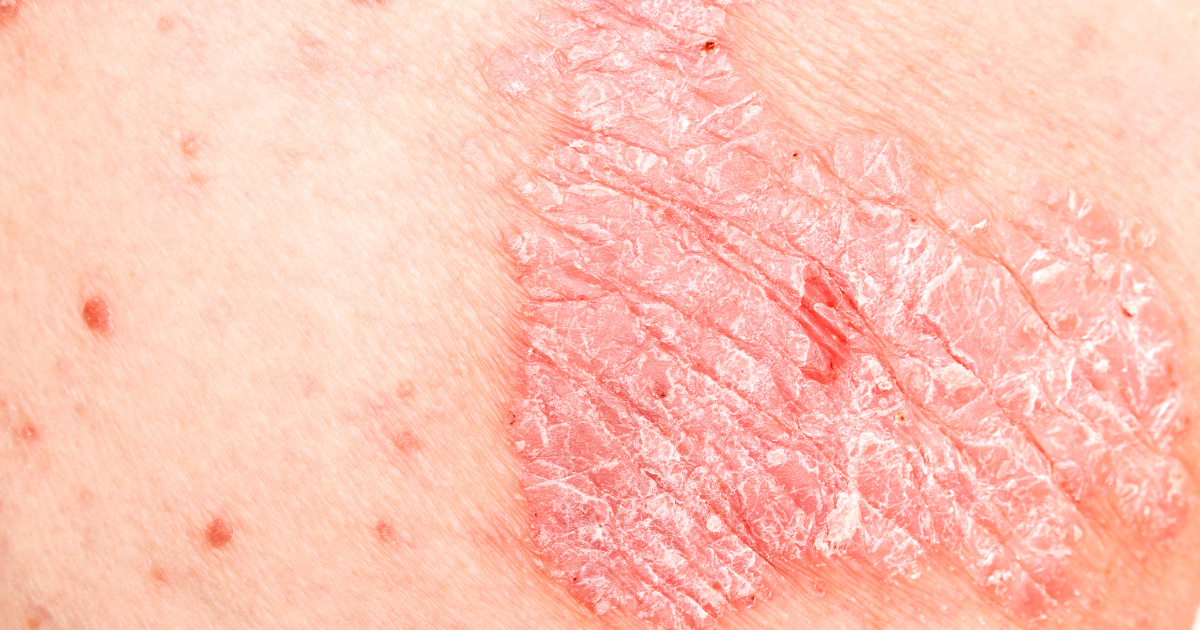
- Discoid Lupus Erythematosus (DLE): Causes scaly, coin-shaped lesions that can lead to scarring.
- Subacute Cutaneous Lupus: Appears as red, ring-shaped lesions, especially on sun-exposed areas.
- Acute Cutaneous Lupus: Often associated with SLE and presents as a butterfly rash.
🔹 Symptoms:
- Red or purple rashes
- Photosensitivity (rash triggered by sunlight)
- Skin sores or lesions
🔹 Treatment:
Includes topical steroids, antimalarials (like hydroxychloroquine), and strict sun protection with SPF clothing and sunscreen.
3. Drug-Induced Lupus
Drug-induced lupus is caused by a reaction to certain prescription medications. It mimics the symptoms of SLE but is usually less severe and reversible when the drug is discontinued.
🔹 Common Drugs That Can Trigger It:
- Hydralazine (used for high blood pressure)
- Procainamide (used for irregular heart rhythms)
- Isoniazid (used for tuberculosis)
- Certain anti-seizure and thyroid medications
🔹 Symptoms:
- Joint and muscle pain
- Fever
- Chest pain
- Fatigue
- Rarely involves kidneys or the central nervous system
🔹 Treatment:
Stopping the triggering drug usually resolves symptoms within a few weeks to months. Mild symptoms may be treated with NSAIDs or short-term corticosteroids.
4. Neonatal Lupus
This rare condition affects newborns of mothers who carry specific autoimmune antibodies (anti-Ro/SSA or anti-La/SSB), even if the mother has no lupus symptoms herself.
🔹 Symptoms in Newborns:
- Skin rash (often ring-shaped or raised)
- Low blood cell counts
- Liver problems
- Congenital heart block (a serious complication in rare cases)
🔹 Treatment:
- Skin symptoms usually go away in a few months.
- Babies with heart block may need lifelong cardiac monitoring or a pacemaker.
- Preventative care during pregnancy can help reduce risks.
Conclusion
Understanding the different types of lupus helps patients and caregivers recognize the signs early and seek appropriate treatment. While Systemic Lupus Erythematosus (SLE) is the most recognized form, cutaneous, drug-induced, and neonatal lupus are also important to know.
If you or someone you love is living with lupus symptoms, consult a rheumatologist for diagnosis and tailored treatment.