

Scleroderma is a rare autoimmune disease that affects the skin, blood vessels, and internal organs. But what if your body gave you a clue before the damage begins?
That’s exactly what Raynaud’s phenomenon can do.
In fact, for many people, Raynaud’s is the very first visible sign of scleroderma, sometimes appearing years before other symptoms develop. Recognizing this warning sign early can lead to faster diagnosis and better outcomes.
Let’s explore what Raynaud’s is, how it relates to scleroderma, and when to seek help.
What Is Raynaud’s Phenomenon?
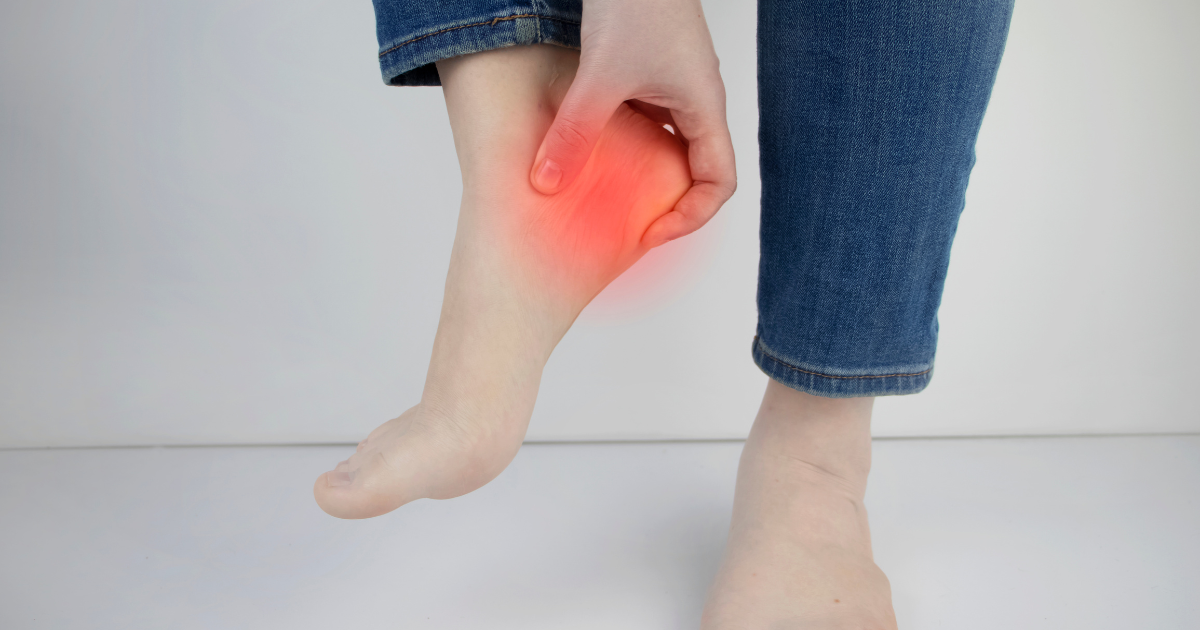
Raynaud’s phenomenon is a condition where blood vessels in your fingers, toes, and sometimes nose or ears narrow suddenly, usually in response to cold temperatures or stress. This leads to color changes, numbness, tingling, and pain in the affected areas.
Typical color sequence:
- White (pallor) – due to lack of blood flow
- Blue (cyanosis) – due to lack of oxygen
- Red (rubor) – when blood flow returns
What’s the Link Between Raynaud’s and Scleroderma?
There are two types of Raynaud’s:
- Primary Raynaud’s: Occurs on its own, usually mild
- Secondary Raynaud’s: Linked to another disease like scleroderma, lupus, or rheumatoid arthritis
In scleroderma, Raynaud’s is often the first sign of underlying vascular damage and autoimmune activity. Around 90% of people with scleroderma experience Raynaud’s—often years before their diagnosis.
Why You Shouldn’t Ignore It
While primary Raynaud’s is usually harmless, secondary Raynaud’s can signal a serious autoimmune condition like scleroderma. Ignoring it may delay diagnosis and treatment.
Here’s why early detection matters:
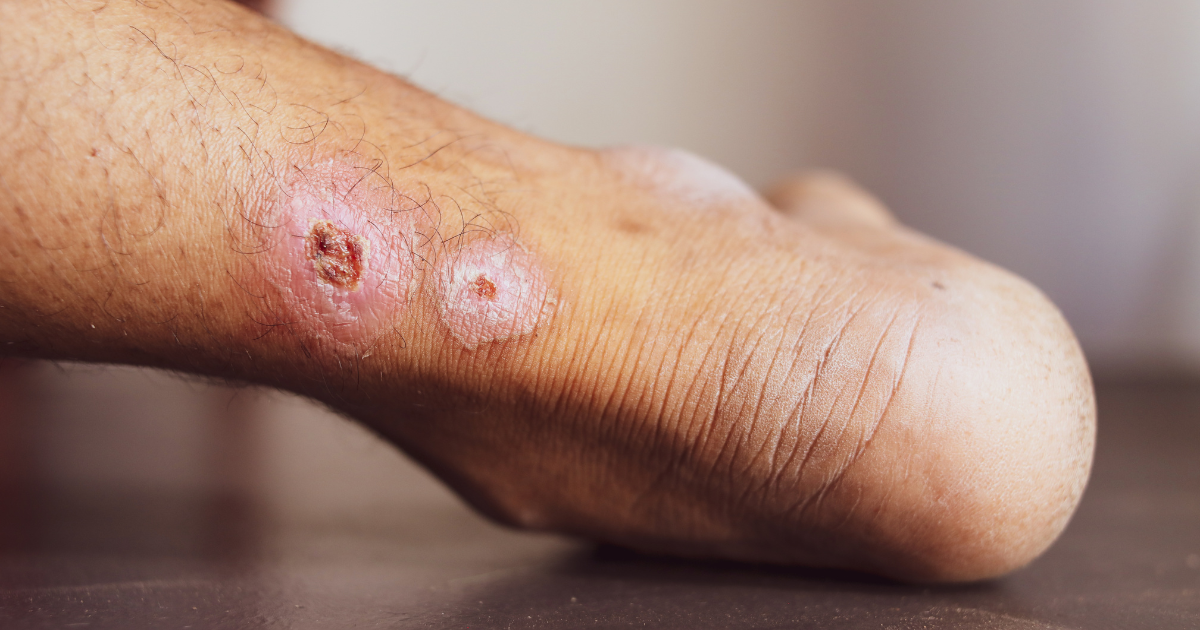
- ✔️ Blood vessel damage from scleroderma can lead to painful digital ulcers or even tissue loss.
- ✔️ Internal organs may eventually be affected, including lungs, heart, and kidneys.
- ✔️ Early treatment can help prevent irreversible complications.
Warning Signs Raynaud’s May Be Linked to Scleroderma
If you experience any of the following, it’s time to consult a rheumatologist:
- Raynaud’s episodes are frequent and severe
- You develop shiny, tight, or thickened skin on hands or face
- Fingertips develop ulcers or sores
- You have heartburn, dry cough, or difficulty swallowing
- Blood tests show positive ANA (antinuclear antibody)
How Is It Treated?
There is no cure for Raynaud’s or scleroderma, but early and consistent management can improve quality of life.
Treatment options:
- Lifestyle changes: Avoid cold, wear gloves, manage stress
- Medications: Calcium channel blockers (like nifedipine), vasodilators, immunosuppressants for scleroderma
- Supplements: Omega-3s, magnesium (with medical advice)
- Severe cases: Botox injections, nerve surgery, or IV therapies
Self-Care Tips for Raynaud’s in Scleroderma
- Use heated gloves or hand warmers in cold weather
- Avoid caffeine and smoking—both constrict blood vessels
- Moisturize hands regularly to prevent cracks or ulcers
- Keep stress under control with yoga, meditation, or therapy
FAQs: Raynaud’s & Scleroderma
Q1. How can I tell if my Raynaud’s is primary or secondary?
If you have severe symptoms, skin changes, or positive autoimmune tests, it’s likely secondary. A rheumatologist can confirm with blood tests and imaging.
Q2. Can Raynaud’s appear years before scleroderma?
Yes, in many cases Raynaud’s appears 2–10 years before other signs of scleroderma.
Q3. Is Raynaud’s dangerous in scleroderma?
Yes—secondary Raynaud’s can lead to ulcers, gangrene, or even finger loss if untreated. It’s important to manage it early.
Q4. Will medication stop Raynaud’s attacks completely?
Not always, but medications can reduce the frequency and severity of attacks and prevent long-term damage.
Final Words
Your fingers and toes could be sending you a message. If you’re experiencing Raynaud’s symptoms, especially with other signs like tight skin or fatigue, don’t brush it off. It may be your body’s way of telling you that something deeper—like scleroderma—is going on.
Early diagnosis saves lives. Talk to a doctor, run tests, and take control of your health before complications arise.