

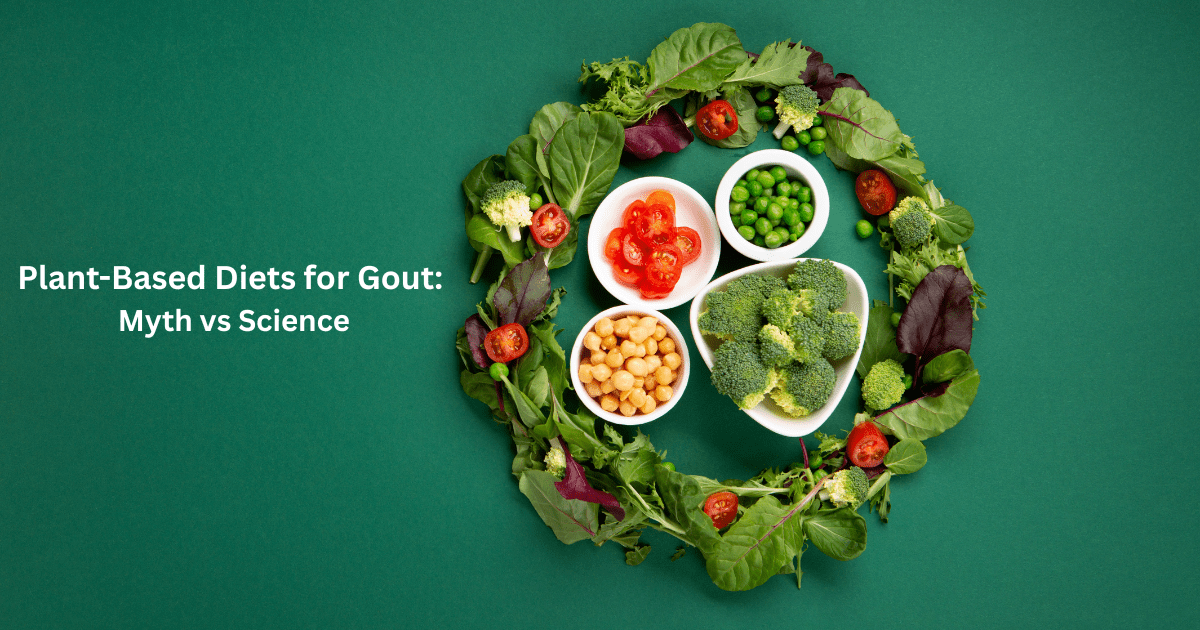
Gout is often called the “disease of kings,” but today it affects millions of ordinary people worldwide. Characterized by painful flare-ups caused by excess uric acid, it is closely linked to diet and lifestyle. Traditionally, doctors advise gout patients to limit foods rich in purines, which break down into uric acid. Since plant-based diets are rising in popularity, many people wonder: Are plant-based foods safe for gout patients, or do they worsen the condition? Let’s separate the myths from the science.
Understanding Gout and Uric Acid
Gout develops when uric acid builds up in the blood and forms sharp crystals in joints, leading to swelling, redness, and severe pain. Uric acid comes from two sources:
- Dietary purines (from foods like meat, seafood, alcohol)
- Natural body processes (cell turnover and metabolism)
Since diet plays such a strong role, many people assume avoiding all high-purine foods—including certain vegetables—can prevent gout attacks. But science tells a more nuanced story.
Myth: Plant-Based Diets Cause Gout
Some vegetables (like spinach, mushrooms, and cauliflower) contain moderate to high levels of purines. Because of this, there’s a belief that plant-based diets may trigger gout flares. However, studies consistently show that plant-based purines behave differently from those in animal-based foods.
For example:
- Animal purines (from red meat, organ meats, seafood) are strongly linked to increased uric acid and gout risk.
- Plant purines, in contrast, do not seem to raise uric acid to the same extent. In fact, many plant foods have protective compounds like fiber, antioxidants, and polyphenols that may reduce inflammation.
Science: Plant-Based Diets May Help Gout Patients
Several studies suggest that plant-based diets, particularly whole-food, plant-based (WFPB) patterns, can actually lower gout risk and improve overall health. Here’s why:
- Lower Animal Protein Intake – Cutting down meat and seafood reduces purine load significantly.
- More Fiber – Fiber improves kidney function and helps excrete uric acid more effectively.
- Weight Management – Plant-based diets support healthy weight, and obesity is a major risk factor for gout.
- Anti-inflammatory Foods – Fruits, vegetables, nuts, and seeds contain antioxidants that reduce joint inflammation.
Best Plant-Based Foods for Gout Patients
- Fruits: Cherries, berries, oranges, apples – cherries especially may lower flare risk.
- Vegetables: Leafy greens, carrots, bell peppers, broccoli – despite purines, vegetables are generally safe.
- Whole Grains: Brown rice, quinoa, oats.
- Legumes: Lentils, beans, chickpeas – moderate intake is safe for most patients.
- Nuts & Seeds: Almonds, walnuts, flaxseeds – rich in healthy fats.
- Beverages: Coffee and green tea may help lower uric acid.
Foods to Limit – Even on a Plant-Based Diet
- Sugary Drinks: Soda and fruit juices with added sugar can spike uric acid.
- Refined Carbs: White bread, pastries, processed snacks.
- Alcohol: Beer and spirits, even if plant-based, worsen gout attacks.
Practical Tips for Gout Patients on a Plant-Based Diet
- Drink at least 8–10 glasses of water daily to flush out uric acid.
- Maintain a healthy body weight – avoid overeating even “healthy” plant foods.
- Balance diet with moderate physical activity.
- Consult a doctor or dietitian before making drastic dietary changes.
FAQs About Plant-Based Diet and Gout
Q1: Should gout patients avoid spinach, mushrooms, or cauliflower?
➡️ No. While these vegetables contain purines, they don’t increase gout risk the way red meat or seafood does.
Q2: Are legumes like beans and lentils safe?
➡️ Yes, in moderation. They are nutritious and safer than animal proteins.
Q3: Can a fully vegan diet cure gout?
➡️ No diet “cures” gout completely, but a plant-based diet may reduce flare frequency and severity.
Q4: What drinks are best for gout patients?
➡️ Water, green tea, coffee, and low-fat plant-based milk are best. Avoid sugary sodas and beer.
Conclusion
The idea that plant-based diets worsen gout is a myth. Science shows that plant-based eating—rich in fruits, vegetables, whole grains, and legumes—can actually support lower uric acid levels, reduce inflammation, and improve overall health. While moderation is key, most plant foods are safe and even beneficial for gout patients. With the right balance, a plant-based lifestyle may be one of the most powerful tools in managing gout in the modern world.