

Introduction
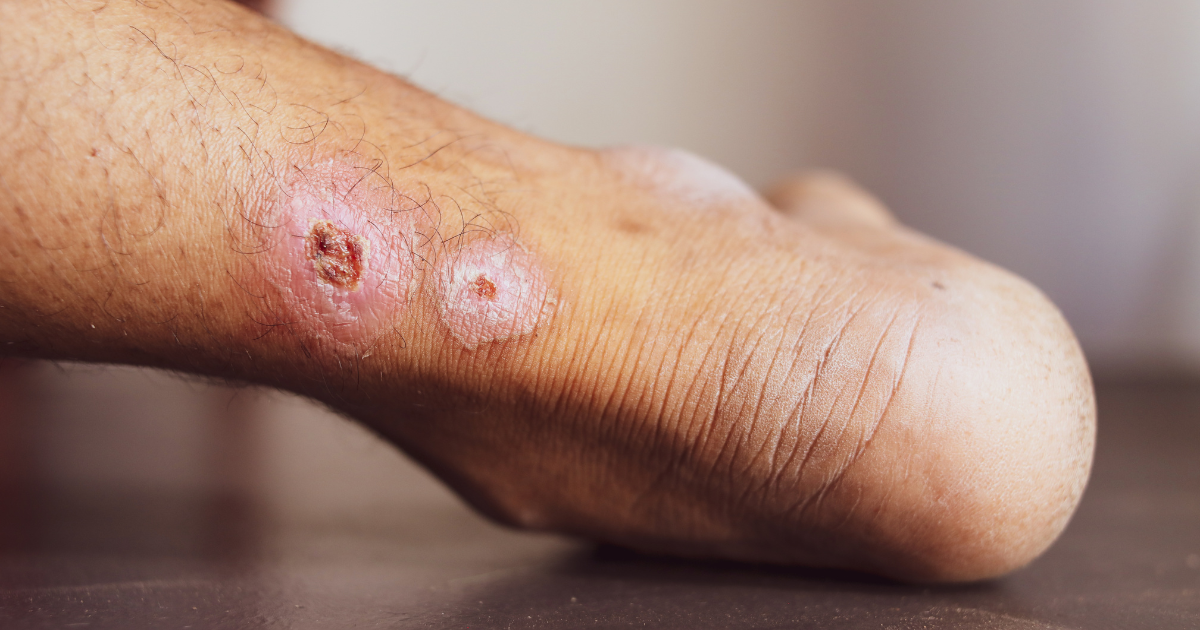
Pyoderma Gangrenosum (PG) is a rare, chronic autoimmune skin condition characterized by painful ulcers and rapid skin breakdown. Though its exact cause is unknown, PG is often associated with autoimmune diseases like Rheumatoid Arthritis, Inflammatory Bowel Disease, and Vasculitis.
One less-discussed factor is environmental triggers, particularly sunlight and UV exposure, which may worsen or initiate PG lesions in susceptible individuals. Understanding this connection is crucial for prevention, early recognition, and effective management.
What is Pyoderma Gangrenosum?
PG is classified as a neutrophilic dermatosis, meaning it occurs due to an overactive immune response involving neutrophils, a type of white blood cell.
Symptoms include:
- Painful red or purple skin bumps that progress into ulcers
- Rapid ulcer enlargement with a violaceous (purple) border
- Predilection for lower legs, arms, and trauma-prone areas
While PG can appear spontaneously, external triggers like minor trauma, surgery, or even sunburn may precipitate lesions—a phenomenon known as pathergy.
How Sunlight May Trigger PG Lesions
Sunlight, specifically UV radiation, can affect the skin in multiple ways:
1. UV-Induced Skin Damage
- UV rays cause direct DNA damage and inflammation in the skin.
- In PG patients, this can activate immune cells and worsen existing ulcers.
2. Photosensitivity in Autoimmune Conditions
- Many PG patients have underlying autoimmune diseases, which often include photosensitivity.
- UV exposure may trigger an immune flare, increasing neutrophil activity and skin inflammation.
3. Pathergy and Minor Skin Trauma
- Even minor sunburn can act as skin trauma, triggering a pathergic response, where new PG lesions develop at the injured site.
- This is why sun-exposed areas may be more vulnerable to flares in some patients.
Scientific Evidence and Case Reports
While research specifically linking sunlight to PG is limited, dermatologists have observed:
- Lesions appearing on sun-exposed areas after extended outdoor activity
- Exacerbation of PG ulcers during summer months in certain patients
- Improved outcomes in patients who practice strict sun protection
A case report published in the Journal of Dermatology noted that UV-induced inflammation worsened PG in a patient with concurrent ulcerative colitis.
This suggests that while sunlight may not be the primary cause of PG, it can act as a trigger for susceptible individuals.
Preventive Measures for Sunlight-Induced PG Flares
If you have PG or a history of autoimmune conditions, following these precautions can help reduce the risk of flare-ups:
1. Use Broad-Spectrum Sunscreen
- SPF 30 or higher, applied generously on all exposed skin
- Reapply every 2–3 hours during sun exposure
2. Wear Protective Clothing
- Long sleeves, hats, and gloves for outdoor activities
- UV-protective fabrics are available for sensitive patients
3. Limit Direct Sun Exposure
- Avoid sun between 10 AM and 4 PM, when UV radiation is strongest
- Seek shade whenever possible
4. Gentle Skin Care
- Avoid harsh soaps, scrubs, or exfoliants that may irritate skin
- Moisturize daily to maintain skin barrier integrity
5. Monitor Skin Regularly
- Check for new bumps, redness, or ulcer formation
- Early detection allows prompt medical intervention
Treatment Considerations for PG with Sun Sensitivity
Even with preventive measures, flares may occur. Treatments include:
1. Topical Therapies
- Corticosteroid creams or ointments to reduce inflammation
- Calcineurin inhibitors like tacrolimus for sensitive skin
2. Systemic Medications
- Oral corticosteroids for rapid flare control
- Immunosuppressants like cyclosporine, methotrexate, or mycophenolate mofetil
- Biologic therapies (TNF-alpha inhibitors) in resistant cases
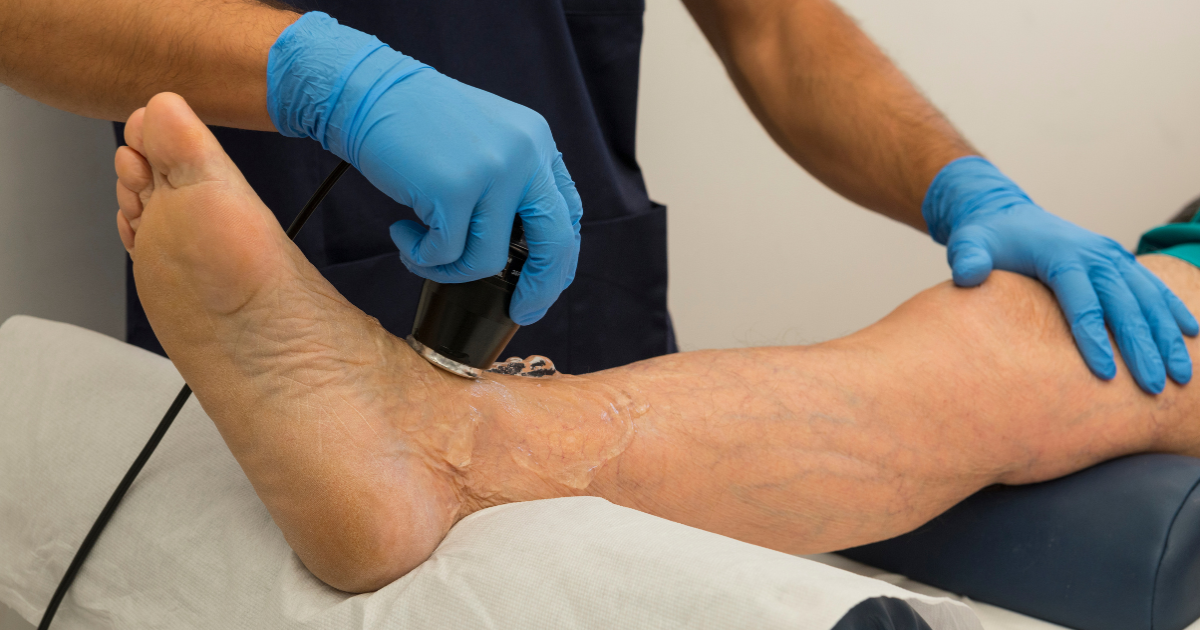
3. Advanced Wound Care
- Non-adherent dressings and hydrocolloid bandages
- Avoid trauma to ulcer edges to prevent pathergic lesions
4. Lifestyle Integration
- Combine medications with sun protection, gentle skincare, and stress management for optimal results
Tips for Daily Life with PG and Sun Sensitivity
- Maintain a daily skin diary noting UV exposure and flare patterns
- Plan outdoor activities in early morning or late evening
- Keep cool packs handy to soothe sun-exposed skin
- Communicate with your dermatologist about any new skin changes
FAQs
1. Can sun exposure cause PG in someone who has never had it?
Not usually. Sunlight may trigger lesions in susceptible individuals with autoimmune predisposition.
2. Which areas are most affected by UV-triggered PG lesions?
Sun-exposed areas such as the face, arms, and legs are more prone.
3. Is sunscreen enough to prevent PG flares?
Sunscreen is essential but should be combined with protective clothing and limiting sun exposure.
4. Can PG heal completely once triggered by sunlight?
Yes, with proper medical treatment and wound care, ulcers can heal, though prevention is crucial to avoid recurrence.
5. Are there alternative therapies to reduce UV sensitivity?
Yes, some patients benefit from antioxidant-rich diets, herbal supplements, and photoprotective clothing, but always consult a doctor first.
Conclusion
While Pyoderma Gangrenosum is primarily an autoimmune condition, environmental factors like sunlight and UV exposure can trigger or worsen lesions in susceptible individuals.
Early recognition, preventive measures, and prompt treatment are key to managing PG successfully. Combining sun protection, skin care, medications, and lifestyle adjustments can help patients reduce flares, heal ulcers faster, and maintain a better quality of life.
Being aware of sunlight as a potential trigger empowers patients to take control of their skin health while living with PG.