

Introduction
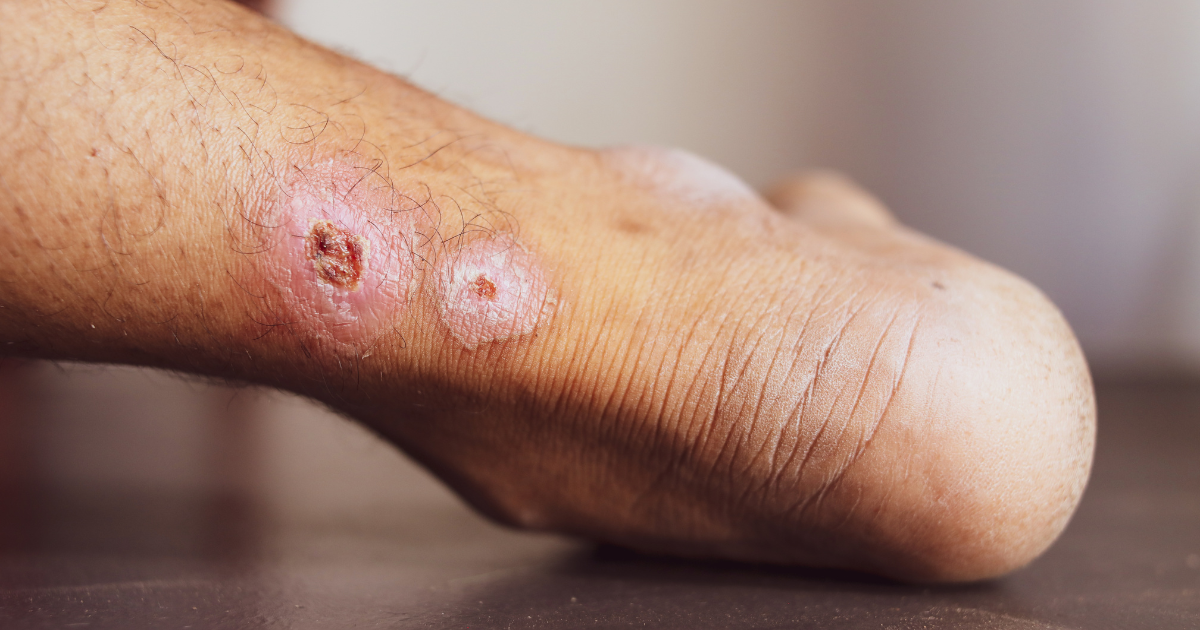
Pyoderma Gangrenosum (PG) is a rare inflammatory skin disease that causes painful ulcers, usually on the legs. Since its early symptoms can resemble infections, insect bites, or vascular ulcers, correct diagnosis is crucial. One of the most important steps in diagnosing PG is a skin biopsy. Many patients feel anxious when they hear the word “biopsy,” but in the case of PG, the biopsy is done to rule out other conditions and start timely treatment. This blog explains why a biopsy is needed, how it is done, and what you can expect before and after the procedure.
Why is a Skin Biopsy Needed?
There is no single test that directly confirms Pyoderma Gangrenosum. Instead, doctors diagnose it by:
- Clinical symptoms
- Medical history
- Response to treatment
- And most importantly—ruling out infections, cancer, or vasculitis
A skin biopsy helps answer crucial questions:
- Is the ulcer caused by bacterial or fungal infection?
- Is there a sign of vasculitis?
- Are there signs of autoimmune inflammation?
- Are we missing another underlying disease?
Biopsy ensures that unnecessary antibiotics or surgeries are avoided and the correct treatment—such as steroids or immunosuppressants—can begin sooner.
Types of Skin Biopsy Used for PG
Depending on the size and location of the ulcer, your doctor may choose:
1. Punch Biopsy
- A small circular tool (3–6 mm) removes a sample from the edge of the ulcer.
- Usually used for small or early lesions.
2. Incisional Biopsy
- A small wedge or slice of skin is removed.
- Ideal for large or deep ulcers.
3. Excisional Biopsy
- Rarely done in PG because complete removal can worsen the ulcer.
In PG, biopsy is typically taken from the edge of the lesion, where active inflammation is most visible.
Before the Procedure: What to Expect
Your doctor will explain:
- Why biopsy is necessary
- Which type will be performed
- Possible risks (especially pathergy)
- Aftercare instructions
You may need to do the following:
- Inform the doctor if you are on blood thinners
- Mention any allergies
- Tell them if you have diabetes (healing may take longer)
- Avoid touching or scratching the lesion
During the Procedure
A skin biopsy is a simple, outpatient procedure that usually takes 10–20 minutes.
Here’s what typically happens:
1. Cleaning the Area
The skin around the ulcer is cleaned with antiseptic to prevent infection.
2. Local Anesthesia
- A small injection numbs the area.
- You may feel a pinch or burning sensation for a few seconds.
- After that, you should not feel pain—only pressure.
3. Sample Collection
- The doctor uses a punch tool or scalpel to remove a small piece of skin.
- If needed, a stitch or two may be placed.
4. Dressing
A sterile dressing or bandage is applied.
The entire process is usually quick and well-tolerated.
After the Procedure: Recovery & Care
Most patients can go home immediately after the biopsy. You may be advised to:
1. Keep the area dry for 24 hours
Moisture can delay healing.
2. Change dressing daily
Use clean, sterile gauze.
3. Avoid pressure or friction
Don’t scratch or rub the biopsy site.
4. Watch for mild symptoms
It is normal to have:
- Mild swelling
- Slight redness
- Mild discomfort
5. Seek medical help if you notice
- Excessive bleeding
- Pus discharge
- Increasing pain
- Fever (rare)
Healing usually takes 7–14 days depending on the location, and stitches (if any) are removed in 7–10 days.
Biopsy and Pathergy in Pyoderma Gangrenosum
One important concern with PG is pathergy, meaning:
- A small injury can trigger a new PG lesion.
Because of this, some patients fear that biopsy may worsen the ulcer.
However:
- Biopsy is done carefully at the ulcer edge
- Doctors evaluate the risk before performing it
- Benefits of correct diagnosis usually outweigh the risk
If Pyoderma Gangrenosum is confirmed, treatment with steroids or immunosuppressants quickly controls inflammation and reduces the pathergy risk.
What Does the Biopsy Report Show?
PG does not have a single unique finding, but the biopsy may show:
- Neutrophilic inflammation
- Absence of infection
- No evidence of vasculitis (or mild secondary changes)
- No cancerous cells
- Tissue necrosis and ulceration
These findings help the doctor rule out other diseases and support a PG diagnosis.
Conclusion
A skin biopsy is an important and often necessary step in diagnosing Pyoderma Gangrenosum. It helps rule out other conditions, ensures correct treatment, and prevents complications. Although the idea of a biopsy may sound worrying, the procedure is simple, safe, and usually heals well with proper care.
If you have a non-healing, painful ulcer, especially if it is rapidly worsening, consult a dermatologist or rheumatologist for evaluation. Early diagnosis leads to better outcomes and faster healing.
FAQs
1. Is a skin biopsy necessary for diagnosing Pyoderma Gangrenosum?
Yes. A biopsy helps rule out infections, vasculitis, or cancer and supports a correct PG diagnosis.
2. Does a biopsy worsen Pyoderma Gangrenosum due to pathergy?
Pathergy is possible, but doctors take precautions. Early treatment with steroids reduces the risk.
3. How painful is a skin biopsy?
Local anesthesia numbs the area, so only a brief pinch is felt. Most patients report mild discomfort afterward.
4. How long does biopsy healing take?
Usually 7–14 days. Stitches, if used, are removed in 7–10 days.
5. What will the biopsy report show?
It typically shows neutrophilic inflammation and helps exclude infections or vascular diseases.