

Introduction
Vasculitis is a group of autoimmune diseases that cause inflammation of blood vessels, which can affect different organs such as the skin, nerves, joints, kidneys, and lungs. One of the most challenging symptoms many patients face is chronic pain. This pain can be persistent and may interfere with daily activities, sleep, and emotional well-being.
Learning how to cope with chronic pain in vasculitis is essential for improving quality of life. With the right treatment, lifestyle adjustments, and support, patients can manage pain more effectively and maintain an active life.
Why Does Vasculitis Cause Chronic Pain?
Pain in vasculitis occurs mainly due to inflammation and reduced blood flow in affected tissues. When blood vessels become inflamed, the surrounding tissues may not receive enough oxygen and nutrients, leading to pain and discomfort.
Common causes of pain in vasculitis include:
- Joint inflammation causing arthritis-like pain
- Nerve damage (neuropathy) leading to burning or tingling sensations
- Muscle pain and weakness
- Skin ulcers or rashes that may be painful
- Reduced blood supply to organs
Pain may vary from mild to severe and often worsens during disease flares.
Common Types of Pain Experienced in Vasculitis
Joint Pain
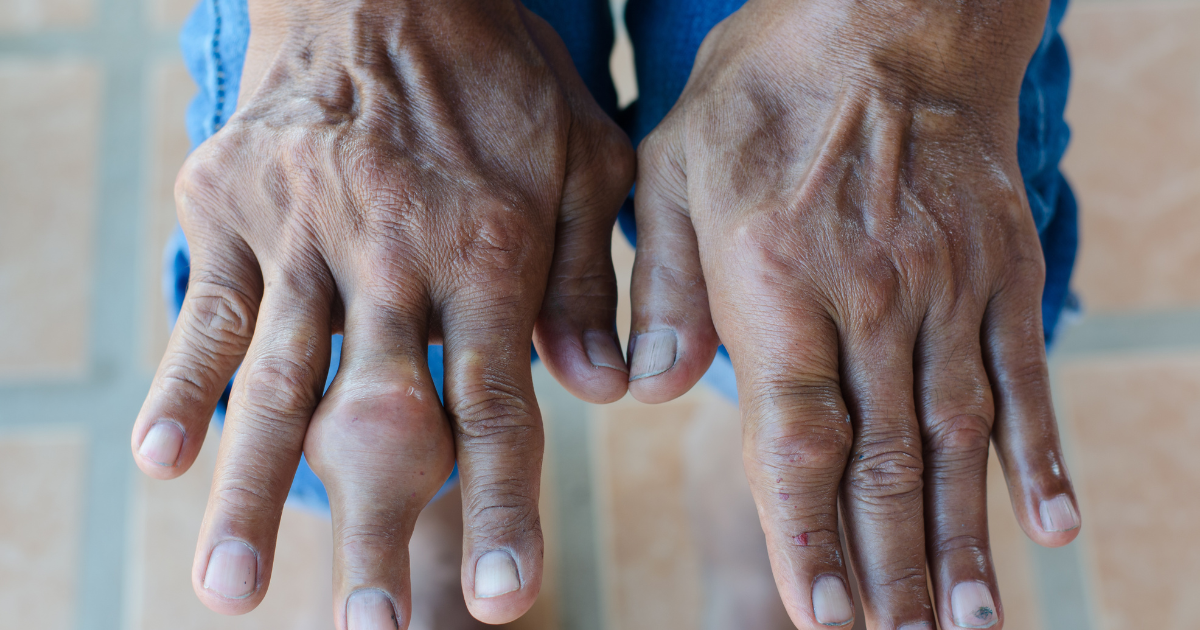
Many vasculitis patients experience pain and swelling in joints, particularly in the knees, ankles, wrists, and elbows. This can make movement difficult.
Nerve Pain
When vasculitis affects the nerves, it may cause burning, numbness, or tingling sensations, especially in the hands and feet.
Muscle Pain
Inflammation in blood vessels supplying muscles may lead to muscle soreness, fatigue, and weakness.
Skin Pain
Some forms of vasculitis cause skin rashes, ulcers, or purplish spots, which can be tender or painful.
Effective Ways to Cope With Chronic Pain in Vasculitis
1. Follow Your Treatment Plan
The most important step in managing pain is treating the underlying inflammation. Doctors may prescribe:
- Corticosteroids
- Immunosuppressive medications
- Biologic therapies in severe cases
These treatments help control disease activity and reduce pain over time.
2. Maintain a Gentle Exercise Routine
Regular physical activity helps keep joints flexible and improves blood circulation.
Helpful activities include:
- Walking
- Stretching exercises
- Yoga
- Swimming
Low-impact exercises are usually recommended to avoid strain on joints.
3. Practice Stress Management
Chronic pain can worsen with stress. Relaxation techniques may help reduce pain intensity.
Examples include:
- Meditation
- Deep breathing exercises
- Mindfulness practices
- Gentle yoga
Managing stress also helps prevent disease flare-ups.
4. Improve Sleep Quality
Pain often disrupts sleep, which can increase fatigue and make symptoms worse.
Tips for better sleep include:
- Maintaining a consistent sleep schedule
- Avoiding caffeine before bedtime
- Using comfortable pillows or mattresses
- Practicing relaxation techniques before sleeping
Good sleep plays a key role in pain recovery.
5. Follow an Anti-Inflammatory Diet
Certain foods may help reduce inflammation and support overall health.
Recommended foods include:
- Fresh fruits and vegetables
- Whole grains
- Nuts and seeds
- Omega-3 rich foods such as fish or flaxseeds
- Turmeric and ginger
Avoid excessive processed foods, sugar, and unhealthy fats, which may increase inflammation.
6. Consider Physical Therapy
A physical therapist can design a custom exercise program to improve mobility, strengthen muscles, and reduce pain.
Physical therapy can also help prevent stiffness and maintain joint function.
7. Seek Emotional Support
Living with chronic pain can be emotionally challenging. Support from family, friends, or patient groups can make a significant difference.
Counselling or support groups may help patients cope with anxiety, stress, and depression associated with chronic illness.
When Should You Talk to Your Doctor?
You should consult your doctor if:
- Pain suddenly worsens
- New symptoms appear
- Pain interferes with daily activities
- Medications are not providing relief
Early medical attention can prevent complications and improve treatment outcomes.
Conclusion
Chronic pain is a common challenge for people living with vasculitis, but it does not have to control your life. By combining proper medical treatment, healthy lifestyle habits, gentle exercise, and emotional support, patients can manage pain more effectively and improve their overall well-being.
Early diagnosis, consistent treatment, and proactive self-care are key to living well with vasculitis.
FAQs
1. Is chronic pain common in vasculitis?
Yes, many patients experience chronic pain due to inflammation affecting joints, nerves, and muscles.
2. Can lifestyle changes help reduce vasculitis pain?
Yes. Regular exercise, a healthy diet, stress management, and good sleep can help reduce pain and improve quality of life.
3. Can vasculitis pain go away completely?
With proper treatment and disease control, many patients experience significant pain relief and periods of remission.