

Joint pain is something most people experience at some point in life. It can happen due to overuse, injury, aging, or even poor posture. But not all joint pain is the same.
Sometimes, what seems like a simple ache could actually be a sign of arthritis, a condition that needs proper diagnosis and treatment.
So, how do you know if your pain is just temporary or something more serious?
Let’s understand how to differentiate between arthritis and normal joint pain.
What is Normal Joint Pain?
Normal joint pain is usually temporary and caused by physical strain or minor injury.
Common causes:
- Over-exercising or heavy physical activity
- Muscle strain
- Minor injury or sprain
- Long hours of sitting or poor posture
Key characteristics:
- Pain improves with rest
- No long-term stiffness
- Minimal or no swelling
- Affects only one joint (in most cases)
This type of pain usually goes away within a few days to weeks.
What is Arthritis?
Arthritis is a chronic condition that causes inflammation in the joints. It can worsen over time if not treated properly.
Common types:
- Osteoarthritis (wear and tear)
- Rheumatoid arthritis (autoimmune condition)
Key characteristics:
- Persistent joint pain
- Swelling and inflammation
- Stiffness, especially in the morning
- Reduced range of motion
Arthritis pain tends to last longer and may gradually worsen.
Key Differences: Arthritis vs Normal Joint Pain
| Feature | Normal Joint Pain | Arthritis |
| Duration | Short-term (few days) | Long-term (weeks/months) |
| Cause | Injury or overuse | Inflammation or degeneration |
| Swelling | Rare | Common |
| Stiffness | Mild, temporary | Severe, especially in morning |
| Number of joints | Usually one | Often multiple joints |
| Progression | Improves with rest | Can worsen over time |
Warning Signs of Arthritis You Should Not Ignore
If you notice these symptoms, it could indicate arthritis:
- Joint pain lasting more than 2–3 weeks
- Morning stiffness lasting more than 30 minutes
- Visible swelling around joints
- Warmth or redness in joints
- Difficulty in movement or daily activities
- Pain even at rest
These signs mean you should consult a doctor early.
When is Joint Pain Normal?
You may be dealing with normal joint pain if
- Pain started after exercise or physical work
- It improves with rest or medication
- No swelling or redness is present
- Movement is not severely restricted
This type of pain usually does not require long-term treatment.
Why Early Diagnosis Matters
Ignoring arthritis symptoms can lead to:
- Permanent joint damage
- Reduced mobility
- Chronic pain
- Need for surgery in severe cases
Early diagnosis helps:
✔ Slow disease progression
✔ Reduce pain effectively
✔ Improve quality of life
How is Arthritis Diagnosed?
Doctors may use:
- Physical examination
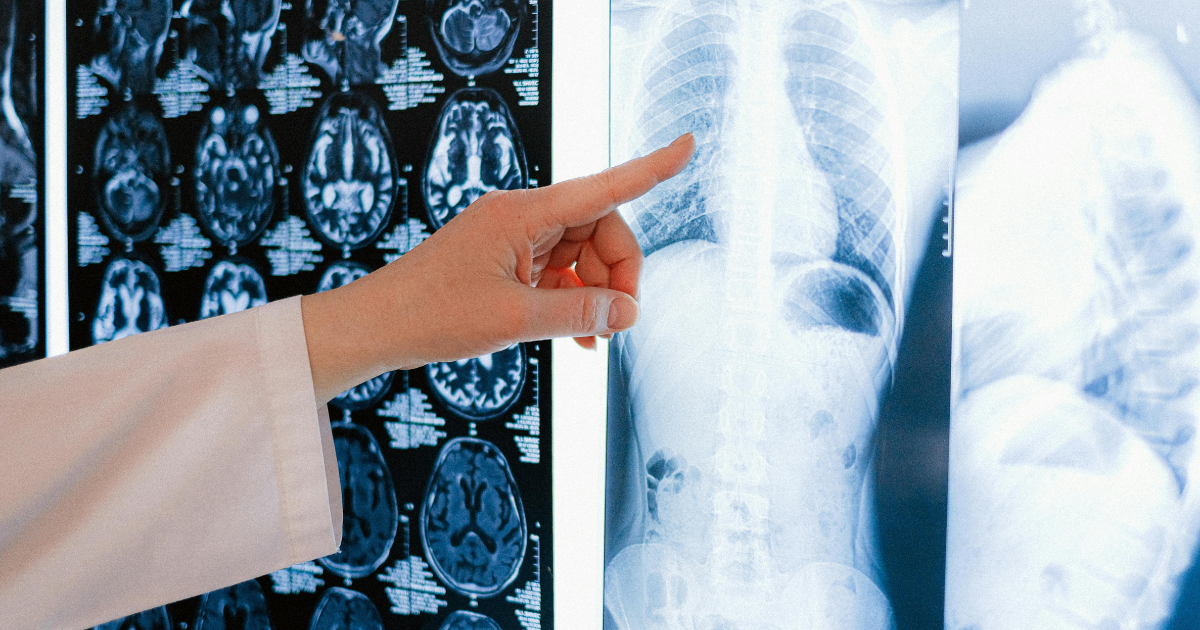
- X-rays or MRI
- Blood tests (for autoimmune arthritis)
Proper diagnosis is important to differentiate arthritis from other causes of joint pain.
Tips to Manage Joint Pain Early
Whether it’s arthritis or normal joint pain, these tips can help:
✔ Stay Active
Regular low-impact exercise like walking or yoga
✔ Maintain Healthy Weight
Reduces stress on joints
✔ Eat Anti-Inflammatory Foods
Fruits, vegetables, omega-3 rich foods
✔ Avoid Overuse
Don’t strain your joints excessively
✔ Use Proper Posture
Especially during work and sitting
When Should You See a Doctor?
Consult a doctor if:
- Pain lasts more than 2–3 weeks
- Swelling or stiffness increases
- Pain affects daily activities
- You experience repeated joint pain
Early consultation can prevent serious complications.
Conclusion
Not all joint pain is arthritis, but it’s important to recognize the difference early.
Normal joint pain is usually temporary and improves with rest, while arthritis is a chronic condition that needs proper medical care.
If your joint pain is persistent, worsening, or associated with swelling and stiffness, don’t ignore it. Early diagnosis and treatment can help you stay active and pain-free for longer.
FAQ Section
1. How do I know if my joint pain is arthritis?
If your pain is persistent, with swelling and stiffness, especially in the morning, it may be arthritis.
2. Can normal joint pain turn into arthritis?
Not always, but repeated injury or wear and tear can increase the risk over time.
3. Is arthritis pain constant?
Arthritis pain may come and go initially but can become chronic over time.
4. Can arthritis be cured?
There is no complete cure, but it can be managed effectively with treatment.
5. Should I ignore mild joint pain?
No. If it lasts more than a few weeks, it’s better to get it checked early.