
Behçet’s disease is a rare and complex inflammatory condition that can affect multiple parts of the body, including the mouth, skin, eyes, joints, blood vessels, digestive system, and nervous system. Because its symptoms often resemble many other diseases, diagnosing Behçet’s disease can be extremely challenging. Many patients spend months or even years visiting different specialists before receiving the correct diagnosis.
Understanding why Behçet’s disease is often misdiagnosed can help patients seek timely medical care and reduce the risk of serious complications.
What Is Behçet’s Disease?
Behçet’s disease is a chronic inflammatory disorder classified as a type of vasculitis, meaning it causes inflammation of blood vessels. The condition is considered autoimmune or autoinflammatory in nature, where the immune system mistakenly attacks healthy tissues.
The disease can affect people of all ages, but it commonly develops between the ages of 20 and 40 years. Symptoms may come and go in episodes known as flare-ups.
Common Symptoms of Behçet’s Disease
One major reason for delayed diagnosis is that symptoms vary greatly from person to person. Some patients may experience only mild mouth ulcers, while others may develop severe eye or neurological complications.
Common symptoms include:
- Recurrent mouth ulcers
- Genital sores
- Eye inflammation
- Skin rashes or acne-like lesions
- Joint pain and swelling
- Fatigue
- Blood vessel inflammation
- Digestive symptoms
- Headaches and neurological problems
Since these symptoms overlap with many other diseases, doctors may initially suspect another condition.
Why Behçet’s Disease Is Frequently Misdiagnosed
Symptoms Mimic Other Diseases
Behçet’s disease is known as a “great imitator” because its symptoms resemble many autoimmune and inflammatory disorders.
It is often confused with:
- Lupus
- Crohn’s disease
- Rheumatoid arthritis
- Herpes infections
- Multiple sclerosis
- Psoriasis
- Reactive arthritis
- Sjögren’s syndrome
For example, recurrent mouth ulcers may be mistaken for simple canker sores, while joint pain may be attributed to arthritis.
There Is No Single Diagnostic Test
Unlike some diseases that can be confirmed through a blood test or scan, Behçet’s disease has no single definitive test.
Diagnosis usually depends on:
- Clinical symptoms
- Medical history
- Physical examination
- Exclusion of other diseases
Doctors often use diagnostic criteria that require multiple symptoms to be present over time. This can delay diagnosis, especially during the early stages of the disease.
Symptoms Appear Gradually
Many patients do not develop all symptoms at once. A person may initially experience only mouth ulcers for years before developing eye inflammation or joint pain.
Because the disease evolves gradually, early signs are frequently overlooked or treated individually rather than linked together as part of a systemic condition.
For example:
- A dermatologist may treat skin lesions
- A dentist may focus on oral ulcers
- An eye specialist may treat uveitis
- A gastroenterologist may investigate bowel symptoms
Without coordination among specialists, the underlying diagnosis may remain hidden.
Behçet’s Disease Is Rare
Rare diseases are naturally harder to recognize. In many regions, doctors may encounter very few cases during their careers.
Because Behçet’s disease is uncommon, physicians may first consider more common conditions with similar symptoms. This contributes significantly to misdiagnosis and delayed treatment.
Awareness among both patients and healthcare professionals remains limited, especially in areas where the disease is less prevalent.
Mouth Ulcers Are Often Ignored
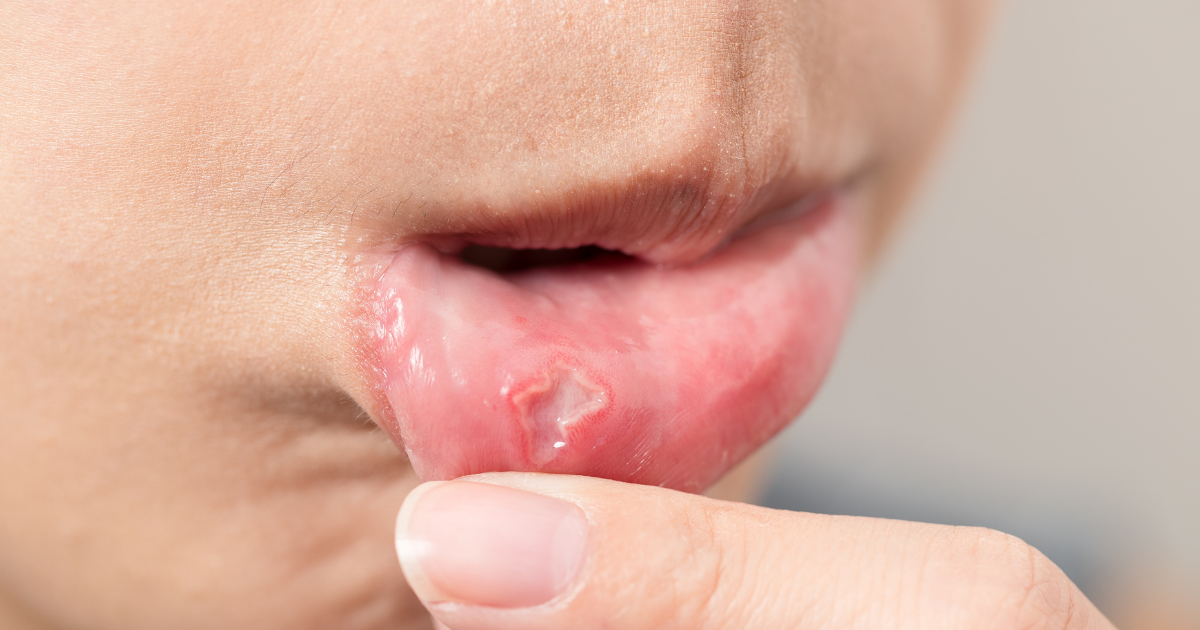
Recurring mouth ulcers are one of the earliest and most common symptoms of Behçet’s disease. However, mouth ulcers are also extremely common in the general population.
As a result, patients may ignore them or self-medicate without realizing they could be part of a larger autoimmune disorder.
Warning signs that mouth ulcers may indicate Behçet’s disease include:
- Frequent recurrence
- Multiple painful ulcers
- Associated genital sores
- Eye symptoms
- Joint pain
- Skin lesions
Eye Symptoms Can Lead to Confusion
Eye inflammation in Behçet’s disease can resemble other eye disorders. Some patients are initially diagnosed with common infections or unrelated inflammatory eye diseases.
However, untreated eye involvement can become serious and may even lead to vision loss.
Symptoms that require urgent medical attention include:
- Blurred vision
- Eye redness
- Eye pain
- Sensitivity to light
- Floaters
Early diagnosis and treatment are critical for protecting vision.
Behçet’s Disease Can Affect Multiple Organs

Behçet’s disease can involve many body systems, making diagnosis more complicated. Patients may see multiple specialists for different symptoms without realizing they are connected.
In severe cases, the disease may affect:
- Blood vessels
- Brain and nervous system
- Intestines
- Heart and lungs
Because these complications can resemble other diseases, patients may receive incorrect diagnoses for years.
Emotional Impact of Misdiagnosis
Delayed diagnosis can be emotionally exhausting. Many patients struggle with:
- Chronic pain
- Anxiety
- Frustration
- Uncertainty
- Reduced quality of life
Some individuals may even feel their symptoms are not being taken seriously because standard test results often appear normal.
Receiving the correct diagnosis can help patients better understand their condition and begin appropriate treatment.
How Doctors Diagnose Behçet’s Disease
Doctors usually diagnose Behçet’s disease based on a combination of symptoms and clinical criteria.
A diagnosis may involve:
- Medical history review
- Physical examination
- Eye examination
- Blood tests to exclude other diseases
- Imaging studies if neurological symptoms are present
- Pathergy test in some cases
The pathergy test checks whether the skin shows an exaggerated inflammatory response after a minor needle prick.
Importance of Early Diagnosis
Early diagnosis is essential because untreated Behçet’s disease can lead to serious complications, including:
- Vision loss
- Blood clots
- Neurological damage
- Organ involvement
- Reduced mobility
Timely treatment can help control inflammation, reduce flare-ups, and prevent long-term complications.
Treatment Options for Behçet’s Disease
Treatment depends on which organs are affected and how severe the symptoms are.
Common treatments include:
- Corticosteroids
- Immunosuppressive medications
- Biologic therapies
- Anti-inflammatory medicines
- Eye medications
- Lifestyle modifications
Regular follow-up with a rheumatologist and other specialists is often necessary.
When Should You See a Doctor?
You should consult a healthcare professional if you experience:
- Recurrent mouth ulcers
- Genital sores
- Persistent eye redness or blurred vision
- Unexplained joint pain
- Skin lesions with other systemic symptoms
Seeking medical attention early may help reduce delays in diagnosis.
Final Thoughts
Behçet’s disease is often misdiagnosed because its symptoms mimic many other conditions, appear gradually, and vary widely between patients. The absence of a single diagnostic test further complicates identification.
Greater awareness of Behçet’s disease among both patients and healthcare providers is essential for improving early diagnosis and preventing serious complications. If you experience recurring ulcers, unexplained inflammation, or symptoms affecting multiple body systems, it is important to seek evaluation from a qualified specialist.
Early recognition and proper treatment can significantly improve quality of life and long-term health outcomes.
FAQs
Is Behçet’s disease difficult to diagnose?
Yes, Behçet’s disease is difficult to diagnose because its symptoms resemble many other autoimmune and inflammatory conditions.
Can Behçet’s disease be mistaken for lupus?
Yes, Behçet’s disease can sometimes be confused with lupus because both conditions may cause joint pain, skin symptoms, and fatigue.
What is the first symptom of Behçet’s disease?
Recurrent mouth ulcers are often the earliest symptom of Behçet’s disease.
Can Behçet’s disease affect the eyes?
Yes, Behçet’s disease can cause serious eye inflammation that may lead to vision problems if untreated.
Which doctor treats Behçet’s disease?
A rheumatologist usually coordinates treatment, but patients may also need care from dermatologists, ophthalmologists, and neurologists.