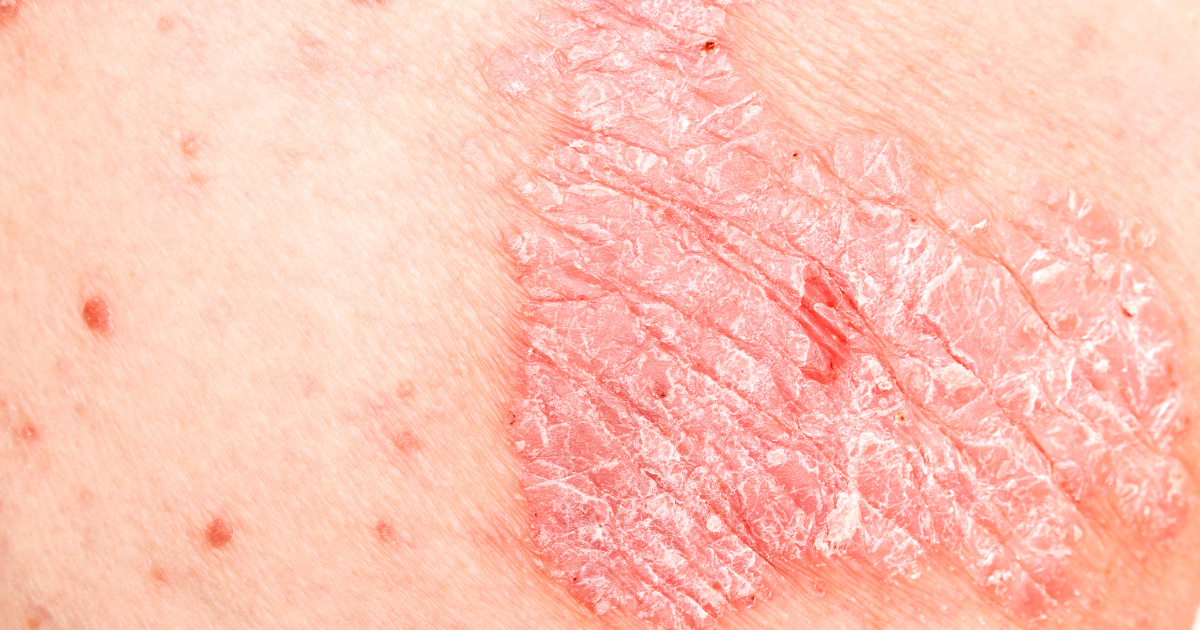


Living with lupus can be challenging because symptoms such as fatigue, joint pain, stiffness, and flare-ups can affect daily life. Lupus, especially Systemic Lupus Erythematosus (SLE), is a chronic autoimmune disease that requires long-term management. While medications play a crucial role in controlling the disease, following a healthy daily routine can help reduce symptoms, prevent flares, and improve overall quality of life.
If you have lupus, creating a structured daily routine can help you conserve energy, manage stress, and maintain better physical and emotional health. In this guide, we’ll discuss the best daily routine for lupus patients and practical tips to stay healthy and active.
Why Is a Daily Routine Important for Lupus Patients?
Lupus symptoms can vary from day to day. One of the biggest challenges patients face is unpredictable fatigue and flare-ups. A consistent routine helps:
- Manage fatigue more effectively
- Reduce stress levels
- Improve sleep quality
- Support immune system health
- Reduce the risk of lupus flares
- Improve physical and mental well-being
Small daily habits can make a significant difference in how you feel over time.
Morning Routine for Lupus Patients
Start Your Day Slowly
Many lupus patients experience morning stiffness and fatigue. Instead of jumping out of bed immediately, take a few minutes to stretch gently.
Simple stretches can:
- Improve joint mobility
- Reduce stiffness
- Increase blood circulation
- Prepare your body for the day
Listen to your body and avoid rushing.
Stay Hydrated
Drinking water first thing in the morning helps rehydrate your body after sleep and supports overall health.
Benefits include:
- Better energy levels
- Improved digestion
- Reduced headaches
- Support for kidney function
Aim to drink a glass of water shortly after waking up.
Eat a Nutritious Breakfast
A healthy breakfast provides the energy needed to start the day.
Good breakfast options include:
- Oatmeal with fruits
- Eggs and whole-grain toast
- Yogurt with nuts and seeds
- Smoothies with fruits and vegetables
Try to avoid highly processed foods and sugary breakfast items.
Take Medications as Prescribed
If your doctor has prescribed medications such as hydroxychloroquine or other lupus treatments, take them exactly as directed.
Consistency helps:
- Control disease activity
- Prevent flares
- Improve long-term outcomes
Never stop medications without consulting your rheumatologist.
Mid-Morning: Balance Activity and Energy
Plan Important Tasks Early
Many people with lupus have more energy during the morning.
Use this time for:
- Work tasks
- Household activities
- Appointments
- Exercise
Prioritizing important activities early can help prevent exhaustion later in the day.
Protect Yourself from Sun Exposure
Sunlight is a common lupus trigger.
Before going outside:
- Apply broad-spectrum sunscreen (SPF 30 or higher)
- Wear sunglasses
- Use a wide-brimmed hat
- Choose protective clothing
Even short periods of sun exposure can trigger symptoms in some patients.
Afternoon Routine
Eat a Balanced Lunch
A nutritious lunch helps maintain stable energy levels.
Include:
- Lean proteins
- Vegetables
- Whole grains
- Healthy fats
Examples:
- Grilled chicken salad
- Lentils and vegetables
- Brown rice with fish
Avoid excessive salt, especially if you have kidney involvement or high blood pressure.
Take Short Rest Breaks
Fatigue is one of the most common lupus symptoms.
Instead of pushing through exhaustion:
- Take short breaks
- Rest when needed
- Avoid overexertion
Pacing yourself throughout the day helps conserve energy.
Stay Physically Active
Regular physical activity is beneficial for lupus patients.
Recommended exercises include:
- Walking
- Yoga
- Stretching
- Swimming
- Low-impact aerobics
Exercise can help:
- Reduce stiffness
- Improve mood
- Strengthen muscles
- Support heart health
However, avoid intense exercise during active flares.
Evening Routine
Eat a Healthy Dinner
Dinner should be balanced and easy to digest.
Focus on:
- Vegetables
- Lean protein
- Whole grains
- Anti-inflammatory foods
Foods rich in omega-3 fatty acids, such as salmon, walnuts, and flaxseeds, may help support overall health.
Manage Stress
Stress can trigger lupus flares and worsen symptoms.
Effective stress-management techniques include:
- Meditation
- Deep breathing exercises
- Prayer or mindfulness
- Reading
- Listening to calming music
Even 10–15 minutes of relaxation daily can be beneficial.
Review Your Symptoms
Keeping a lupus journal can help track:
- Fatigue levels
- Joint pain
- Skin symptoms
- Medications
- Possible flare triggers
Tracking symptoms can help you and your doctor identify patterns and make treatment adjustments if needed.
Night Routine for Better Sleep
Create a Consistent Sleep Schedule
Sleep is essential for lupus management.
Aim for:
- 7–9 hours of sleep each night
- Going to bed at the same time daily
- Waking up at a consistent time
A regular sleep routine helps reduce fatigue and supports immune health.
Limit Screen Time Before Bed
Phones, tablets, and computers can interfere with sleep quality.
Try to:
- Avoid screens 1 hour before bedtime
- Use dim lighting
- Create a relaxing bedtime environment
Good sleep hygiene can improve energy levels the next day.
Additional Daily Tips for Lupus Patients
Eat an Anti-Inflammatory Diet
Choose foods rich in antioxidants and healthy fats.
Avoid Smoking
Smoking can worsen lupus symptoms and increase cardiovascular risk.
Limit Alcohol
Alcohol may interact with lupus medications.
Attend Regular Medical Check-Ups
Routine monitoring helps detect complications early and keeps treatment on track.
Stay Up-to-Date With Vaccinations
Preventing infections is important because infections can trigger lupus flares.
Common Mistakes Lupus Patients Should Avoid
- Skipping medications
- Ignoring fatigue
- Excessive sun exposure
- Poor sleep habits
- High-stress lifestyles
- Overexercising during flares
- Missing follow-up appointments
Avoiding these mistakes can significantly improve disease control.
Final Thoughts
There is no one-size-fits-all routine for lupus patients, but developing healthy daily habits can make symptom management much easier. The best daily routine includes balanced nutrition, regular physical activity, sun protection, stress management, adequate rest, and adherence to medical treatment.
By following a structured routine and working closely with your rheumatologist, you can reduce flare-ups, improve energy levels, and enjoy a better quality of life despite living with lupus.
FAQ
What is the best exercise for lupus patients?
Low-impact exercises such as walking, yoga, swimming, and stretching are generally safe and beneficial.
How many hours should lupus patients sleep?
Most lupus patients should aim for 7–9 hours of quality sleep each night.
Can stress trigger lupus flares?
Yes, emotional and physical stress can increase the risk of lupus flare-ups.
Should lupus patients avoid sunlight completely?
Lupus patients should limit UV exposure and use sunscreen, but complete avoidance may not always be necessary.
Does diet affect lupus symptoms?
A healthy, anti-inflammatory diet can help support overall health and may reduce symptom severity.