
Juvenile Arthritis (JA), also known as Juvenile Idiopathic Arthritis (JIA), is one of the most common chronic autoimmune diseases affecting children. Many parents assume that arthritis only affects older adults, but children can develop arthritis too. The challenge is that the early symptoms are often subtle and can easily be mistaken for growing pains, sports injuries, or temporary discomfort.
Recognizing the early signs of juvenile arthritis is crucial because early diagnosis and treatment can help prevent joint damage, improve quality of life, and allow children to continue their normal activities. In this blog, we will discuss the warning signs of juvenile arthritis, when to seek medical attention, and how the condition is diagnosed and treated.
What Is Juvenile Arthritis?
Juvenile Arthritis refers to a group of inflammatory joint conditions that develop in children under the age of 16. The most common type is Juvenile Idiopathic Arthritis (JIA), where the body’s immune system mistakenly attacks healthy joints, causing inflammation, pain, and stiffness.
The exact cause of juvenile arthritis is not fully understood, but a combination of genetic and environmental factors may play a role.
Why Early Detection Matters
Many parents delay seeking medical care because the symptoms may come and go. However, untreated inflammation can lead to:
- Permanent joint damage
- Growth problems
- Eye complications
- Reduced mobility
- Chronic pain
- Emotional and social challenges
Early diagnosis and treatment can significantly improve outcomes and help children lead active, healthy lives.
Early Signs of Juvenile Arthritis Every Parent Should Watch For
1. Persistent Joint Pain
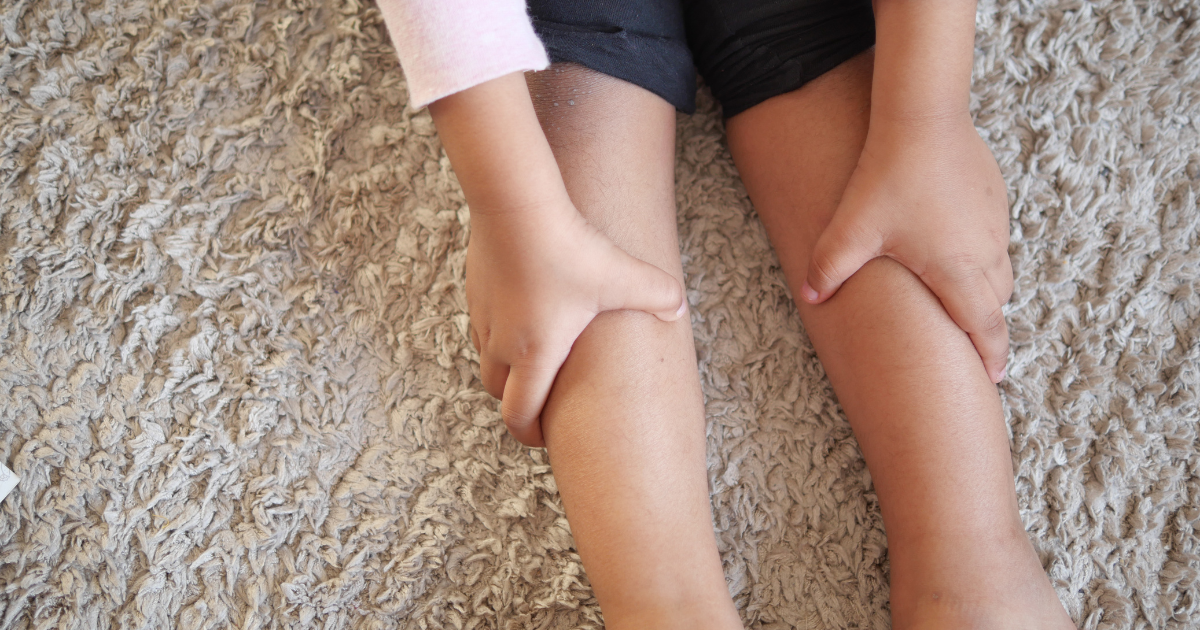
One of the earliest and most noticeable symptoms is ongoing joint pain. Your child may complain about pain in the:
- Knees
- Ankles
- Wrists
- Fingers
- Elbows
Unlike pain caused by an injury, arthritis-related pain may continue for weeks or months and often occurs without a clear cause.
Parents should pay attention if the pain repeatedly affects the same joint or interferes with daily activities.
2. Morning Stiffness
Children with juvenile arthritis often experience stiffness after waking up in the morning.
Common signs include:
- Difficulty getting out of bed
- Walking awkwardly after waking up
- Trouble gripping objects
- Moving more slowly in the morning
The stiffness may improve as the child becomes active throughout the day, which is a key characteristic of inflammatory arthritis.
3. Swollen Joints
Joint swelling is another important warning sign.
Parents may notice:
- Puffy or enlarged joints
- Warmth around the joint
- Reduced flexibility
- One knee appearing larger than the other
Sometimes swelling occurs without significant pain, making it easy to overlook.
4. Limping or Changes in Walking
A child with juvenile arthritis may begin limping, especially in the morning or after sitting for long periods.
Signs include:
- Favoring one leg
- Avoiding physical activities
- Walking differently than usual
- Complaining of discomfort while running or climbing stairs
Persistent limping should always be evaluated by a healthcare professional.
5. Fatigue and Low Energy
Inflammation affects the entire body, not just the joints.
Children with juvenile arthritis may:
- Feel tired frequently
- Sleep more than usual
- Lack interest in playtime
- Have difficulty concentrating at school
Parents often mistake fatigue for laziness or lack of sleep, but chronic tiredness can be an important symptom of autoimmune disease.
6. Fever Without an Obvious Cause
Some forms of juvenile arthritis can cause recurring fevers.
These fevers may:
- Come and go
- Occur at the same time each day
- Be accompanied by fatigue
- Occur without signs of infection
If your child experiences unexplained fevers along with joint symptoms, medical evaluation is recommended.
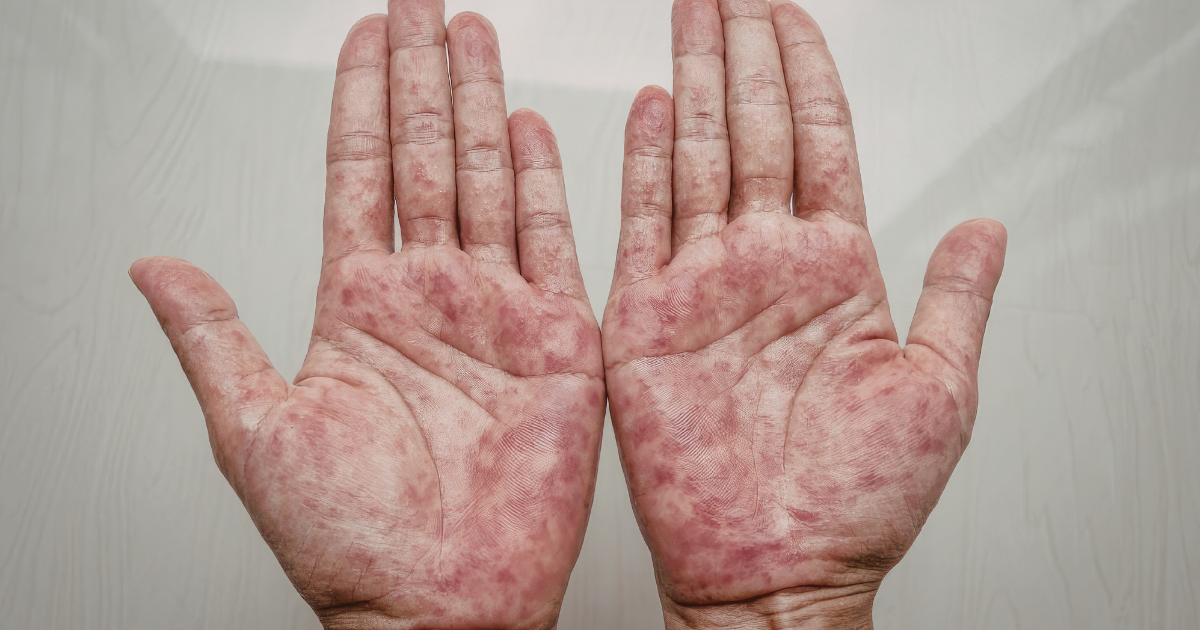
7. Skin Rash
Certain types of juvenile arthritis can cause a rash.
The rash may:
- Appear and disappear quickly
- Be light pink or salmon-colored
- Develop during fever episodes
- Spread across the trunk, arms, or legs
Although not all children develop a rash, its presence can be an important clue.
8. Difficulty Using Hands
Inflammation in the small joints of the hands may cause problems with everyday tasks.
You may notice your child:
- Struggling to hold a pencil
- Having difficulty buttoning clothes
- Dropping objects frequently
- Complaining about finger stiffness
These symptoms may be subtle initially but can become more noticeable over time.
9. Reduced Participation in Activities
Children naturally enjoy playing, running, and exploring. If your child suddenly becomes less active, it may be a sign of underlying joint discomfort.
Watch for:
- Avoiding sports
- Refusing outdoor games
- Sitting out during physical education classes
- Complaining of pain after activity
Behavioral changes are sometimes the first indication that something is wrong.
10. Eye Problems
Many parents are surprised to learn that juvenile arthritis can affect the eyes.
Symptoms may include:
- Red eyes
- Blurred vision
- Light sensitivity
- Eye pain
In some cases, eye inflammation called uveitis develops without obvious symptoms. Regular eye examinations are essential for children diagnosed with juvenile arthritis.
11. Growth Problems
Long-term inflammation can affect normal growth and development.
Potential signs include:
- Uneven limb growth
- Slower growth than peers
- Delayed physical development
This is another reason why early treatment is important.
Juvenile Arthritis vs Growing Pains
Many parents wonder whether their child has growing pains or juvenile arthritis.
Growing Pains
- Usually occur in the evening or at night
- Affect both legs
- No swelling
- No morning stiffness
- Child feels normal during the day
Juvenile Arthritis
- Pain may occur at any time
- Often affects specific joints
- Joint swelling may be present
- Morning stiffness is common
- Symptoms may persist for weeks or months
If symptoms continue or worsen, a rheumatology evaluation is recommended.
When Should Parents See a Doctor?
Consult a doctor if your child has:
- Joint pain lasting more than a few weeks
- Persistent swelling in any joint
- Morning stiffness
- Recurrent unexplained fevers
- Limping without injury
- Fatigue that interferes with daily activities
- Eye symptoms associated with joint complaints
Early assessment can help identify the cause and start treatment promptly.
How Juvenile Arthritis Is Diagnosed
There is no single test that confirms juvenile arthritis. Diagnosis usually involves:
Medical History
The doctor will ask about:
- Symptoms
- Duration of pain
- Family history
- Activity limitations
Physical Examination
The joints will be examined for:
- Swelling
- Tenderness
- Warmth
- Range of motion
Blood Tests
These may include:
- ESR (Erythrocyte Sedimentation Rate)
- CRP (C-Reactive Protein)
- ANA (Antinuclear Antibody)
- Rheumatoid Factor (RF)
Imaging Studies
Doctors may use:
- X-rays
- Ultrasound
- MRI scans
These tests help evaluate inflammation and joint damage.
Treatment Options for Juvenile Arthritis
Treatment depends on the type and severity of the disease.
Common options include:
Medications
- Nonsteroidal anti-inflammatory drugs (NSAIDs)
- Disease-modifying antirheumatic drugs (DMARDs)
- Biologic therapies
- Corticosteroids in selected cases
Physical Therapy
Exercise and stretching help:
- Improve flexibility
- Maintain joint function
- Reduce stiffness
Regular Monitoring
Children require ongoing follow-up to monitor:
- Disease activity
- Growth
- Eye health
- Treatment effectiveness
Tips for Parents Managing Juvenile Arthritis
If your child has juvenile arthritis:
- Encourage regular physical activity
- Maintain a healthy diet
- Ensure adequate sleep
- Follow medication schedules carefully
- Keep regular rheumatology appointments
- Monitor symptoms and flare-ups
- Support your child’s emotional well-being
A strong support system can make a significant difference in managing the condition.
Conclusion
Recognizing the early signs of juvenile arthritis can help parents seek medical care before complications develop. Symptoms such as persistent joint pain, swelling, morning stiffness, limping, fatigue, and unexplained fevers should never be ignored.
While juvenile arthritis is a chronic condition, modern treatments have greatly improved outcomes. With early diagnosis, proper treatment, and regular follow-up, most children with juvenile arthritis can enjoy active, healthy, and fulfilling lives.
If you notice any warning signs in your child, consult a rheumatologist for a thorough evaluation and personalized treatment plan.
Frequently Asked Questions (FAQs)
Can a child get arthritis at a young age?
Yes. Juvenile arthritis can affect children under the age of 16 and is one of the most common chronic autoimmune diseases in childhood.
What is usually the first sign of juvenile arthritis?
Persistent joint pain, swelling, and morning stiffness are among the most common early symptoms.
Is juvenile arthritis curable?
There is currently no permanent cure, but early treatment can effectively control symptoms and help many children achieve remission.
Does juvenile arthritis affect only the joints?
No. It can also affect the eyes, growth, energy levels, and overall well-being.
When should I worry about my child’s joint pain?
If joint pain lasts for several weeks, is associated with swelling or stiffness, or affects daily activities, medical evaluation is recommended.
Can children with juvenile arthritis play sports?
Yes. Most children can participate in sports and physical activities with proper treatment and guidance from their healthcare team.