

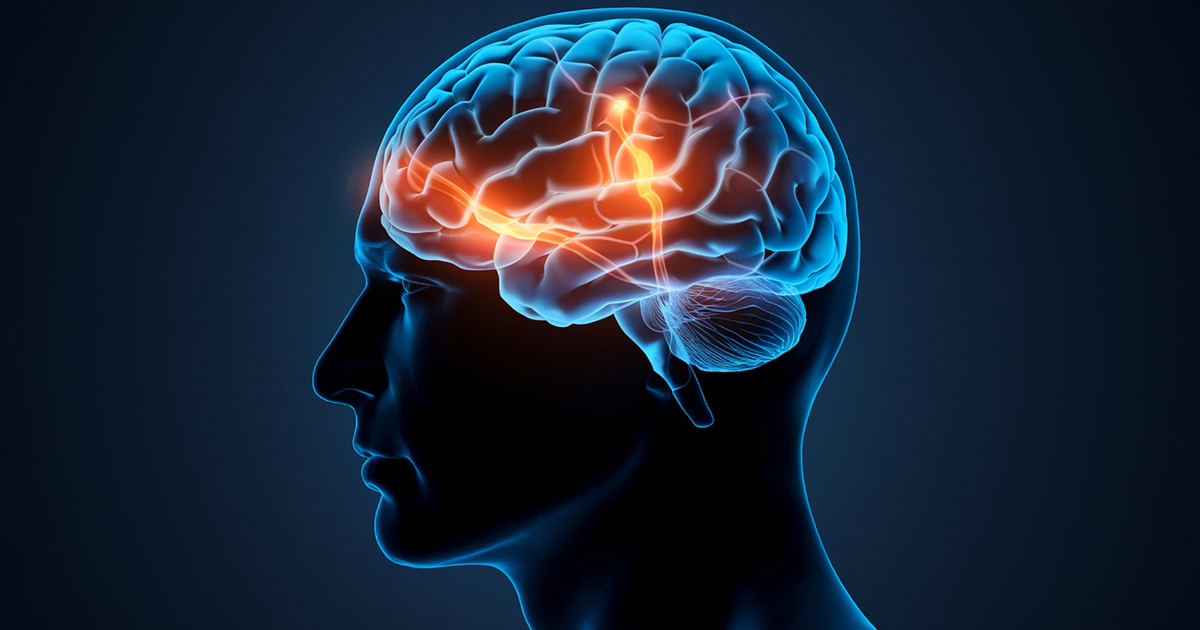
Many people know Sjögren’s Disease as an autoimmune condition that causes dry eyes and dry mouth. However, what many patients don’t realize is that Sjögren’s can also affect the brain and nervous system. Although neurological complications are less common than dryness symptoms, they can significantly impact daily life and should never be ignored.
Symptoms such as brain fog, memory problems, headaches, dizziness, numbness, or difficulty concentrating may sometimes be related to Sjögren’s Disease rather than simply aging or stress.
In this blog, we’ll explain how Sjögren’s can affect the brain, the warning signs to watch for, and when you should seek medical care.
What Is Sjögren’s Disease?
Sjögren’s Disease is a chronic systemic autoimmune disease in which the immune system mistakenly attacks the body’s own tissues, especially the moisture-producing glands.
The most common symptoms include:
- Dry eyes
- Dry mouth
- Fatigue
- Joint pain
However, because Sjögren’s is a systemic disease, it can also affect:
- Lungs
- Kidneys
- Skin
- Blood vessels
- Peripheral nerves
- Brain and central nervous system (in some patients)
Can Sjögren’s Disease Affect the Brain?
Yes—but not everyone with Sjögren’s experiences brain involvement.
In some people, the autoimmune inflammation may affect the nervous system, leading to neurological symptoms. These symptoms may result from inflammation, immune-related nerve damage, or reduced blood flow affecting parts of the nervous system.
It’s important to note that many neurological symptoms are not caused by direct brain damage, but by the way the disease affects the nervous system and overall body function.
Early Warning Signs You Should Never Ignore
1. Brain Fog
One of the most commonly reported symptoms is brain fog.
Patients may experience:
- Difficulty concentrating
- Forgetfulness
- Slower thinking
- Trouble finding words
- Mental fatigue
Brain fog can interfere with work, studies, and daily activities.
2. Persistent Headaches
Some people with Sjögren’s experience frequent headaches or migraines.
Although headaches have many possible causes, recurring headaches combined with other Sjögren’s symptoms should be evaluated by a doctor.
3. Memory Problems
Many patients notice:
- Forgetting appointments
- Difficulty remembering conversations
- Poor short-term memory
These symptoms may develop gradually and are sometimes mistaken for normal aging.
4. Dizziness or Balance Problems
Inflammation affecting the nervous system may contribute to:
- Feeling dizzy
- Loss of balance
- Unsteadiness while walking
Persistent dizziness should always be assessed medically.
5. Numbness and Tingling
Sjögren’s commonly affects the peripheral nerves, causing:
- Tingling in hands or feet
- Numbness
- Burning sensations
- Reduced sensation
This condition is called peripheral neuropathy.
6. Muscle Weakness
Some patients develop:
- Weakness in the arms or legs
- Difficulty climbing stairs
- Trouble lifting objects
Muscle weakness should never be ignored, especially if it develops suddenly.
7. Mood Changes
Living with a chronic autoimmune disease may also contribute to:
- Anxiety
- Depression
- Irritability
- Emotional stress
These symptoms deserve attention and appropriate support.
Why Does Sjögren’s Affect the Nervous System?
Researchers believe several factors may contribute:
Chronic Inflammation
Persistent inflammation may affect nerves and brain function.
Autoimmune Activity
The immune system may mistakenly attack nerve tissues.
Blood Vessel Inflammation
Inflammation of blood vessels can reduce blood supply to nerves.
Fatigue and Poor Sleep
Chronic fatigue and sleep disturbances may worsen concentration and memory.
Is Brain Fog the Same as Dementia?
No.
Brain fog caused by Sjögren’s is not the same as dementia.
Brain fog usually causes:
- Temporary forgetfulness
- Difficulty concentrating
- Mental fatigue
Dementia involves progressive loss of memory and cognitive function.
However, persistent cognitive symptoms should always be evaluated by a healthcare professional.
Who Is More Likely to Develop Neurological Symptoms?
The risk may be higher in people who have:
- Long-standing Sjögren’s Disease
- High autoimmune activity
- Other autoimmune diseases
- Significant fatigue
- Peripheral neuropathy
Not every patient develops neurological complications.
How Is Brain Involvement Diagnosed?
Doctors may recommend:
Medical History
Discussing symptoms and their duration.
Neurological Examination
Testing strength, sensation, coordination, and reflexes.
Blood Tests
Checking autoimmune antibodies and inflammation.
MRI Scan
Sometimes used to evaluate neurological symptoms and rule out other conditions.
Nerve Conduction Studies
Helpful when peripheral neuropathy is suspected.
Can Neurological Symptoms Be Treated?
Yes. Treatment depends on the underlying cause.
Your doctor may recommend:
- Medications to control autoimmune inflammation
- Pain medications for nerve pain
- Physical therapy
- Lifestyle modifications
- Management of fatigue and sleep problems
Early treatment often helps improve symptoms and prevents further complications.
Tips to Protect Brain Health With Sjögren’s
Stay Physically Active
Regular exercise supports circulation and brain health.
Get Quality Sleep
Poor sleep can worsen fatigue and brain fog.
Eat an Anti-Inflammatory Diet
Include:
- Fruits
- Vegetables
- Whole grains
- Omega-3 fatty acids
Stay Mentally Active
Reading, puzzles, and learning new skills may support cognitive function.
Manage Stress
Meditation, yoga, and relaxation techniques may improve overall well-being.
When Should You See a Rheumatologist?
Consult a rheumatologist if you experience:
- Persistent brain fog
- Memory problems
- Numbness or tingling
- Unexplained weakness
- Frequent headaches
- New neurological symptoms
Since Sjögren’s Disease is a systemic autoimmune disease, a rheumatologist is the best specialist to evaluate autoimmune activity, coordinate investigations, and work with neurologists if needed.
Conclusion
Although Sjögren’s Disease is best known for causing dry eyes and dry mouth, it can also affect the brain and nervous system in some patients. Symptoms such as brain fog, headaches, memory problems, dizziness, numbness, and muscle weakness should never be ignored.
Early recognition, timely diagnosis, and appropriate treatment can help manage neurological symptoms and improve quality of life. If you notice persistent or worsening symptoms, consult a rheumatologist for a comprehensive evaluation.
Frequently Asked Questions (FAQs)
1. Can Sjögren’s Disease affect the brain?
Yes. In some patients, Sjögren’s Disease can affect the brain or nervous system, leading to symptoms such as brain fog, headaches, memory problems, or dizziness.
2. What is brain fog in Sjögren’s Disease?
Brain fog refers to difficulty concentrating, forgetfulness, slow thinking, and mental fatigue that many people with Sjögren’s experience.
3. Is brain involvement in Sjögren’s common?
Neurological involvement is less common than dry eyes and dry mouth, but it can occur and should be evaluated promptly.
4. Can Sjögren’s cause numbness and tingling?
Yes. Sjögren’s can affect the peripheral nerves, causing numbness, tingling, burning sensations, or weakness in the hands and feet.
5. Which doctor should I consult for neurological symptoms in Sjögren’s?
A rheumatologist is the primary specialist for Sjögren’s Disease. Depending on your symptoms, they may also refer you to a neurologist for further evaluation.