
Skin ulcers are open wounds that may take a long time to heal. They can develop because of injuries, infections, diabetes, or problems with blood circulation. However, when a skin ulcer does not heal, repeatedly reopens, or becomes increasingly painful, an underlying medical condition may be responsible.
One possible cause is vasculitis, a condition characterized by inflammation of blood vessels. When blood vessels supplying the skin become inflamed, blood flow and oxygen delivery to the affected tissues may be disrupted. In some cases, this can lead to painful skin ulcers that heal slowly or become difficult to manage.
But does every non-healing skin ulcer indicate vasculitis? What do vasculitis-related skin ulcers look like, and how are they treated?
This blog explains the connection between vasculitis and non-healing skin ulcers, their warning signs, diagnosis, and treatment options.
What Is Vasculitis?
Vasculitis is a group of conditions in which blood vessels become inflamed. This inflammation can affect small, medium-sized, or large blood vessels, depending on the type of vasculitis.
Inflammation may damage blood vessel walls, narrow the vessels, or interfere with normal blood flow. As a result, affected tissues may not receive enough oxygen and nutrients to function properly.
Vasculitis can affect different parts of the body, including:
- Skin
- Kidneys
- Lungs
- Nerves
- Eyes
- Joints
- Digestive system
Some types of vasculitis primarily affect the skin, while others may involve multiple organs.
When blood vessels supplying the skin are affected, patients may develop red or purple spots, skin discoloration, painful nodules, blisters, or open ulcers.
Can Vasculitis Cause Skin Ulcers That Do Not Heal?
Yes, certain types of vasculitis can cause skin ulcers that heal slowly or fail to heal properly.
The skin requires a continuous supply of oxygen and nutrients through healthy blood vessels to repair damaged tissue. When vasculitis causes significant inflammation or interferes with blood circulation, the skin’s natural healing process may be disrupted.
As a result, some patients develop ulcers that remain open, become painful, or take longer than expected to heal.
Common features of vasculitis-related skin ulcers may include:
- Open sores that heal slowly
- Pain or tenderness around the affected area
- Red or purple discoloration of the skin
- Swelling around the ulcer
- Darkening of the surrounding skin
- Recurrent ulcers in the same area
- New skin lesions appearing near existing ulcers
These symptoms do not automatically mean that a person has vasculitis. Diabetes, venous disease, arterial circulation problems, infections, and other inflammatory skin conditions can also cause non-healing ulcers.
A proper medical evaluation is essential to identify the underlying cause.
Why Does Vasculitis Cause Skin Ulcers?
Several mechanisms may contribute to skin ulcer development in people with vasculitis.
1. Inflammation of Blood Vessels
Vasculitis causes inflammation in the walls of affected blood vessels. When the vessels supplying the skin become inflamed, their normal function may be disrupted.
In some cases, inflammation can narrow or damage the vessels, reducing the delivery of oxygen and nutrients to the surrounding tissue.
Without an adequate blood supply, damaged skin may take longer to repair itself, increasing the risk of ulcer formation.
2. Reduced Blood Flow to the Skin
Severe inflammation may interfere with circulation in affected blood vessels. When skin tissues receive insufficient oxygen, they may become damaged.
If the blood supply is significantly compromised, ulcers may develop and, in severe cases, tissue death can occur.
Skin that suddenly becomes dark, black, unusually painful, or cold requires urgent medical assessment because these changes may indicate serious tissue damage or impaired circulation.
3. Damage to Small Blood Vessels
Some forms of vasculitis primarily affect small blood vessels in the skin.
This may cause a condition called purpura, which appears as red or purple spots that generally do not fade when pressed.
In some patients, more severe inflammation can cause blisters, skin breakdown, or ulcers.
4. Ongoing Disease Activity
When vasculitis remains active, inflammation may continue to damage blood vessels and surrounding tissues.
This can contribute to new skin lesions or delay the healing of existing ulcers.
However, a non-healing ulcer alone does not prove that vasculitis is active. Infection, poor circulation, medication effects, and other medical conditions may also interfere with healing.
5. Secondary Infection
An open ulcer can become infected, particularly if the skin barrier remains damaged.
Infection may cause increasing pain, redness, warmth, swelling, discharge, or fever. It can further delay healing and may require specific treatment.
People receiving medicines that suppress the immune system may need additional monitoring because infections can sometimes develop or progress without obvious early symptoms.
What Do Vasculitis-Related Skin Ulcers Look Like?
The appearance of a vasculitis-related skin ulcer varies according to the type of vasculitis, the blood vessels involved, and the severity of tissue damage.
Red or Purple Spots
Small red or purple spots may appear on the skin, particularly on the lower legs. These may represent purpura caused by bleeding from inflamed small blood vessels.
Not all purpura is caused by vasculitis, so examination is necessary.
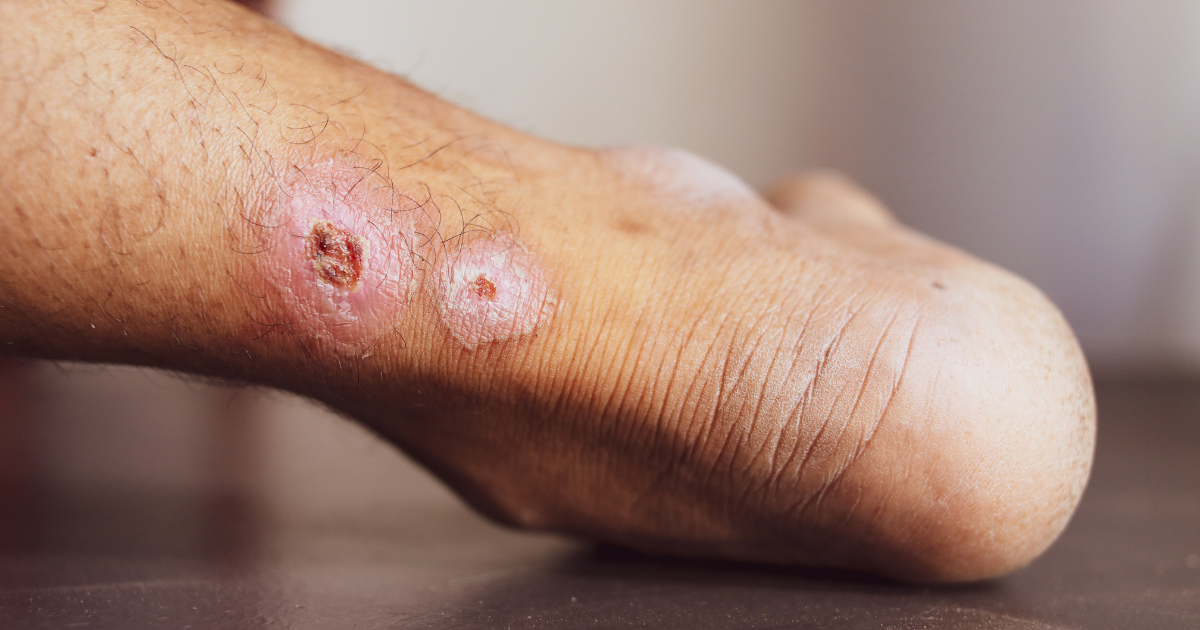
Painful Open Sores
Some patients develop open ulcers that may be tender or painful. These can occur on the legs, ankles, or other affected areas.
The ulcers may have irregular borders and may take longer to heal if circulation is impaired or inflammation continues.
Darkened Skin
Dark or black skin around an ulcer may indicate tissue damage. This should not be ignored, especially when accompanied by severe pain, coldness, or rapidly changing skin color.
Swelling and Redness
The area around an ulcer may become swollen, red, or tender. These changes can occur because of inflammation or infection.
If redness spreads rapidly or the patient develops fever or worsening pain, urgent medical assessment is important.
Important: Skin ulcers cannot be diagnosed as vasculitis based on appearance alone. Several conditions can produce similar skin changes.
Which Types of Vasculitis Can Cause Skin Ulcers?
Different forms of vasculitis can affect the skin. The pattern of skin involvement depends on the size and location of the affected blood vessels.
1. Cutaneous Small-Vessel Vasculitis
Cutaneous small-vessel vasculitis affects small blood vessels in the skin.
Common skin findings include palpable purpura, red or purple spots, and, in some cases, blisters or ulcers.
Some cases remain limited to the skin, while others may be associated with inflammation involving internal organs. Additional symptoms and investigations help determine whether the disease is limited to the skin.
2. Polyarteritis Nodosa
Polyarteritis nodosa is a type of vasculitis that affects medium-sized arteries.
It may cause painful skin nodules, livedo reticularis—a net-like pattern of skin discoloration—and ulcers in some patients.
Other symptoms may include muscle pain, nerve problems, abdominal pain, or high blood pressure, depending on which blood vessels are affected.
3. ANCA-Associated Vasculitis
ANCA-associated vasculitis includes conditions such as granulomatosis with polyangiitis and microscopic polyangiitis.
These conditions can affect the skin, kidneys, lungs, and nerves. Skin manifestations may include purpura, nodules, and ulcers.
When skin ulcers occur alongside symptoms such as coughing up blood, breathing difficulties, blood in the urine, or new nerve-related problems, prompt medical evaluation is essential.
Are All Non-Healing Skin Ulcers Caused by Vasculitis?
No. Many conditions can cause skin ulcers that do not heal.
Identifying these alternatives is important because their treatments can differ significantly.
Diabetes
Diabetes can delay wound healing and increase the risk of infection. Nerve damage may reduce sensation in the feet, making injuries difficult to notice.
Poor circulation can further increase the risk of foot ulcers.
Venous Disease
Problems with blood returning from the legs to the heart can cause swelling and ulcers, particularly around the ankles.
These ulcers may be associated with skin discoloration and chronic swelling.
Peripheral Artery Disease
Reduced blood flow through the arteries can prevent adequate oxygen from reaching the skin. Arterial ulcers may be particularly painful and can develop on the feet or toes.
Skin Infections
Bacterial and other infections can damage the skin and delay wound healing. An ulcer may also become infected after it develops for another reason.
Other Inflammatory Skin Conditions
Certain inflammatory skin disorders can cause painful ulcers that resemble vasculitis-related wounds.
For example, pyoderma gangrenosum can cause rapidly progressing, painful ulcers and may occur alongside inflammatory or autoimmune conditions.
Because these conditions can look similar, professional evaluation is important before starting treatment.
How Are Vasculitis-Related Skin Ulcers Diagnosed?
Diagnosing vasculitis involves examining the skin, reviewing the patient’s medical history, and determining whether other organs may be affected.
The doctor may recommend the following investigations depending on the symptoms.
1. Physical Examination
The doctor examines the ulcer’s location, size, depth, color, and surrounding skin.
They may ask when the ulcer first appeared, whether it is painful, whether similar ulcers have occurred previously, and whether the patient has other symptoms.
2. Blood Tests
A complete blood count and inflammatory markers, such as ESR or CRP, may help assess the patient’s overall condition.
Additional blood tests may be recommended depending on the suspected type of vasculitis and the presence of other symptoms.
3. Skin Biopsy
A skin biopsy involves taking a small sample of affected skin for examination under a microscope.
It can help identify inflammation involving blood vessels and distinguish vasculitis from certain other skin conditions.
In selected cases, a separate sample may be needed for direct immunofluorescence testing.
4. Kidney and Urine Tests
If systemic vasculitis is suspected, doctors may check kidney function through blood tests and examine the urine for blood or protein.
These investigations are important because some forms of vasculitis can affect the kidneys even when kidney-related symptoms are not obvious.
5. Additional Tests
Depending on the findings, the doctor may recommend ANCA testing, tests for infections, vascular imaging, or other investigations.
Not every patient needs every test. The evaluation should be guided by the patient’s symptoms and clinical findings.
How Are Skin Ulcers Caused by Vasculitis Treated?
Treatment depends on the underlying cause, the type of vasculitis, the severity of the ulcer, and whether internal organs are involved.
1. Treating the Underlying Vasculitis
If vasculitis is confirmed, treatment aims to control inflammation and prevent further blood vessel damage.
Depending on the condition, doctors may prescribe corticosteroids or other medicines that regulate the immune system.
The choice of treatment depends on the specific diagnosis and disease severity. These medicines should only be used under medical supervision.
2. Proper Wound Care
Appropriate wound care helps protect the ulcer and supports healing.
Depending on the wound, care may include gentle cleaning, suitable dressings, and regular monitoring.
Avoid applying harsh chemicals, unverified home remedies, or prescription creams without medical advice.
3. Treating Infection
If an ulcer becomes infected, the doctor may recommend appropriate treatment based on the suspected infection and clinical findings.
Antibiotics are not required for every ulcer. They are used when a bacterial infection is suspected or confirmed and treatment is clinically indicated.
4. Improving Circulation When Necessary
If poor blood flow contributes to the ulcer, the doctor may recommend further vascular assessment and treatment.
Compression bandages or compression stockings should not be started without appropriate advice when arterial circulation problems are possible.
5. Monitoring Healing
Regular follow-up helps determine whether the ulcer is improving and whether the treatment needs adjustment.
Increasing pain, new ulcers, spreading redness, or a change in skin color should be reported promptly.
Do not stop or change vasculitis medication without consulting your treating doctor.
How Can You Care for Skin Ulcers at Home?
Home care can support healing, but it does not replace treatment of the underlying cause.
Consider the following precautions:
- Follow your doctor’s wound-cleaning and dressing instructions.
- Keep the ulcer protected with an appropriate dressing.
- Avoid picking at the wound or repeatedly touching it.
- Avoid tight footwear or pressure on ulcers affecting the feet.
- Eat a balanced diet with adequate protein and essential nutrients.
- If you have diabetes, follow your treatment plan to manage blood glucose.
- Monitor the ulcer for changes in size, pain, discharge, or surrounding redness.
- Attend scheduled follow-up appointments.
If an ulcer is worsening or showing signs of infection, seek medical advice rather than relying on home remedies.
When Should You See a Doctor for a Non-Healing Skin Ulcer?
A skin ulcer that is not healing, repeatedly reopening, or becoming increasingly painful should be medically assessed.
Seek urgent medical attention if you notice:
- Rapidly increasing ulcer size
- Black or darkening skin around the wound
- Severe or rapidly worsening pain
- Spreading redness or swelling
- Pus accompanied by worsening symptoms
- Fever with a deteriorating wound
- New ulcers appearing alongside other concerning symptoms
Seek emergency care for symptoms such as coughing up blood, severe breathing difficulty, or significant bleeding.
If you already have vasculitis, tell your treating doctor about any new skin lesions or ulcers. They may need to assess whether the skin problem is related to vasculitis, infection, circulation problems, or another condition.
Conclusion
Vasculitis can cause skin ulcers that heal slowly or fail to heal properly. Inflammation of blood vessels may disrupt circulation and damage the skin, leading to painful ulcers, purple spots, and other skin changes.
However, not every non-healing skin ulcer is caused by vasculitis. Diabetes, venous disease, reduced arterial blood flow, infections, and other inflammatory skin conditions can produce similar wounds.
Early evaluation helps identify the underlying cause and guides appropriate treatment. If you have a persistent skin ulcer, especially alongside other symptoms of vasculitis, consult a qualified doctor for an accurate diagnosis and an individualized treatment plan.
Frequently Asked Questions (FAQs)
1. Can vasculitis cause skin ulcers that do not heal?
Yes. Certain types of vasculitis can inflame or damage blood vessels supplying the skin, disrupting circulation and delaying wound healing. However, other conditions can also cause non-healing ulcers.
2. Where do vasculitis-related skin ulcers usually appear?
They may develop on the lower legs, ankles, or feet, although other areas can be affected. The location depends on the type of vasculitis and the blood vessels involved.
3. Can skin ulcers caused by vasculitis heal completely?
Many ulcers can improve with appropriate treatment. Healing depends on the severity of tissue damage, the adequacy of blood flow, control of inflammation, and whether complications such as infection are present.
4. Are purple skin spots a sign of vasculitis?
Purple spots can occur in vasculitis, particularly when small blood vessels are affected. However, they can also result from other medical conditions, so a clinical evaluation may be necessary.
5. How are vasculitis-related skin ulcers diagnosed?
Diagnosis may involve a physical examination, blood tests, urine tests, and a skin biopsy. Additional investigations depend on whether the doctor suspects that other organs are involved.
6. Can vasculitis-related skin ulcers become infected?
Yes. Any open wound can become infected. Increasing pain, spreading redness, swelling, discharge, or fever may indicate infection and should be assessed by a healthcare professional.
7. Which doctor should I consult for suspected vasculitis-related skin ulcers?
A dermatologist or rheumatologist may help evaluate suspected vasculitis-related skin problems. Depending on the findings, wound-care specialists or vascular specialists may also be involved.