
When parents think about juvenile arthritis, they usually associate it with pain, swelling, and stiffness in the knees, wrists, or fingers. However, juvenile idiopathic arthritis (JIA) can also affect a less commonly recognised joint: the temporomandibular joint (TMJ).
The TMJ connects the lower jaw to the skull and allows children to speak, chew, yawn, and open their mouths. Inflammation in this joint can cause jaw pain, difficulty chewing, restricted mouth opening, and changes in facial growth.
One important concern is that TMJ arthritis may develop without obvious symptoms, especially during its early stages. This means a child may have inflammation even when they do not complain of jaw pain.
Understanding the connection between juvenile arthritis and jaw problems can help parents recognise possible warning signs and seek timely medical evaluation.
What Is Juvenile Idiopathic Arthritis?
Juvenile idiopathic arthritis is a group of inflammatory conditions that affect children below the age of 16. It causes persistent inflammation in one or more joints.
Common symptoms include:
- Joint pain and swelling
- Morning stiffness
- Limping or difficulty walking
- Reduced joint movement
- Difficulty participating in everyday activities
- Fatigue or tiredness
JIA can affect different joints depending on the disease subtype. Although the knees, ankles, wrists, and fingers are commonly involved, inflammation can also affect joints that are less noticeable, including the temporomandibular joint.
Because TMJ involvement may not cause obvious symptoms initially, it can sometimes be overlooked during routine arthritis assessments.
What Is the Temporomandibular Joint (TMJ)?
The temporomandibular joint is the joint located on each side of the face, just in front of the ears.
It connects the lower jawbone to the skull and helps perform essential everyday movements, such as:
- Opening and closing the mouth
- Chewing food
- Speaking
- Yawning
- Moving the jaw from side to side
The TMJ is particularly important during childhood because the jaw and facial bones are still developing.
Inflammation in this joint can interfere with normal jaw movement and, in some children, affect the growth and development of the lower jaw.
Can Juvenile Arthritis Affect the Jaw Joint?
Yes. Juvenile idiopathic arthritis can cause inflammation in the temporomandibular joint, a condition known as JIA-associated TMJ arthritis.
The inflammation may affect the joint’s soft tissues and surrounding structures. Over time, persistent inflammation can damage parts of the joint involved in jaw movement and growth.
TMJ arthritis may occur alongside inflammation in other joints. In some cases, it may be the only noticeable joint involvement.
This makes awareness particularly important. Parents and healthcare professionals should not assume that a child with juvenile arthritis will only experience symptoms in the knees, hands, or other commonly affected joints.
Research and clinical recommendations recognise TMJ involvement as an important complication of JIA that requires appropriate assessment and monitoring.
What Are the Symptoms of TMJ Arthritis in Children?
Symptoms vary from child to child. Some children experience noticeable jaw discomfort, while others may have very few symptoms.
Possible signs include:
1. Jaw Pain
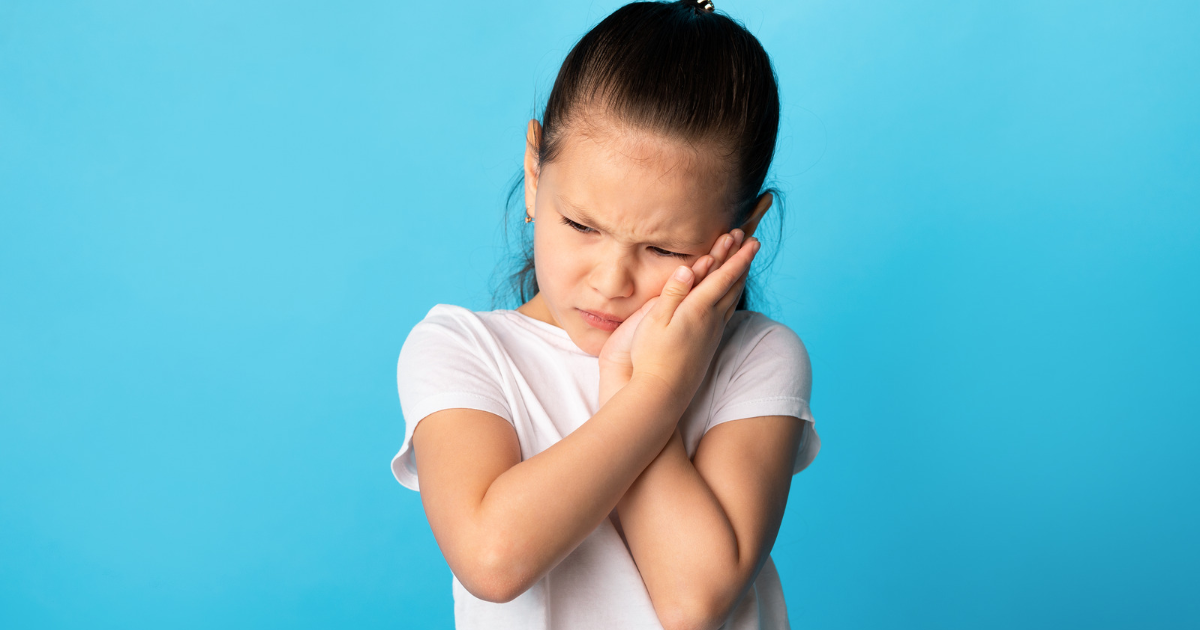
A child may complain of pain near the ears, cheeks, or jaw while chewing, speaking, or opening the mouth.
The discomfort may occur on one side or both sides of the face.
2. Difficulty Opening the Mouth
The child may find it difficult to open their mouth fully.
Parents may notice that the child avoids large bites, yawning, or activities that require wider mouth opening.
3. Pain While Chewing
Chewing may become uncomfortable, especially when eating foods that require more jaw movement.
Children may begin avoiding certain foods or prefer softer meals.
4. Jaw Stiffness
Some children may experience stiffness around the jaw, particularly after waking up or after periods of rest.
This can sometimes resemble the morning stiffness experienced in other joints affected by juvenile arthritis.
5. Jaw Deviation
The lower jaw may move slightly to one side when the child opens their mouth.
A noticeable change in jaw movement should be evaluated by a healthcare professional.
6. Facial Asymmetry
In some children, prolonged inflammation affecting the growing jaw joint may contribute to differences in facial development.
Parents may notice that the lower jaw appears uneven or that the face is gradually becoming asymmetrical.
These changes should be assessed rather than assumed to be normal growth variations.
Can TMJ Arthritis Develop Without Jaw Pain?
Yes. TMJ arthritis can be present even when a child does not complain of jaw pain.
This is one of the most important aspects of TMJ involvement in juvenile arthritis.
Some children have inflammation that is difficult to detect through symptoms alone. They may continue eating, speaking, and participating in normal activities without reporting discomfort.
As a result, parents may not realise that the jaw joint needs attention.
A child with JIA should have their jaw function and facial development assessed periodically as part of their overall care.
If the rheumatologist identifies concerns, further evaluation by an appropriate specialist may be recommended.
Why Is TMJ Arthritis Important During Childhood?
The temporomandibular joint plays an important role in facial growth and development.
During childhood, the lower jaw continues to grow. Inflammation affecting the TMJ during this period may interfere with normal development.
Potential complications include:
1. Changes in Jaw Growth
Persistent inflammation may affect the growth of the lower jaw.
In some children, this may contribute to a smaller or underdeveloped lower jaw.
2. Facial Asymmetry
If the joint is affected more on one side, facial growth may become uneven.
This may result in noticeable differences in facial appearance.
3. Bite and Dental Alignment Problems
Changes in jaw development can affect how the upper and lower teeth meet.
Some children may develop problems with their bite or dental alignment.
4. Difficulty With Jaw Function
Persistent inflammation or joint damage may affect chewing, speaking, and mouth opening.
Early recognition helps doctors evaluate these problems and plan appropriate treatment.
TMJ arthritis does not necessarily lead to these complications in every child. The risk depends on factors such as the extent of inflammation, disease course, and response to treatment.
How Is TMJ Arthritis Diagnosed in Children?
Diagnosing TMJ arthritis requires careful assessment because symptoms may be subtle or absent.
The evaluation may involve the following steps:
1. Medical History
The doctor may ask about:
- Jaw pain or stiffness
- Difficulty chewing
- Changes in mouth opening
- Previous facial or jaw problems
- Duration and activity of juvenile arthritis
- Changes in facial appearance
Parents should mention even minor changes they have noticed.
2. Clinical Examination
The doctor may assess:
- How widely the child can open their mouth
- Whether the jaw moves evenly
- Pain or tenderness around the joint
- Jaw movement during opening and closing
- Facial symmetry and jaw development
A clinical examination helps identify possible problems and determine whether additional tests are needed.
However, a normal examination does not always rule out early inflammation.
3. MRI of the Temporomandibular Joint
Magnetic resonance imaging (MRI), particularly MRI with contrast when appropriate, is an important imaging method for detecting active TMJ inflammation.
It can help identify inflammation inside the joint and assess changes in surrounding structures.
MRI may be recommended when the child’s history or examination suggests TMJ involvement.
Not every child with juvenile arthritis needs an MRI. The decision should be made by the treating medical team based on individual clinical findings.
How Is Juvenile Arthritis-Related TMJ Inflammation Treated?
Treatment depends on the severity of inflammation, the child’s symptoms, imaging findings, and whether the jaw’s growth or function is affected.
The main goals are to control inflammation, preserve jaw function, and support normal facial development.
1. Treating the Underlying Arthritis
The rheumatologist may adjust the child’s juvenile arthritis treatment if active TMJ inflammation is identified.
Depending on the individual situation, treatment may involve disease-modifying medicines such as methotrexate or biologic medicines.
The treatment plan should be personalised. Parents should not change or stop prescribed medication without medical advice.
2. Dental and Jaw Specialist Assessment
Children with TMJ involvement may benefit from assessment by specialists experienced in jaw function and facial development.
Depending on the child’s needs, the care team may include:
- Paediatric rheumatologist
- Paediatric dentist
- Orthodontist
- Oral and maxillofacial specialist
- Radiologist
- Specialist in jaw function or orofacial pain
This coordinated approach helps address both inflammation and possible effects on jaw development.
3. Physical Therapy and Jaw Exercises
Selected children may benefit from guided jaw exercises or physiotherapy to improve function and reduce discomfort.
However, exercises should be recommended by a qualified professional.
Parents should avoid forcing the child’s mouth open or performing aggressive jaw exercises without medical guidance.
4. Dental Splints When Appropriate
In certain cases, a dental specialist may recommend an oral splint to help manage jaw symptoms or dysfunction.
Splints should be prescribed and monitored by an appropriate dental professional. They are not suitable for every child.
Treatment recommendations for JIA-associated TMJ problems emphasise individualised care and collaboration between rheumatology and dental or jaw specialists.
When Should Parents Consult a Rheumatologist?
Parents should discuss possible TMJ involvement with their child’s rheumatologist if they notice:
- Persistent jaw pain
- Difficulty opening the mouth
- Pain while chewing
- Changes in jaw movement
- Jaw stiffness
- Facial asymmetry
- Changes in bite or dental alignment
- Difficulty eating certain foods
Even if the child does not report symptoms, parents can ask whether the jaw joint should be assessed during routine juvenile arthritis follow-up.
Early evaluation is particularly important when the child is still growing.
Practical Tips for Parents
If your child has juvenile arthritis, consider these simple steps:
- Observe whether your child opens their mouth comfortably.
- Notice changes in chewing or food preferences.
- Ask whether your child experiences jaw pain or stiffness.
- Inform the rheumatologist about any changes in facial appearance.
- Attend regular arthritis follow-up appointments.
- Follow recommendations for dental or jaw specialist assessment.
- Avoid starting jaw exercises or dental devices without professional advice.
Parents should remember that children may not always recognise or explain subtle jaw symptoms. Regular communication with the healthcare team can help identify problems early.
Conclusion
Juvenile arthritis can affect more than the commonly recognised joints. The temporomandibular joint, which connects the lower jaw to the skull, may also develop inflammation.
TMJ arthritis can cause jaw pain, stiffness, difficulty chewing, restricted mouth opening, and changes in facial growth. However, some children may have inflammation without obvious symptoms.
Because the jaw continues to develop throughout childhood, recognising TMJ involvement early is important for protecting jaw function and supporting normal facial development.
If your child has juvenile idiopathic arthritis, discuss jaw assessment and facial growth monitoring with their rheumatologist. Early evaluation and coordinated care can help identify problems and guide appropriate treatment.
Remember: Jaw pain in a child with juvenile arthritis should not be ignored, and the absence of pain does not always mean the jaw joint is unaffected.
Frequently Asked Questions (FAQs)
1. Can juvenile arthritis cause jaw pain?
Yes. Juvenile idiopathic arthritis can affect the temporomandibular joint, causing jaw pain, stiffness, difficulty chewing, and restricted mouth opening.
2. What is TMJ arthritis in children?
TMJ arthritis is inflammation of the joint connecting the lower jaw to the skull. In children with JIA, it may affect jaw movement and, in some cases, facial growth.
3. Can TMJ arthritis occur without symptoms?
Yes. Some children may have TMJ inflammation without noticeable jaw pain or difficulty chewing. Regular assessment of jaw function is important.
4. Can juvenile arthritis affect facial growth?
Yes. Persistent inflammation of the TMJ during childhood may interfere with lower jaw growth and contribute to facial asymmetry or changes in dental alignment.
5. How is TMJ arthritis diagnosed in children?
Diagnosis involves medical history, clinical examination, and imaging when appropriate. MRI with contrast is an important method for detecting active inflammation in the TMJ.
6. Does every child with juvenile arthritis need a TMJ MRI?
No. MRI is recommended when clinically indicated. The rheumatologist and relevant specialists decide whether imaging is necessary based on symptoms, examination findings, and individual risk.
7. Which doctor treats TMJ arthritis in children?
Treatment may involve a paediatric rheumatologist along with a paediatric dentist, orthodontist, oral and maxillofacial specialist, or other professionals experienced in jaw disorders.
8. Can TMJ arthritis be treated?
Yes. Treatment aims to control inflammation, preserve jaw function, and support normal growth. The plan may include arthritis medicines and specialist dental or jaw care, depending on the child’s condition.