

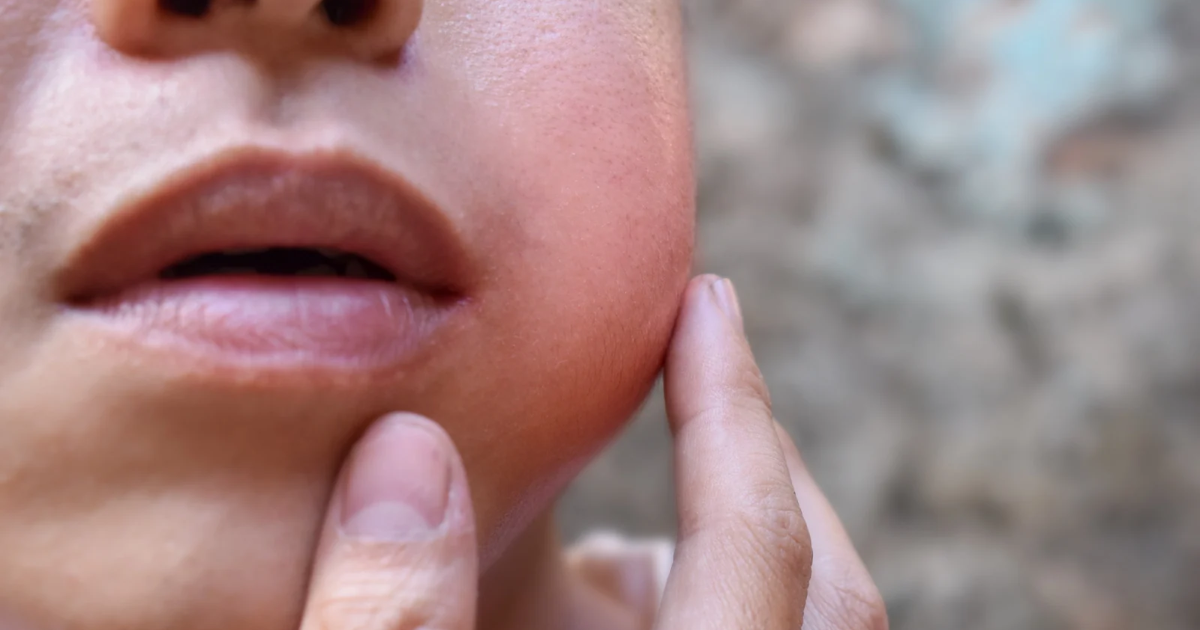
Sjögren’s disease is an autoimmune condition that primarily affects the glands responsible for producing saliva and tears. While dry eyes and dry mouth are its most common symptoms, some patients also experience persistent swelling of the salivary glands, particularly around the cheeks, jawline, and sides of the face.
For some people, this swelling may come and go. For others, it may remain for weeks or months, causing discomfort, facial fullness, difficulty eating, or pain while swallowing.
But why do salivary glands remain swollen in some Sjögren’s patients? Is it simply due to reduced saliva production, or could it indicate something more serious?
Understanding the underlying cause is important for identifying complications early and ensuring appropriate treatment.
What Are Salivary Glands and Why Are They Affected in Sjögren’s Disease?
Salivary glands produce saliva, which helps keep the mouth moist, supports digestion, makes swallowing easier, and protects teeth against cavities and infections.
The major salivary glands include:
- Parotid glands: Located in front of and below the ears.
- Submandibular glands: Located beneath the lower jaw.
- Sublingual glands: Located underneath the tongue.
In Sjögren’s disease, the immune system mistakenly attacks moisture-producing glands. This causes inflammation and damage to the salivary glands, reducing their ability to produce saliva.
As the disease progresses, the glands may become inflamed, enlarged, and sometimes painful. This inflammation can result in noticeable swelling around the jaw, cheeks, or beneath the ears.
Why Do Some Sjögren’s Patients Experience Persistent Salivary Gland Swelling?
Salivary gland swelling in Sjögren’s disease can occur for several reasons. Not every patient experiences the same underlying problem, which is why persistent swelling requires proper evaluation.
1. Chronic Autoimmune Inflammation
The most common underlying mechanism is ongoing autoimmune inflammation.
In Sjögren’s disease, immune cells accumulate within the salivary glands and attack the glandular tissues. This inflammatory activity can interfere with normal saliva production and cause the glands to enlarge.
When inflammation continues for an extended period, the swelling may become persistent rather than occurring only occasionally.
Patients may experience:
- Swelling near the ears or jawline
- Tenderness around the salivary glands
- Discomfort while chewing
- Dry mouth alongside gland enlargement
- Repeated episodes of facial swelling
The swelling may affect one gland or both sides of the face.
2. Reduced Saliva Flow and Salivary Duct Blockage
Sjögren’s disease reduces saliva production, and the saliva may become thicker than normal.
When saliva does not flow freely through the salivary ducts, it may accumulate within the glands. This can contribute to swelling and discomfort.
In some patients, the swelling becomes more noticeable during meals because the salivary glands attempt to produce saliva in response to food, but the flow is restricted.
Symptoms may include:
- Swelling that increases while eating
- Pain near the jaw or ears
- A feeling of pressure inside the cheeks
- Difficulty eating dry foods
- Recurrent gland enlargement
Salivary duct obstruction, including blockage caused by salivary stones, may also contribute to gland swelling and requires evaluation.
3. Recurrent Salivary Gland Infections
Reduced saliva creates an environment in which bacteria can grow more easily inside the mouth and salivary glands.
Saliva normally helps wash away bacteria and protects the oral tissues. When saliva production decreases significantly, the risk of salivary gland infection may increase.
An infection may cause:
- Painful gland swelling
- Redness over the affected area
- Fever
- Tenderness
- Bad taste in the mouth
- Pus or discharge from the salivary duct
Infections may sometimes occur repeatedly in patients with severe dry mouth.
If gland swelling is accompanied by fever, significant pain, redness, or pus, medical attention should be sought promptly.
4. Lymphocytic Infiltration of the Salivary Glands
One of the important features of Sjögren’s disease is the accumulation of lymphocytes, a type of white blood cell, within the salivary gland tissues.
This process is called lymphocytic infiltration.
Over time, these immune cells can damage the glandular structures responsible for producing saliva. The resulting inflammation may cause gland enlargement, reduced saliva production, and changes in the normal structure of the glands.
In some patients, chronic inflammation can lead to progressive gland damage, making the swelling more persistent.
This process is also important because extensive lymphocytic activity in Sjögren’s disease is associated with an increased risk of certain complications, including lymphoma.
Can Persistent Salivary Gland Swelling Be a Sign of Lymphoma?
Yes, although most salivary gland swelling in Sjögren’s patients is not caused by lymphoma, persistent or unusual enlargement should never be ignored.
People with Sjögren’s disease have a higher risk of developing certain types of lymphoma, particularly MALT lymphoma (Mucosa-Associated Lymphoid Tissue lymphoma), which may involve the salivary glands.
Warning signs that require further evaluation include:
- Persistent swelling of one salivary gland
- Enlargement that continues for several weeks
- A firm gland or lump
- Swelling that gradually increases in size
- Enlarged lymph nodes in the neck
- Unexplained weight loss
- Persistent fever
- Night sweats
- Unusual or worsening fatigue
These symptoms do not necessarily mean lymphoma is present. However, persistent gland enlargement, particularly when it is unilateral, firm, or progressively increasing, should be investigated rather than assumed to be a routine Sjögren’s symptom.
Early evaluation can help identify the cause and ensure appropriate management.
Is Salivary Gland Swelling Always Painful?
No. Salivary gland swelling in Sjögren’s disease may be painful, mildly uncomfortable, or completely painless.
Some patients notice facial fullness without tenderness, while others experience significant discomfort, especially during meals or when the glands become inflamed.
The nature of the swelling may provide useful clues:
| Type of Swelling | Possible Cause |
| Painful swelling with fever | Possible infection |
| Swelling that increases during meals | Salivary duct obstruction |
| Recurrent swelling on both sides | Autoimmune gland inflammation |
| Persistent painless enlargement | Chronic inflammation or other gland-related conditions |
| Firm, progressive swelling on one side | Requires evaluation to rule out serious causes |
However, symptoms alone cannot establish the diagnosis. Clinical examination and appropriate investigations are necessary.
How Is Persistent Salivary Gland Swelling Investigated in Sjögren’s Patients?
When a patient with Sjögren’s disease experiences persistent salivary gland enlargement, the doctor may recommend investigations to determine the cause.
1. Clinical Examination
The doctor examines the salivary glands for:
- Size and location of swelling
- Tenderness
- Firmness
- Whether one or both glands are affected
- Associated lymph node enlargement
- Signs of infection
The duration and pattern of swelling are also important.
2. Salivary Gland Ultrasound
Ultrasound is a useful non-invasive investigation for evaluating salivary gland abnormalities.
It can help identify:
- Changes in gland structure
- Areas of inflammation
- Abnormal tissue patterns
- Cysts
- Salivary stones
- Focal lesions that may require further investigation
Depending on the findings, additional imaging may be recommended.
3. Blood Tests
Blood investigations may help assess autoimmune activity, inflammation, and certain risk factors associated with complications.
The doctor may recommend tests such as:
- Complete blood count
- ESR and CRP
- Complement levels, including C3 and C4
- Immunoglobulin levels
- Rheumatoid factor
- Other autoimmune markers, depending on the clinical situation
These tests help provide a broader understanding of the disease and its activity.
4. Biopsy
If the swelling is persistent, unusual, or suspicious, a biopsy may be recommended.
A tissue sample can help identify the nature of the gland abnormality and determine whether it is related to autoimmune inflammation, another gland condition, or a potentially serious complication such as lymphoma.
Not every patient with swollen salivary glands requires a biopsy. The decision depends on symptoms, examination findings, and imaging results.
How Is Persistent Salivary Gland Swelling Treated?
Treatment depends on the underlying cause of the swelling.
When Swelling Is Due to Autoimmune Inflammation
Treatment may focus on controlling the underlying disease activity. Depending on the symptoms and organ involvement, the rheumatologist may consider medications to manage inflammation and systemic manifestations.
When Swelling Is Due to Infection
Bacterial infections may require antibiotics, along with supportive care and adequate hydration.
Severe or recurrent infections need further assessment to identify contributing factors.
When Swelling Is Due to Reduced Saliva Flow
Patients may benefit from:
- Adequate hydration
- Saliva substitutes
- Sugar-free chewing gum, if appropriate
- Good oral hygiene
- Medications that stimulate saliva production, when medically suitable
When a Salivary Duct Is Blocked
Treatment may depend on the location and severity of the blockage. Salivary stones or duct abnormalities may require evaluation by an ENT specialist or oral and maxillofacial specialist.
When Lymphoma Is Suspected
Further investigations, including imaging and biopsy, may be necessary. Treatment depends on the confirmed diagnosis and may involve a hematologist or oncologist.
Can Persistent Swelling Be Prevented in Sjögren’s Disease?
Not every episode of salivary gland swelling can be prevented, especially when it is related to autoimmune inflammation. However, maintaining good oral health and supporting saliva flow may help reduce certain complications.
Patients can consider the following measures:
- Drink water regularly throughout the day.
- Maintain good oral hygiene.
- Avoid smoking and tobacco products.
- Limit excessive alcohol consumption.
- Use saliva substitutes if recommended.
- Avoid medicines that worsen dryness without consulting a doctor.
- Seek medical attention for repeated or persistent gland swelling.
Regular follow-up with a rheumatologist can help monitor disease activity and identify complications early.
When Should You Consult a Rheumatologist?
Occasional salivary gland swelling may occur in Sjögren’s disease, but persistent enlargement deserves attention.
Consult a rheumatologist if you experience:
- Repeated episodes of gland swelling
- Swelling that lasts several weeks
- Persistent swelling on one side of the face
- Increasing gland size
- Pain or difficulty while eating
- Unexplained fever or weight loss
- Enlarged lymph nodes
- New symptoms despite ongoing treatment
A rheumatologist can evaluate whether the swelling is related to autoimmune inflammation, infection, salivary duct obstruction, or another condition and guide further investigation or treatment.
Conclusion
Persistent salivary gland swelling in Sjögren’s disease can result from autoimmune inflammation, reduced saliva flow, salivary duct blockage, or recurrent infections. Although occasional swelling may be part of the disease, prolonged, firm, or progressively increasing enlargement should never be ignored. In some cases, it may indicate a more serious complication, including lymphoma. Identifying the underlying cause early is essential for appropriate treatment and preventing further complications. If you experience persistent salivary gland swelling, consult a rheumatologist for proper evaluation and timely management.
Frequently Asked Questions (FAQs)
1. Is salivary gland swelling common in Sjögren’s disease?
Yes. Some patients with Sjögren’s disease experience enlargement of the salivary glands, particularly the parotid glands near the ears. The swelling may be temporary, recurrent, or persistent, depending on the underlying cause.
2. Can swollen salivary glands in Sjögren’s disease become permanent?
In some patients, chronic inflammation and damage to the salivary gland tissues may cause persistent enlargement or structural changes. The duration and severity depend on the extent of gland involvement and the underlying condition.
3. Does persistent salivary gland swelling mean lymphoma?
No. Most cases of salivary gland swelling in Sjögren’s disease are not lymphoma. However, Sjögren’s increases the risk of certain lymphomas, so persistent, firm, progressive, or one-sided swelling should be investigated.
4. Can salivary gland swelling occur without dry mouth?
Yes. Although dry mouth is a common symptom of Sjögren’s disease, some patients may experience salivary gland enlargement even when dryness is mild or not very noticeable.
5. Which doctor should I consult for swollen salivary glands in Sjögren’s disease?
A rheumatologist is generally the appropriate specialist to assess autoimmune-related salivary gland swelling. Depending on the findings, you may also need an ENT specialist, dentist, oral medicine specialist, or other specialist.