

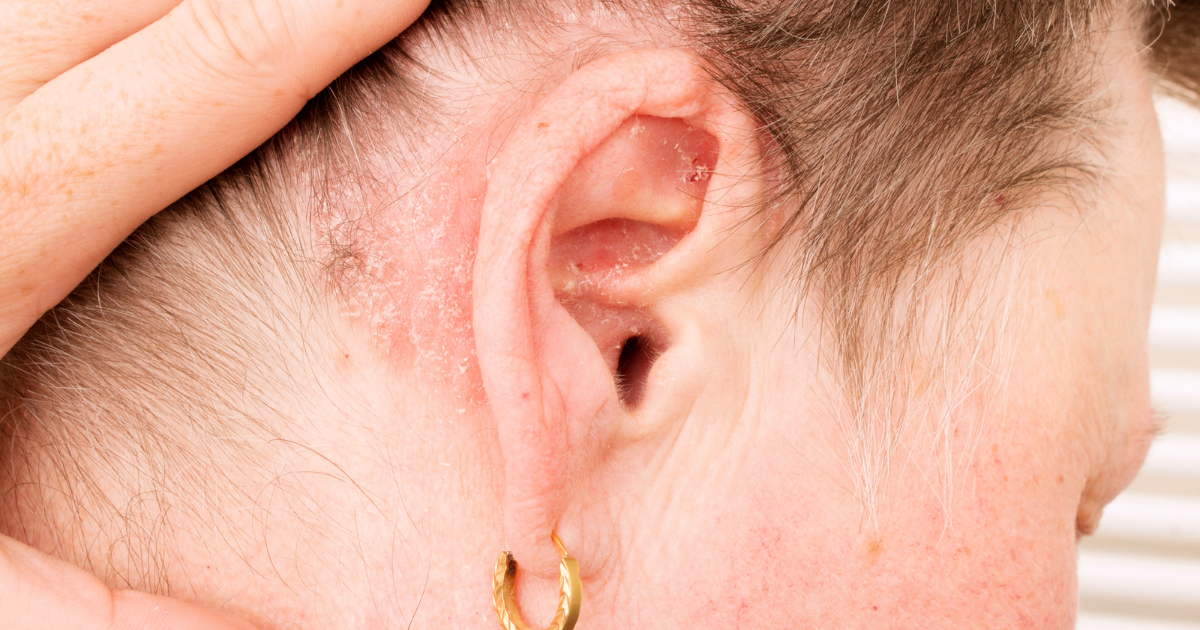
When people hear about Psoriatic Arthritis (PsA), they often associate it with psoriasis, a skin condition that causes red, scaly patches. However, not everyone with Psoriatic Arthritis develops visible skin symptoms before experiencing joint problems.
Some people notice joint pain, stiffness, swelling, or heel pain months or even years before psoriasis becomes noticeable. In others, skin and joint symptoms may develop around the same time.
This raises an important question: Can Psoriatic Arthritis be diagnosed before skin symptoms appear?
Yes. Psoriatic Arthritis can sometimes be diagnosed even when there are no visible signs of psoriasis. Recognising the early warning signs and getting the right medical evaluation can help prevent long-term joint damage.
What Is Psoriatic Arthritis?
Psoriatic Arthritis is a chronic inflammatory disease in which the immune system mistakenly attacks healthy tissues, causing inflammation in the joints and surrounding structures.
It belongs to a group of conditions known as spondyloarthritis.
Psoriatic Arthritis can affect:
- Fingers and toes
- Knees and ankles
- Wrists and elbows
- Heels and feet
- Lower back and spine
- Areas where tendons and ligaments attach to bones
Although psoriasis is commonly associated with this condition, visible skin symptoms are not essential for a doctor to suspect or diagnose Psoriatic Arthritis.
Can You Have Psoriatic Arthritis Without Psoriasis?
Yes. Psoriatic Arthritis can develop before visible psoriasis appears.
In some individuals, joint symptoms are the first noticeable sign of the disease. Skin psoriasis may develop later, sometimes after several months or years.
There are also people who have very mild psoriasis that goes unnoticed. For example, psoriasis may affect areas that are difficult to see, such as:
- Scalp
- Behind the ears
- Inside or around the belly button
- Between the buttocks
- Skin folds
- Genital areas
Because these areas are not always examined carefully, a person may have psoriasis without realising it.
Therefore, the absence of visible skin symptoms does not completely rule out Psoriatic Arthritis.
What Are the Early Signs of Psoriatic Arthritis Without Skin Symptoms?
Recognising joint-related symptoms is particularly important when psoriasis is not present.
1. Persistent Joint Pain
One of the earliest symptoms may be pain in the fingers, toes, knees, ankles, or wrists.
Unlike occasional discomfort caused by physical activity, inflammatory joint pain may continue or return repeatedly.
2. Morning Stiffness
People with Psoriatic Arthritis may experience stiffness after waking up or after sitting for a long time.
The stiffness may last for 30 minutes or longer and often improves with gentle movement.
3. Swollen Fingers or Toes
Some patients develop swelling throughout an entire finger or toe.
This is called dactylitis, commonly known as sausage digit.
It is an important clinical feature associated with Psoriatic Arthritis.
4. Heel Pain
Pain around the heel may occur when inflammation affects the areas where tendons or ligaments attach to bones.
This condition is called enthesitis.
It can cause pain at the back or bottom of the heel, particularly during walking or after periods of rest.
5. Lower Back Pain
Some people develop inflammatory back pain due to involvement of the spine or sacroiliac joints.
The pain may:
- Be worse during rest
- Improve with movement
- Cause morning stiffness
- Wake a person during the second half of the night
Persistent inflammatory-type back pain deserves medical evaluation.
6. Nail Changes
Nail abnormalities may sometimes provide an important clue, even when skin psoriasis is absent.
These changes can include:
- Small pits in the nails
- Thickened nails
- Nail separation from the nail bed
- Irregular nail surfaces
Nail changes alone do not confirm Psoriatic Arthritis, but they can support the diagnosis when combined with joint symptoms.
Why Does Psoriatic Arthritis Develop Before Skin Symptoms?
Psoriatic Arthritis and psoriasis are related immune-mediated conditions. However, the timing and severity of skin and joint involvement can differ between individuals.
The immune system can trigger inflammation in the joints, tendons, and other tissues before visible skin changes become apparent.
Researchers have identified several genetic, immune, and environmental factors associated with Psoriatic Arthritis.
Some important risk factors include:
- Family history of psoriasis or Psoriatic Arthritis
- Genetic susceptibility
- Previous psoriasis, even if mild
- Obesity and metabolic health problems
- Certain environmental triggers
Having one or more risk factors does not mean that a person will definitely develop Psoriatic Arthritis.
How Is Psoriatic Arthritis Diagnosed Without Skin Symptoms?
Diagnosing Psoriatic Arthritis without visible psoriasis can be challenging because several other conditions can cause similar symptoms.
There is no single blood test that confirms Psoriatic Arthritis. A rheumatologist generally considers the patient’s symptoms, medical history, physical examination, and investigation results together.
1. Medical History
Your rheumatologist may ask about:
- Duration and location of joint pain
- Morning stiffness
- Previous episodes of joint swelling
- Heel or back pain
- Family history of psoriasis
- Previous or mild skin problems
- Nail changes
Family history is particularly useful because some people develop joint symptoms before their relatives or they themselves develop obvious psoriasis.
2. Physical Examination
The doctor may examine your joints, fingers, toes, nails, heels, and spine.
They look for signs of:
- Joint swelling
- Tenderness
- Dactylitis
- Enthesitis
- Reduced joint movement
- Nail abnormalities
A careful examination of the scalp, ears, skin folds, and other less visible areas may also help identify hidden psoriasis.
3. Blood Tests
Blood tests may help assess inflammation and exclude other conditions.
Common investigations include:
- ESR
- CRP
- Rheumatoid factor
- Anti-CCP antibodies
Some patients with Psoriatic Arthritis have normal ESR and CRP levels.
Rheumatoid factor and anti-CCP are often negative in Psoriatic Arthritis, but these results alone cannot establish or exclude the diagnosis.
4. Imaging Tests
Imaging can provide additional information when the diagnosis is uncertain.
Your doctor may recommend:
X-ray: Helps identify structural changes, bone erosion, or new bone formation in advanced disease.
Ultrasound: Can detect inflammation around joints, tendons, and ligament attachment areas.
MRI: Can help identify inflammation in joints, bone marrow, tendons, and sacroiliac joints.
The choice of investigation depends on your symptoms and examination findings.
Can Psoriatic Arthritis Be Confused With Rheumatoid Arthritis?
Yes. Both conditions can cause joint pain, swelling, stiffness, and inflammation.
However, some features may help distinguish them.
| Feature | Psoriatic Arthritis | Rheumatoid Arthritis |
| Skin psoriasis | May be present, absent, or develop later | Not typically associated |
| Nail changes | Commonly associated | Not a characteristic feature |
| Whole finger or toe swelling | Can occur | Less typical |
| Enthesitis | Common feature | Less characteristic |
| Rheumatoid factor | Often negative | Frequently positive |
| Joint involvement | Can be asymmetric or symmetric | Often symmetric |
These differences are helpful, but they are not absolute. A rheumatologist must evaluate the complete clinical picture.
Why Is Early Diagnosis Important?
Early diagnosis of Psoriatic Arthritis is important because untreated inflammation can gradually damage joints and affect physical function.
Without appropriate treatment, some patients may develop:
- Permanent joint damage
- Reduced joint movement
- Chronic pain
- Changes in finger or toe structure
- Difficulty walking or performing everyday activities
Starting appropriate treatment early can help control inflammation, protect joints, and improve quality of life.
The aim of treatment is not simply to reduce pain but also to prevent further disease progression.
When Should You Consult a Rheumatologist?
You should consider consulting a rheumatologist if you experience:
- Persistent joint pain or swelling
- Morning stiffness lasting for a prolonged period
- Repeated swelling of fingers or toes
- Unexplained heel pain
- Persistent lower back pain that improves with movement
- Nail changes along with joint symptoms
- A family history of psoriasis or Psoriatic Arthritis with new joint problems
You do not need to wait for skin psoriasis to appear before seeking medical advice.
Frequently Asked Questions
1. Can Psoriatic Arthritis start without psoriasis?
Yes. Joint symptoms can develop before visible psoriasis. In some people, skin symptoms appear months or years later.
2. Can blood tests detect Psoriatic Arthritis?
No single blood test can confirm Psoriatic Arthritis. Blood tests help assess inflammation and exclude other conditions, while diagnosis depends on clinical evaluation and sometimes imaging.
3. Can you have Psoriatic Arthritis with normal ESR and CRP?
Yes. Some people with active Psoriatic Arthritis have normal inflammatory markers. Normal results do not completely rule out the disease.
4. Is Psoriatic Arthritis possible without a family history?
Yes. Although family history increases the likelihood, many people diagnosed with Psoriatic Arthritis do not have a known family history.
5. Can Psoriatic Arthritis be diagnosed before joint damage occurs?
Yes. Early clinical evaluation and appropriate imaging can help identify the disease before significant structural joint damage develops.
Final Takeaway
Psoriatic Arthritis does not always begin with visible skin psoriasis. For some people, persistent joint pain, morning stiffness, swollen fingers, heel pain, or inflammatory back pain may appear first.
Therefore, the absence of skin symptoms does not rule out Psoriatic Arthritis.
If you experience unexplained joint symptoms, especially alongside nail changes or a family history of psoriasis, consult a rheumatologist.
Early diagnosis and appropriate treatment can help control inflammation, protect your joints, and prevent long-term complications.