

Ankylosing Spondylitis (AS) is a chronic inflammatory condition that mainly affects the spine and sacroiliac joints. Because back pain is one of its most recognized symptoms, many people assume that AS always starts with lower back pain.
But that is not always the case.
Ankylosing Spondylitis can cause hip pain, stiffness, and reduced movement even when noticeable back pain is absent. In some people, hip symptoms may appear early or may become more troublesome than their back symptoms. This can sometimes make diagnosis more difficult because hip pain has many possible causes.
Understanding the connection between hip pain and Ankylosing Spondylitis can help people recognize when further evaluation may be needed.
Can Ankylosing Spondylitis Cause Hip Pain Without Back Pain?
Yes. Ankylosing Spondylitis can affect the hips, and hip pain may occasionally occur without obvious or significant back pain.
AS is an inflammatory arthritis that can affect several areas outside the spine. The hip is one of the peripheral joints that may become involved. Inflammation can develop inside the hip joint, causing pain and stiffness.
In other cases, pain around the hip or buttock may be related to inflammation in the sacroiliac joints, which connect the lower spine to the pelvis.
This means that hip-area pain does not always mean there is a problem with the hip itself.
Why Can AS Cause Hip Pain?
There are several ways Ankylosing Spondylitis can contribute to hip or hip-area pain.
1. Inflammation Inside the Hip Joint
AS can cause inflammation of the hip joint. This may lead to:
- Pain in the groin or hip
- Stiffness after resting
- Difficulty walking
- Reduced hip movement
- Trouble climbing stairs
- Pain when getting up from a chair
Hip involvement can be particularly important because persistent inflammation may eventually affect joint function.
2. Sacroiliac Joint Inflammation
The sacroiliac joints are located where the lower spine meets the pelvis. Inflammation here is called sacroiliitis.
Pain from these joints can be felt around:
- The buttocks
- The back of the hip
- The pelvic area
- One or both sides
Sometimes this pain is described as hip pain even though the actual source is the sacroiliac joint.
3. Enthesitis Around the Hip
AS can also cause inflammation where tendons and ligaments attach to bone. This is called enthesitis.
Inflammation around structures near the pelvis and hip can produce localized pain and tenderness. The pain may feel different from typical muscle strain.
What Does AS-Related Hip Pain Feel Like?
Hip pain associated with Ankylosing Spondylitis may have an inflammatory pattern.
Common features can include:
- Pain that is worse after periods of rest
- Morning stiffness
- Stiffness lasting for a prolonged period after waking
- Improvement with gentle movement or activity
- Pain that returns after prolonged sitting
- Reduced range of motion in the hip
- Pain in the buttock or groin
- Symptoms that persist or repeatedly return
However, these symptoms are not specific to AS. Conditions such as osteoarthritis, bursitis, tendon problems, sports injuries, and other forms of arthritis can also cause hip pain.
That is why the overall symptom pattern and medical evaluation are important.
Can Hip Pain Be the First Sign of Ankylosing Spondylitis?
Yes, hip symptoms can sometimes appear early in the disease.
Although AS is strongly associated with inflammatory back pain, not every person experiences the same sequence of symptoms. Some people may first notice pain or stiffness in the hip, buttock, or other joints.
This is especially relevant when hip symptoms occur together with other features associated with spondyloarthritis, such as:
- Persistent morning stiffness
- Recurrent buttock pain
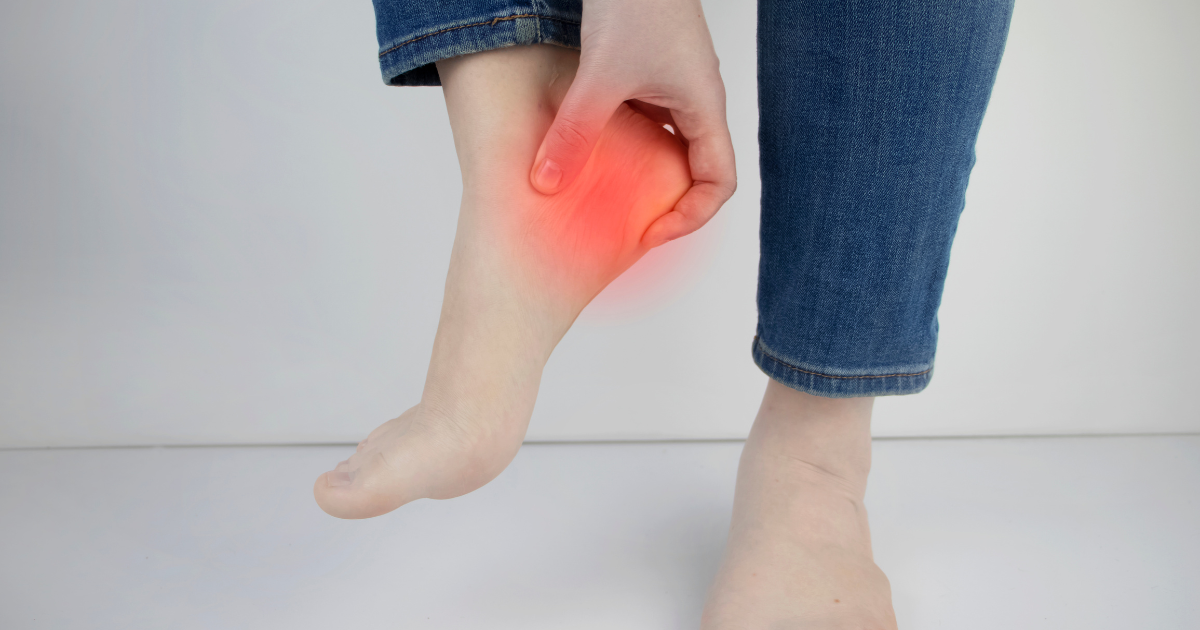
- Heel pain due to enthesitis
- A history of uveitis
- Psoriasis
- Inflammatory bowel disease
- A family history of spondyloarthritis
- Symptoms that began at a relatively young age
Having one of these features does not automatically mean a person has AS, but it may provide useful information to a rheumatologist.
How Is Ankylosing Spondylitis Diagnosed When There Is No Back Pain?
Diagnosis can be more challenging when classic back symptoms are absent.
A rheumatologist may consider several factors.
Medical History
The doctor may ask about:
- When the hip pain started
- Whether symptoms are worse in the morning
- How long stiffness lasts
- Whether movement improves symptoms
- Previous episodes of eye inflammation
- Psoriasis or bowel symptoms
- Family history of similar conditions
Physical Examination
The doctor may assess hip movement, joint stiffness, tenderness, posture, and other joints.
They may also look for signs of inflammation in areas commonly affected by spondyloarthritis.
Blood Tests
Blood tests such as CRP and ESR can help assess inflammation.
HLA-B27 testing may also be considered. HLA-B27 can support the diagnosis in the appropriate clinical setting, but a positive result does not confirm AS, and a negative result does not completely rule it out.
Similarly, normal inflammatory markers do not necessarily exclude the disease.
Imaging Tests
Imaging can be particularly useful when symptoms are unusual or the diagnosis is uncertain.
An X-ray can show structural changes that develop over time. An MRI can detect active inflammation in the sacroiliac joints and other areas before some structural changes become visible on X-ray.
If hip symptoms are prominent, the doctor may also consider imaging of the hip itself.
Hip Pain From AS vs Other Causes
Not every person with hip pain has Ankylosing Spondylitis.
| Feature | AS-related inflammation | Mechanical hip problems |
|---|---|---|
| Morning stiffness | Often prominent | Usually shorter |
| Pain after rest | Can worsen | May vary |
| Improvement with movement | Often improves | Activity may sometimes worsen it |
| Other inflammatory symptoms | May be present | Usually absent |
| Buttock pain | Can occur | Less characteristic |
| Eye/skin/bowel associations | May occur | Usually unrelated |
This table provides general patterns, not a way to diagnose yourself. Hip pain should be evaluated based on the complete clinical picture.
What Happens If AS Affects the Hip?
Hip involvement deserves attention because persistent inflammation can affect mobility and daily activities.
Some people may experience increasing stiffness or difficulty performing activities such as:
- Walking long distances
- Climbing stairs
- Sitting on the floor
- Getting into or out of a car
- Putting on shoes
- Exercising
Early recognition of inflammatory hip symptoms allows appropriate treatment and monitoring.
How Is AS-Related Hip Pain Treated?
Treatment depends on the severity of symptoms, disease activity, and other areas involved.
Medicines
Doctors may use medicines such as non-steroidal anti-inflammatory drugs (NSAIDs) to reduce pain and inflammation.
If disease activity remains significant, targeted treatments such as biologic or other advanced therapies may be considered depending on the individual’s condition.
Treatment should be selected and monitored by a rheumatologist rather than started or stopped without medical advice.
Exercise and Physiotherapy
Appropriate exercise can help maintain:
- Hip mobility
- Flexibility
- Muscle strength
- Physical function
A physiotherapist can help develop an exercise plan suited to the person’s symptoms and limitations.
During periods of severe inflammation or acute pain, exercises may need to be modified.
Managing Weight and Activity
Maintaining a healthy weight can reduce mechanical stress on the hips and make movement easier. Regular, appropriate physical activity is generally preferable to prolonged inactivity.
The goal is to remain active without repeatedly aggravating painful joints.
When Should You See a Rheumatologist?
Consider discussing your symptoms with a rheumatologist if hip or buttock pain:
- Continues for several weeks
- Is associated with significant morning stiffness
- Improves with movement but worsens after rest
- Keeps returning without an obvious injury
- Is accompanied by heel pain or other joint symptoms
- Occurs along with psoriasis or inflammatory bowel disease
- Is associated with previous episodes of eye inflammation
- Started at a younger age and has an inflammatory pattern
A rheumatologist can determine whether the symptoms are related to AS, another type of arthritis, or a non-inflammatory hip problem.
Frequently Asked Questions
Can you have Ankylosing Spondylitis without back pain?
Yes. While back and sacroiliac pain are common features, some people may have hip, buttock, or other joint symptoms without prominent back pain.
Is hip pain common in Ankylosing Spondylitis?
Hip involvement can occur in AS. The degree of hip involvement varies between individuals, and not everyone with AS develops significant hip symptoms.
Can AS cause groin pain?
Yes. When the hip joint itself is inflamed, pain may be felt in the groin as well as around the hip.
Can hip pain be the only symptom of Ankylosing Spondylitis?
Hip pain can sometimes be an early or prominent symptom, but hip pain alone is not enough to diagnose AS. Other causes of hip pain need to be considered.
Does a normal X-ray rule out Ankylosing Spondylitis?
No. Early inflammatory changes may not be visible on an X-ray. Depending on the clinical situation, an MRI may provide additional information.
Does a negative HLA-B27 test rule out AS?
No. HLA-B27 is associated with AS but is not required for diagnosis. Some people with AS are HLA-B27 negative.
Should I exercise if AS is causing hip pain?
Appropriate physical activity is generally an important part of managing AS, but exercises should be adapted to your symptoms. A rheumatologist or physiotherapist can guide you on safe and suitable exercises.
Final Takeaway
Ankylosing Spondylitis can cause hip pain even when back pain is not obvious. Hip inflammation, sacroiliac joint inflammation, and enthesitis can all produce pain around the hip and pelvis.
Because many conditions can cause hip pain, symptoms alone cannot confirm AS. If hip pain is persistent, associated with prolonged morning stiffness, or follows an inflammatory pattern, a rheumatology evaluation may help identify the underlying cause.
Early recognition and appropriate treatment can help manage inflammation, maintain mobility, and protect day-to-day function.