

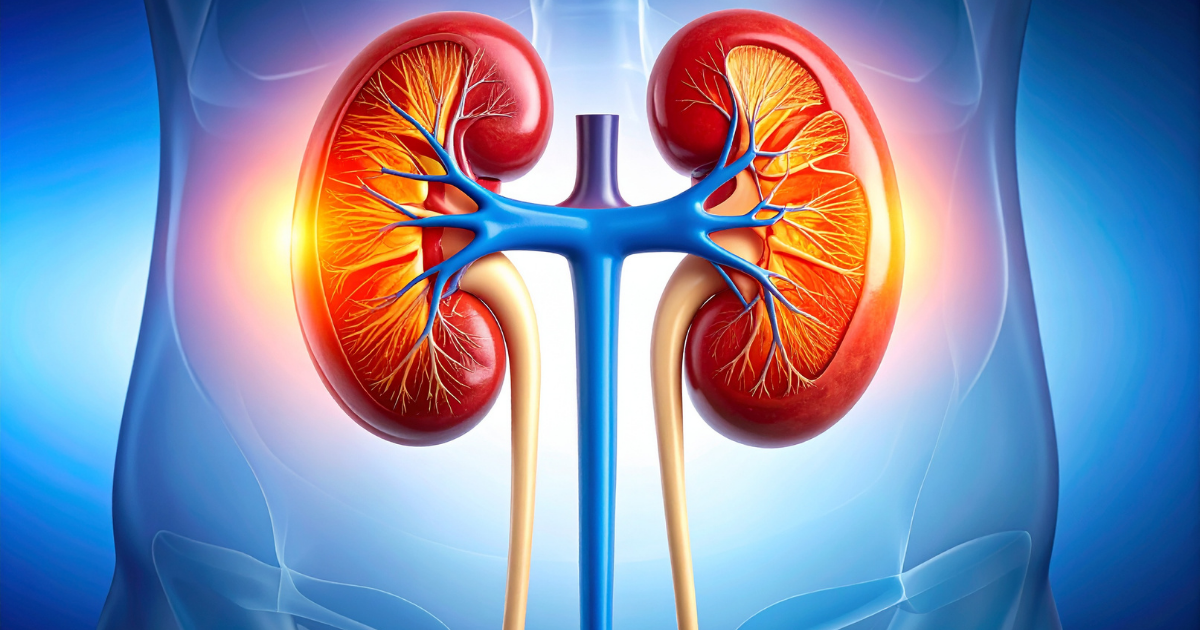
Lupus nephritis is one of the most serious complications of Systemic Lupus Erythematosus (SLE). It occurs when lupus-related inflammation affects the kidneys. What makes lupus nephritis particularly concerning is that kidney damage may sometimes develop without obvious symptoms, especially in the early stages.
A person may feel generally well and have no pain or noticeable urinary problems while changes are already occurring in kidney function or urine tests. This is why regular kidney monitoring is an important part of lupus care.
In this blog, we explain whether lupus nephritis can be silent, which tests can detect it, warning signs to watch for, and why early treatment matters.
What Is Lupus Nephritis?
Lupus is an autoimmune disease in which the immune system mistakenly attacks healthy tissues. When this immune activity affects the kidneys, it is known as lupus nephritis.
The kidneys perform several essential functions, including:
- Filtering waste products from the blood
- Removing excess fluid
- Helping control blood pressure
- Maintaining electrolyte balance
- Removing waste through urine
Inflammation caused by lupus can damage the kidney’s filtering units. Without proper monitoring and treatment, ongoing inflammation can lead to significant kidney damage.
Can Lupus Nephritis Be Silent?
Yes, it can.
One of the most important facts about lupus nephritis is that some patients may have few or no noticeable symptoms during the early stages.
Unlike some kidney conditions that cause obvious pain, lupus nephritis may develop quietly. A patient may not experience:
- Pain while urinating
- Back or kidney pain
- Significant swelling
- Major changes in daily activities
However, laboratory tests may show early signs of kidney involvement.
This is why people with lupus should not wait for symptoms before checking their kidney health.
How Can Kidney Damage Occur Without Symptoms?
The kidneys have a remarkable ability to continue functioning even when damage has started. Early inflammation may affect the microscopic filtering structures without causing noticeable changes in how a person feels.
For example, a patient may have:
- Protein in the urine
- Blood cells in the urine
- Increasing urine protein levels
- Changes in kidney function tests
without experiencing pain or other clear symptoms.
Regular monitoring helps identify these changes before more severe damage develops.
Silent Signs of Lupus Nephritis
Although lupus nephritis may initially cause no symptoms, medical tests can detect important warning signs.
1. Protein in the Urine
Healthy kidneys normally prevent significant amounts of protein from passing into urine.
Inflammation can damage the kidney filters and allow protein to leak into the urine. This condition is called proteinuria.
Proteinuria may not always be noticeable. Sometimes, urine may appear unusually foamy, but foamy urine alone does not confirm lupus nephritis.
A urine test is needed to determine whether significant protein is present.
2. Blood or Blood Cells in the Urine
Microscopic amounts of blood may be present without the urine appearing red or brown.
A routine urinalysis can identify:
- Red blood cells
- White blood cells
- Protein
- Cellular casts
These findings can provide important information about kidney inflammation.
3. Changes in Creatinine
Creatinine is a waste product measured through a blood test. It is commonly used to assess kidney function.
An increase in creatinine may indicate reduced kidney filtration. However, kidney inflammation can sometimes be present before major changes in creatinine occur.
This is another reason why normal creatinine alone does not rule out all kidney involvement.
4. High Blood Pressure
Kidney disease can contribute to high blood pressure.
Some people may not know they have high blood pressure because it often causes no symptoms. Regular blood pressure monitoring is therefore important for people with lupus.
Symptoms That May Develop Later
As lupus nephritis becomes more active or severe, symptoms may become noticeable.
These can include:
- Swelling in the feet or ankles
- Puffiness around the eyes
- Foamy urine
- Blood in the urine
- Weight gain due to fluid retention
- High blood pressure
- Reduced urine output
- Fatigue
However, the absence of these symptoms does not guarantee that the kidneys are unaffected.
Who Is at Risk of Lupus Nephritis?
Any person with systemic lupus may develop kidney involvement.
Risk depends on several factors, including:
- Overall lupus disease activity
- Previous kidney involvement
- Genetic and individual factors
- Severity of immune system activity
Because lupus nephritis can develop without obvious symptoms, regular monitoring should be discussed with a rheumatologist even when a patient feels well.
How Is Silent Lupus Nephritis Detected?
Regular screening is the best way to identify kidney involvement early.
Your doctor may recommend the following tests.
Urinalysis
A simple urine test can detect:
- Protein
- Blood cells
- Other abnormalities
It is one of the most important screening tools for kidney involvement.
Urine Protein Measurement
Your doctor may measure the amount of protein in the urine using tests such as a urine protein-to-creatinine ratio. This helps assess whether protein leakage is occurring and can also help monitor response to treatment.
Blood Tests
Blood tests may include:
- Serum creatinine
- Estimated kidney function
- Complement levels
- Anti-dsDNA antibodies
These results are interpreted together with symptoms and urine findings.
Kidney Biopsy
In selected cases, a kidney biopsy may be recommended.
During this procedure, a small kidney tissue sample is examined under a microscope.
A biopsy can help doctors:
- Confirm the type of kidney involvement
- Determine the severity of inflammation
- Guide treatment decisions
Not every person with lupus needs a kidney biopsy. The decision depends on individual clinical findings.
Why Early Detection Is Important
Early detection and treatment can help control inflammation before significant kidney damage occurs.
Without appropriate treatment, active lupus nephritis can increase the risk of:
- Chronic kidney disease
- Severe protein loss
- High blood pressure
- Reduced kidney function
- Kidney failure
The goal of treatment is not only to improve current symptoms but also to protect long-term kidney function.
Treatment Options for Lupus Nephritis
Treatment depends on the severity and type of kidney involvement.
A rheumatologist and nephrologist may work together to develop an individualized treatment plan.
Treatment may include:
Corticosteroids
These medicines can rapidly reduce inflammation but are generally used according to the individual’s condition and treatment plan because long-term exposure can cause side effects.
Immunosuppressive Medicines
Medicines such as mycophenolate or other immunosuppressive therapies may be used to control abnormal immune activity and protect the kidneys.
Other Lupus Treatments
Depending on the patient’s condition, treatment may also include medicines that help manage systemic lupus activity.
Blood Pressure and Kidney Protection
Controlling blood pressure and reducing protein leakage can be an important part of protecting kidney health.
Treatment should always be individualized. Never stop or change medications without consulting your healthcare professional.
How Often Should Lupus Patients Have Kidney Tests?
The frequency of testing depends on:
- Lupus activity
- Previous kidney problems
- Current treatment
- Blood and urine test results
Some patients may need more frequent monitoring than others.
Your rheumatologist can recommend an appropriate schedule based on your individual risk.
Can Lupus Nephritis Go Into Remission?
Yes. With early diagnosis and appropriate treatment, many patients can achieve partial or complete renal response, meaning kidney inflammation and protein loss improve significantly.
However, regular monitoring remains important because lupus nephritis can become active again in some patients.
Even when symptoms improve, follow-up appointments and laboratory tests should not be skipped.
How Can You Protect Your Kidneys?
While medication and medical monitoring are essential, healthy habits can also support kidney and overall health.
Follow your treatment plan
Take medicines exactly as prescribed.
Monitor blood pressure
High blood pressure can further damage the kidneys.
Avoid smoking
Smoking can negatively affect blood vessels and overall health.
Maintain a balanced diet
Diet recommendations may vary depending on kidney function, blood pressure, and other medical conditions.
Avoid unnecessary medicines and supplements
Some medicines and supplements can affect kidney function. Always inform your doctor about everything you are taking.
Attend regular follow-ups Routine urine and blood tests are one of the best ways to detect silent kidney problems early.
When Should You Contact Your Doctor?
Seek medical advice if you notice:
- New swelling around the eyes or legs
- Persistent foamy urine
- Blood-colored urine
- Reduced urine output
- Sudden weight gain from fluid retention
- Increasing blood pressure
- Symptoms of an active lupus flare
Do not wait for severe symptoms if you have lupus and are concerned about kidney involvement.
Final Thoughts
Yes, lupus nephritis can sometimes be silent. Kidney inflammation may begin before obvious symptoms such as swelling or urinary changes appear.
That is why regular urine tests, kidney function tests, blood pressure monitoring, and rheumatology follow-ups are essential for people living with systemic lupus.
Early detection can help doctors start appropriate treatment and reduce the risk of long-term kidney damage. If you have lupus, speak with your rheumatologist about how often your kidneys should be monitored.
Frequently Asked Questions (FAQs)
1. Can lupus nephritis occur without symptoms?
Yes. Some people may have protein or blood abnormalities in urine without noticeable symptoms.
2. Can a normal creatinine level rule out lupus nephritis?
Not always. Early kidney involvement may be detected through urine tests and other clinical findings even when creatinine is normal.
3. Is foamy urine always a sign of lupus nephritis?
No. Foamy urine can occur for several reasons. Persistent foamy urine should be evaluated with a urine test.
4. Can lupus nephritis be treated successfully?
Many patients respond well to appropriate treatment, and kidney inflammation can improve significantly. Outcomes vary depending on the type and severity of disease.
5. Why are regular urine tests important in lupus?
Urine tests can detect protein and blood abnormalities that may indicate kidney involvement before obvious symptoms develop.