
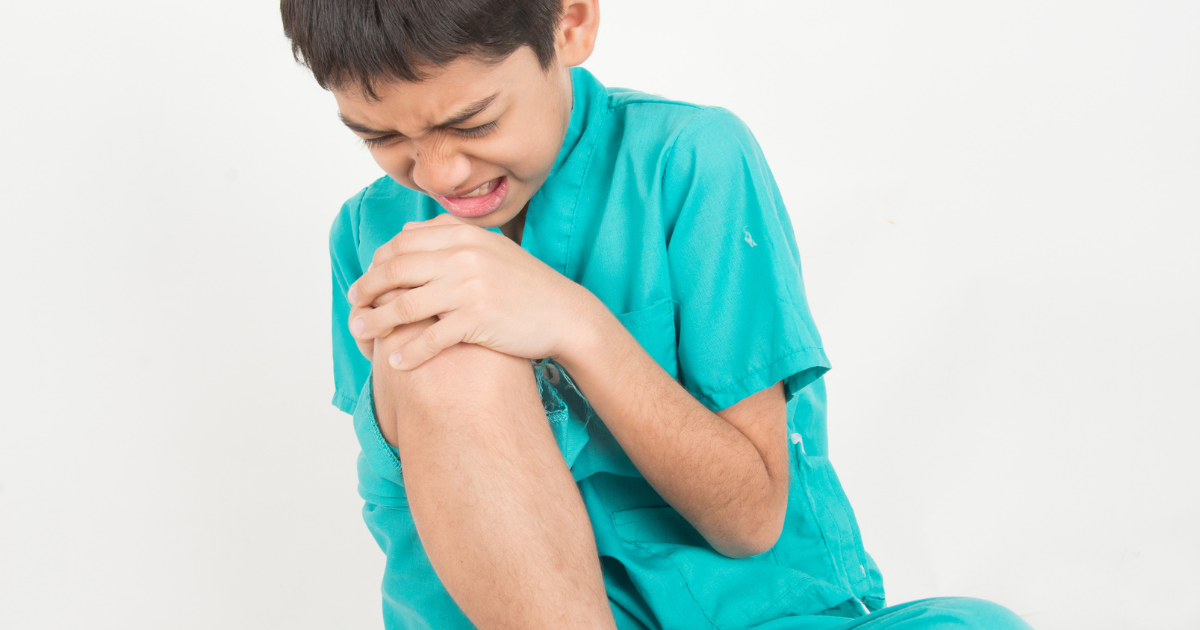
When people hear the word arthritis, they often think of joint problems in older adults. However, arthritis can also affect children. Juvenile arthritis, more accurately called Juvenile Idiopathic Arthritis (JIA), is a group of inflammatory conditions that can affect children younger than 16 years.
Juvenile arthritis can cause joint pain, swelling, stiffness, fatigue, and difficulty with movement. However, not every child experiences the condition in the same way. There are different types of juvenile arthritis, and each type can have different symptoms, patterns, and treatment needs.
Understanding the different types of juvenile arthritis can help parents recognize warning signs early and seek appropriate medical care.
What Is Juvenile Idiopathic Arthritis?
Juvenile Idiopathic Arthritis (JIA) is a chronic inflammatory condition in which the immune system mistakenly attacks healthy tissues, particularly the joints. The word “idiopathic” means that the exact cause is not known.
JIA is not simply a result of physical activity, sports injuries, or growing pains. It involves inflammation that can persist for several weeks or longer.
Some children may have arthritis affecting only a few joints, while others may have inflammation in many joints or symptoms involving other parts of the body.
Early diagnosis and appropriate treatment are important because uncontrolled inflammation can affect joint function, growth, physical activity, and overall quality of life.
What Are the Different Types of Juvenile Arthritis?
The International League of Associations for Rheumatology (ILAR) traditionally classified JIA into seven categories. These include:
- Oligoarticular JIA
- Polyarticular JIA, rheumatoid factor negative
- Polyarticular JIA, rheumatoid factor positive
- Systemic JIA
- Enthesitis-related arthritis
- Psoriatic arthritis
- Undifferentiated arthritis
Let’s understand each type in simple language.
1. Oligoarticular Juvenile Arthritis
Oligoarticular JIA is the most common type of juvenile arthritis. It affects a relatively small number of joints, typically four or fewer during the early months of the disease.
The knees and ankles are commonly affected.
Common symptoms include:
- Joint swelling
- Morning stiffness
- Limping
- Reduced movement
- Joint pain, although pain may sometimes be mild
One important concern with oligoarticular JIA is uveitis, an inflammation inside the eye. Eye inflammation may develop without obvious symptoms, so children with JIA may need regular eye screening.
Oligoarticular JIA may remain limited to a few joints or later involve additional joints.
2. Polyarticular JIA – Rheumatoid Factor Negative
Polyarticular JIA affects five or more joints during the first six months of disease.
When the rheumatoid factor (RF) blood test is negative, it is classified as RF-negative polyarticular JIA.
It can affect:
- Knees
- Wrists
- Ankles
- Elbows
- Small joints of the hands and feet
Children may experience joint swelling, stiffness, fatigue, and difficulty performing everyday activities.
Because multiple joints can be affected, early treatment is important to help maintain mobility and prevent long-term joint problems.
3. Polyarticular JIA – Rheumatoid Factor Positive
This form also affects five or more joints, but the child has a positive rheumatoid factor test on appropriate repeated testing.
RF-positive polyarticular JIA is less common in children and shares some characteristics with rheumatoid arthritis seen in adults.
It commonly affects multiple joints, often in a symmetrical pattern. For example, both wrists or both sides of the body may be affected.
Children with this form may have a higher risk of persistent joint inflammation and joint damage, making regular monitoring and appropriate treatment particularly important.
4. Systemic Juvenile Idiopathic Arthritis
Systemic JIA can affect the entire body rather than only the joints.
One of its most noticeable symptoms is a high, recurring fever. The fever may occur along with a temporary skin rash.
Other symptoms may include:
- Joint pain or swelling
- Fatigue
- Muscle aches
- Swollen lymph nodes
- Enlarged liver or spleen
- Inflammation around the heart or lungs in some children
Joint symptoms may appear at the same time as systemic symptoms or develop later.
Systemic JIA can sometimes become a serious inflammatory illness. Therefore, a child with persistent unexplained fever and other symptoms should be medically evaluated promptly.
5. Enthesitis-Related Arthritis
Enthesitis-related arthritis (ERA) affects joints as well as the areas where tendons or ligaments attach to bones. These attachment points are called entheses.
It commonly affects:
- Knees
- Ankles
- Hips
- Feet
Children may experience pain around the heel or bottom of the foot because of inflammation at tendon attachment sites.
Lower back or buttock pain may also occur, particularly in older children and adolescents.
This type of juvenile arthritis is more common in boys and may be associated with inflammation involving the spine or sacroiliac joints.
6. Juvenile Psoriatic Arthritis
Juvenile psoriatic arthritis is arthritis that occurs in children who have psoriasis or certain features associated with psoriasis.
Symptoms can include:
- Swollen joints
- Joint stiffness
- Finger or toe swelling
- Nail changes
- Skin psoriasis
Sometimes arthritis symptoms develop before the characteristic skin rash appears.
A family history of psoriasis can also be an important clue.
Because psoriasis can affect the skin and nails while arthritis affects the joints, children may need care involving more than one healthcare specialist.
7. Undifferentiated Juvenile Arthritis
Some children have symptoms that do not fit neatly into one of the other categories or meet the criteria for more than one category.
These cases are generally referred to as undifferentiated arthritis.
This does not mean that the child’s symptoms are less real or less important. It simply means that the pattern does not fit clearly into another JIA category based on the classification criteria.
The child’s symptoms, examination findings, laboratory results, and disease progression are monitored to guide management.
How Do the Types of Juvenile Arthritis Differ?
Although all forms of JIA involve inflammation, they can differ in several ways.
| Type | Main Feature |
| Oligoarticular JIA | Four or fewer joints affected initially |
| RF-negative polyarticular JIA | Five or more joints affected; RF negative |
| RF-positive polyarticular JIA | Five or more joints affected; RF positive |
| Systemic JIA | Fever and whole-body inflammation |
| Enthesitis-related arthritis | Arthritis with inflammation at tendon/ligament attachment sites |
| Juvenile psoriatic arthritis | Arthritis associated with psoriasis-related features |
| Undifferentiated arthritis | Does not fit clearly into another category |
These categories help doctors understand disease patterns and guide treatment, but individual children can experience symptoms differently.
What Are the Common Symptoms of Juvenile Arthritis?
Regardless of the specific type, parents should watch for symptoms such as:
- Persistent joint swelling
- Morning stiffness
- Joint pain
- Limping
- Reduced physical activity
- Difficulty moving a joint
- Fatigue
- Unexplained fever
- Skin rash
- Eye redness or vision changes
Not every child will experience all these symptoms.
Juvenile Arthritis vs Growing Pains
Growing pains are common during childhood, but they are different from inflammatory arthritis.
Growing pains generally occur in the muscles of the legs, often later in the day or at night, without persistent joint swelling or morning stiffness.
Juvenile arthritis may cause morning stiffness, swollen joints, persistent symptoms, limping, and reduced movement.
If a child’s symptoms continue for several weeks or interfere with normal activities, parents should consult a healthcare professional.
How Is Juvenile Arthritis Diagnosed?
There is no single test that can diagnose every type of juvenile arthritis.
A doctor may evaluate:
- Medical and family history
- Joint symptoms and duration
- Physical examination
- Blood tests
- Inflammatory markers such as ESR and CRP
- ANA and rheumatoid factor when appropriate
- Imaging such as ultrasound, X-ray, or MRI
The diagnosis is based on the overall clinical picture rather than one blood test.
How Is Juvenile Arthritis Treated?
Treatment depends on the type and severity of JIA.
Depending on the child’s needs, treatment may include:
- Nonsteroidal anti-inflammatory medicines
- Disease-modifying antirheumatic drugs (DMARDs)
- Biologic medicines
- Corticosteroids in selected situations
- Physical therapy
- Regular exercise and stretching
- Eye examinations when indicated
The goal is to control inflammation, protect joints, maintain mobility, and support normal growth and development.
Why Early Diagnosis Matters
Untreated inflammation can affect a child’s joints and daily activities. Some types of JIA can also affect the eyes or other organs.
Early diagnosis can help doctors:
- Control inflammation
- Reduce pain and stiffness
- Protect joint function
- Reduce the risk of complications
- Support normal physical development
- Help children remain active
Parents should not ignore persistent joint swelling, morning stiffness, unexplained fever, or changes in their child’s normal activity.
When Should Parents See a Doctor?
Seek medical advice if your child has:
- Joint swelling that does not go away
- Morning stiffness lasting repeatedly
- Persistent joint pain
- Unexplained limping
- Recurring fever
- Unusual fatigue
- Difficulty participating in normal activities
- Eye redness, pain, light sensitivity, or vision changes
Early evaluation is especially important when several of these symptoms occur together.
Conclusion
There are several types of juvenile arthritis, and each has its own pattern of symptoms and potential complications. From oligoarticular and polyarticular JIA to systemic JIA, enthesitis-related arthritis, juvenile psoriatic arthritis, and undifferentiated arthritis, understanding these conditions can help parents recognize warning signs.
Juvenile arthritis is a chronic condition, but effective treatments are available. With early diagnosis, appropriate treatment, regular monitoring, and support from healthcare professionals, many children with JIA can remain active and enjoy a good quality of life.
If your child has persistent joint swelling, morning stiffness, unexplained fever, limping, or other concerning symptoms, consult a qualified rheumatologist for proper evaluation.
Frequently Asked Questions About Juvenile Arthritis
1. How many types of juvenile arthritis are there?
Traditionally, Juvenile Idiopathic Arthritis has been classified into seven categories: oligoarticular, RF-negative polyarticular, RF-positive polyarticular, systemic, enthesitis-related, psoriatic, and undifferentiated arthritis.
2. What is the most common type of juvenile arthritis?
Oligoarticular JIA is traditionally considered the most common subtype. It initially affects a small number of joints, often the knees or ankles.
3. Can juvenile arthritis affect a child’s eyes?
Yes. Some children with JIA can develop uveitis, an inflammation inside the eye. Regular eye screening may be recommended even when the child has no obvious eye symptoms.
4. Is juvenile arthritis the same as adult arthritis?
No. Juvenile arthritis begins during childhood and includes several different disease patterns. Its symptoms, classification, treatment, and long-term management can differ from arthritis in adults.
5. Can children with juvenile arthritis live a normal life?
With early diagnosis, appropriate treatment, regular monitoring, and healthy lifestyle habits, many children with juvenile arthritis can participate in school, sports, and everyday activities.
6. Can juvenile arthritis go into remission?
Yes. Some children experience periods when their disease becomes inactive or goes into remission. The course varies depending on the type of JIA and the individual child.