
Introduction
If you have Ankylosing Spondylitis (AS), you’ve probably heard that Vitamin D is important for bone health. But can it actually help reduce AS symptoms like back pain, stiffness, or inflammation?
Vitamin D has gained significant attention in recent years because of its role in supporting the immune system, reducing inflammation, and maintaining strong bones. Since Ankylosing Spondylitis is a chronic inflammatory disease that can affect both the spine and bone health, many patients wonder whether increasing their Vitamin D intake can improve their condition.
While Vitamin D is not a cure for Ankylosing Spondylitis, maintaining healthy Vitamin D levels may support overall bone health and may be beneficial as part of a comprehensive treatment plan.
In this blog, we’ll explore the connection between Vitamin D and Ankylosing Spondylitis, the latest research, symptoms of deficiency, food sources, supplements, and when you should get your Vitamin D levels checked.
What Is Vitamin D?
Vitamin D is a fat-soluble vitamin that helps the body:
- Absorb calcium and phosphorus
- Build and maintain strong bones
- Support muscle function
- Strengthen the immune system
- Regulate inflammatory responses
Unlike most vitamins, Vitamin D is naturally produced by the skin when exposed to sunlight. It is also found in certain foods and dietary supplements.
Why Is Vitamin D Important for People with Ankylosing Spondylitis?
People with Ankylosing Spondylitis may have an increased risk of Vitamin D deficiency, which can affect both bone strength and overall health.
Vitamin D is particularly important because AS can:
- Increase the risk of osteoporosis
- Reduce bone mineral density
- Increase fracture risk
- Affect posture and spinal health
- Limit outdoor activity due to pain and stiffness, leading to less sun exposure
Maintaining adequate Vitamin D levels helps support healthy bones, especially in people living with chronic inflammatory conditions.
Can Vitamin D Reduce Ankylosing Spondylitis Symptoms?
This is one of the most common questions among AS patients.
Current research suggests that Vitamin D alone does not treat Ankylosing Spondylitis, but maintaining normal Vitamin D levels may offer several potential benefits.
Some studies have found that people with lower Vitamin D levels may experience:
- Increased disease activity
- More severe back pain
- Greater stiffness
- Higher levels of inflammation
However, research results are mixed. While some studies suggest a link between Vitamin D deficiency and worse AS symptoms, others have not found a direct relationship.
The current understanding is that Vitamin D should be viewed as supportive care rather than a replacement for prescribed medications or physical therapy.
Signs of Vitamin D Deficiency
Vitamin D deficiency is common and often goes unnoticed.
Symptoms may include:
- Bone pain
- Muscle weakness
- Fatigue
- Frequent infections
- Difficulty walking
- Increased risk of fractures
These symptoms may overlap with Ankylosing Spondylitis, making blood testing important if deficiency is suspected.
Why Are AS Patients More Likely to Have Vitamin D Deficiency?
Several factors may contribute:
Reduced Outdoor Activity
Pain and stiffness may discourage outdoor exercise, resulting in less sunlight exposure.
Chronic Inflammation
Long-term inflammation may influence Vitamin D metabolism.
Limited Mobility
Reduced physical activity may affect overall health and nutritional status.
Dietary Factors
Some individuals may not consume enough Vitamin D-rich foods.
Best Natural Sources of Vitamin D
Getting Vitamin D naturally is often the best approach.
Sunlight
The skin produces Vitamin D when exposed to sunlight.
Depending on your skin type and local climate, 10–30 minutes of sunlight exposure several times a week may be sufficient for many people. However, this varies by season, location, and individual factors.
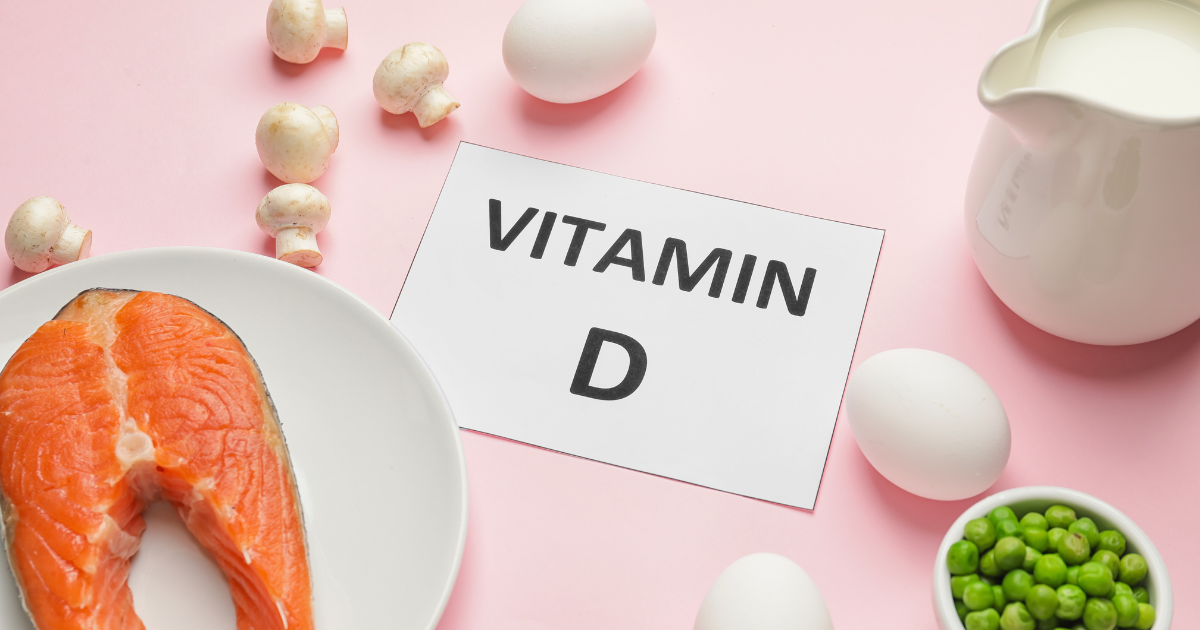
Foods Rich in Vitamin D
Include foods such as:
- Fatty fish (salmon, sardines, mackerel)
- Egg yolks
- Fortified milk
- Fortified yogurt
- Fortified cereals
- Mushrooms exposed to UV light
A balanced diet helps support overall health but may not always provide enough Vitamin D on its own.
Should You Take Vitamin D Supplements?
Vitamin D supplements may be recommended if a blood test confirms deficiency or if your doctor believes you are at risk.
Do not start high-dose Vitamin D supplements without medical advice. Excess Vitamin D can cause health problems, including high calcium levels and kidney complications.
Your doctor may recommend supplements based on:
- Blood test results
- Age
- Bone health
- Osteoporosis risk
- Current medications
Can Vitamin D Prevent Bone Loss in Ankylosing Spondylitis?
People with AS have a higher risk of osteoporosis because chronic inflammation can weaken bones.
Adequate Vitamin D, combined with calcium, weight-bearing exercise, and appropriate treatment, helps maintain bone strength and reduce the risk of fractures.
However, Vitamin D alone cannot prevent bone loss if inflammation remains uncontrolled.
Other Ways to Manage Ankylosing Spondylitis
Vitamin D is only one part of effective AS management.
A comprehensive treatment plan may include:
Medications
- NSAIDs
- Biologic therapies
- Other medications prescribed by your rheumatologist
Regular Exercise
Activities such as:
- Stretching
- Walking
- Swimming
- Yoga
- Physical therapy
help maintain flexibility and improve posture.
Healthy Lifestyle
- Avoid smoking
- Maintain a healthy weight
- Eat a balanced diet
- Get adequate sleep
- Manage stress
These habits support overall health and may improve quality of life.
When Should You Get Your Vitamin D Levels Checked?
Your doctor may recommend a Vitamin D blood test if you:
- Have persistent fatigue
- Experience frequent fractures
- Have osteoporosis
- Spend very little time outdoors
- Have symptoms of Vitamin D deficiency
- Have Ankylosing Spondylitis with ongoing bone health concerns
Testing helps determine whether supplementation is needed.
What Does Current Research Say?
Recent studies suggest that Vitamin D deficiency is relatively common in people with Ankylosing Spondylitis. Researchers continue to investigate whether correcting deficiency can improve disease activity.
While maintaining healthy Vitamin D levels is important for bone and immune health, there is currently no strong evidence that Vitamin D supplements alone can control AS inflammation or replace standard medical treatment.
Experts recommend correcting deficiency as part of comprehensive care rather than relying on Vitamin D as a standalone therapy.
Conclusion
Vitamin D plays an essential role in maintaining strong bones, supporting the immune system, and promoting overall health. For people with Ankylosing Spondylitis, maintaining healthy Vitamin D levels is especially important because the disease can increase the risk of osteoporosis and fractures.
Although Vitamin D is not a cure for Ankylosing Spondylitis, correcting a deficiency may support bone health and overall well-being. The best approach is to combine adequate Vitamin D with prescribed medications, regular exercise, physical therapy, and a healthy lifestyle.
If you think you may have low Vitamin D levels, speak with your rheumatologist about testing and the most appropriate treatment for your individual needs.
Frequently Asked Questions (FAQs)
1. Can Vitamin D cure Ankylosing Spondylitis?
No. Vitamin D cannot cure AS, but maintaining healthy levels supports bone health and overall wellness.
2. Should every AS patient take Vitamin D supplements?
Not necessarily. Supplements should only be taken if recommended by a doctor after evaluating your Vitamin D levels and overall health.
3. Can Vitamin D deficiency make Ankylosing Spondylitis worse?
Low Vitamin D levels may be associated with poorer bone health and may contribute to worse symptoms in some people, but it is not the direct cause of AS.
4. What foods are rich in Vitamin D?
Fatty fish, egg yolks, fortified dairy products, fortified cereals, and UV-exposed mushrooms are good dietary sources of Vitamin D.
5. How can I naturally increase my Vitamin D levels?
Safe sunlight exposure, a balanced diet rich in Vitamin D, and supplements (when prescribed) can help maintain healthy Vitamin D levels.