

Introduction
Vasculitis is a condition that causes inflammation of blood vessels, affecting blood flow to different organs. The challenge with vasculitis is that its early symptoms are often mild, vague, and easily ignored. Many people mistake these warning signs for common illnesses like fatigue, infections, or minor allergies.
Recognizing the early signs of vasculitis is crucial. Early diagnosis can help prevent serious complications such as organ damage, nerve issues, or even life-threatening conditions.
Why Early Detection Matters
When vasculitis is left untreated, the inflammation can damage blood vessels, leading to reduced oxygen supply to vital organs like the kidneys, lungs, brain, and heart. Detecting symptoms early allows for timely treatment and better outcomes.
5 Early Signs of Vasculitis Most People Ignore
1. Persistent Fatigue and Weakness
Feeling tired occasionally is normal, but constant fatigue without a clear reason may be an early sign of vasculitis.
- You may feel drained even after proper rest
- Daily activities become difficult
- Often accompanied by low energy and weakness
This happens because inflammation affects blood circulation and energy levels.
2. Unexplained Fever
A low-grade fever that comes and goes is another early symptom often overlooked.
- No clear infection detected
- Fever may persist for days or weeks
- May be associated with body aches
This is your immune system reacting abnormally and causing inflammation.
3. Skin Changes (Rashes or Purple Spots)
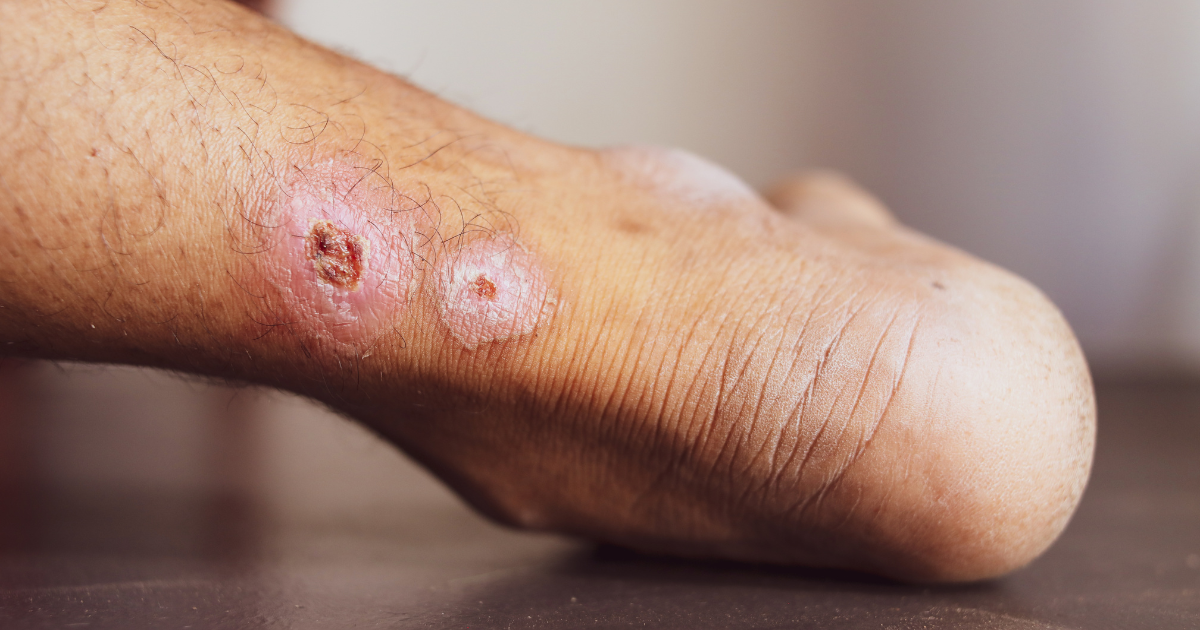
Skin is one of the first areas where vasculitis symptoms may appear.
- Red or purple spots (purpura)
- Rashes that do not fade on pressing
- Small bruises without injury
These changes occur due to inflammation and leakage in small blood vessels under the skin.
4. Joint and Muscle Pain
Many patients experience mild joint or muscle pain in the early stages.
- Pain in knees, ankles, wrists, or elbows
- Muscle soreness without heavy activity
- Stiffness, especially in the morning
These symptoms are often mistaken for arthritis or general body pain.
5. Numbness or Tingling Sensation
Vasculitis can affect nerves, leading to unusual sensations.
- Tingling or “pins and needles” feeling
- Numbness in hands or feet
- Weak grip or difficulty walking (in advanced cases)
This occurs when inflamed blood vessels reduce blood supply to nerves.
Other Symptoms You Should Not Ignore
Along with the above signs, watch for:
- Unexplained weight loss
- Shortness of breath
- Blood in urine
- Frequent headaches
- Vision problems
These may indicate that vasculitis is affecting internal organs.
When Should You See a Doctor?
You should consult a doctor if:
- Symptoms persist for more than a few weeks
- Multiple symptoms appear together
- Pain or fatigue interferes with daily life
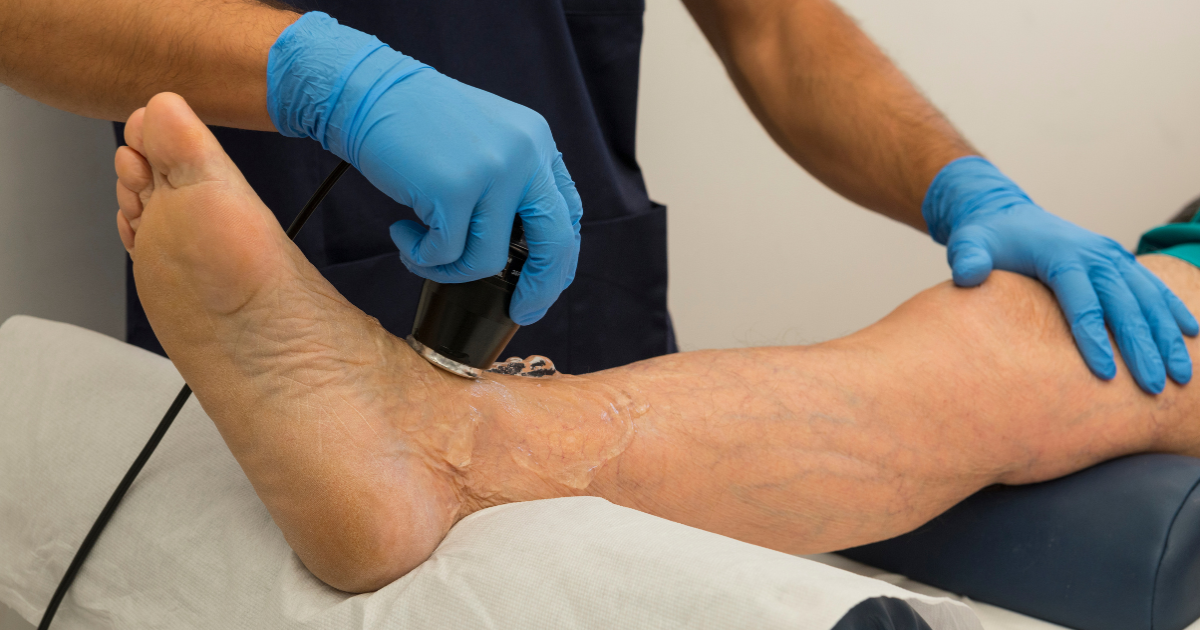
Early evaluation may include:
- Blood tests (ESR, CRP, ANCA)
- Urine tests
- Imaging (CT/MRI)
Biopsy (if required)
Treatment and Management
Early treatment focuses on reducing inflammation and preventing complications:
- Corticosteroids
- Immunosuppressive medications
- Biologic therapies (in severe cases)
Lifestyle support also plays a role:
- Anti-inflammatory diet
- Regular low-impact exercise
- Stress management
- Adequate sleep
Conclusion
The early signs of vasculitis are often subtle but should never be ignored. Symptoms like persistent fatigue, unexplained fever, skin changes, joint pain, and numbness may seem minor but can indicate an underlying serious condition.
Being aware of these warning signs and seeking medical attention early can help prevent complications and improve quality of life.
FAQs
Q. Are early symptoms of vasculitis always severe?
No, early symptoms are often mild and easily mistaken for common health issues.
Q. Can vasculitis go unnoticed for months?
Yes, many patients are diagnosed late because symptoms are vague and develop gradually.
Q. Is vasculitis treatable if detected early?
Yes, early diagnosis and treatment can effectively control the disease and prevent complications.