
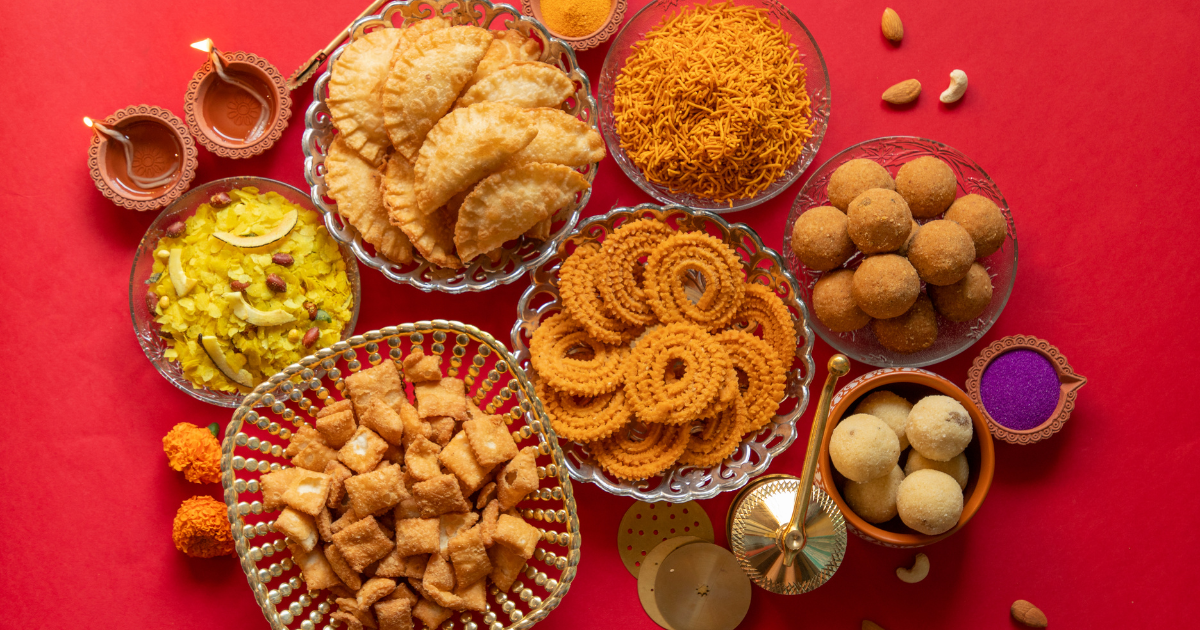
Indian festivals are a time for family gatherings, celebrations, traditional meals, sweets, snacks, and social events. From Diwali and Navratri to Holi, Janmashtami and Makar Sankranti, food is an important part of almost every celebration.
But for people living with gout, festival eating can sometimes become challenging.
Festive meals may include sweets, fried snacks, rich gravies, large portions of meat, sugary drinks, and sometimes alcohol. Changes in meal timing, fasting, dehydration, travel, and missed medications can also affect gout control.
The good news is that having gout does not mean you have to avoid festivals or give up every festive food. With a few practical choices, you can enjoy celebrations while taking care of your joints.
Why Can Festivals Be Challenging for People With Gout?
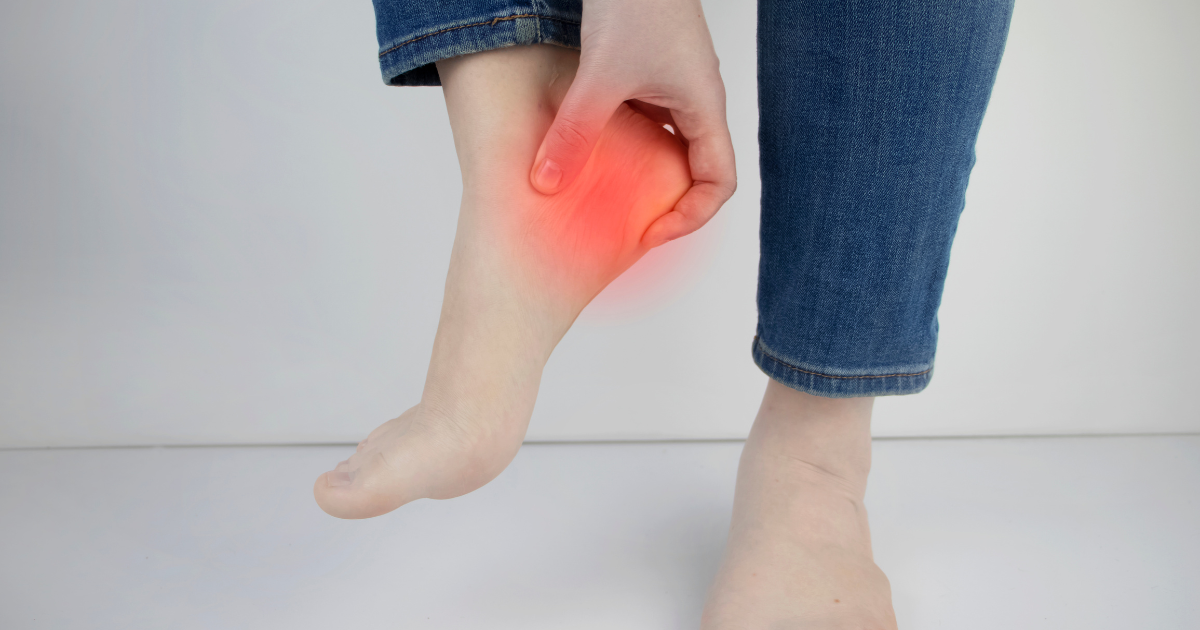
Gout occurs when uric acid remains elevated and forms crystals inside joints. These crystals can cause sudden episodes of severe pain, swelling, redness, and warmth.
During festivals, several habits can come together and potentially increase the risk of a flare.
Eating More Than Usual
Festival meals often involve repeated snacking, large portions, sweets, fried foods, and rich dishes.
Occasionally eating a particular food does not automatically cause a gout attack, but repeatedly overeating foods that are high in purines, sugar, or calories may make gout management more difficult.
Drinking Less Water
Busy schedules, travelling, attending functions, and fasting can make people forget to drink enough water.
Dehydration can contribute to higher uric acid concentrations and may make gout more difficult to control.
Alcohol Consumption
Alcohol can increase the risk of gout attacks, particularly when consumed in larger amounts.
Beer and spirits are particularly relevant, while overall alcohol intake is best discussed with your doctor if you have recurrent gout.
Changes in Meal Timing
Festivals may involve late-night meals, skipped meals, fasting, or irregular eating patterns.
Sudden dietary changes and extreme fasting or crash dieting can affect uric acid levels in some people.
Forgetting Medication
When your daily routine changes during festivals, it is easy to miss regular medicines.
People taking long-term urate-lowering treatment should not stop or change their medication without medical advice.
What Can You Eat During Indian Festivals If You Have Gout?
The goal is not to create a completely separate festival menu. Instead, make smarter choices and control portions.
Choose More Vegetables
Vegetables can make up a significant part of your festive meal.
Options such as:
- Bottle gourd
- Ridge gourd
- Carrot
- Cabbage
- Cauliflower
- Okra
- Eggplant
- Cucumber
- Tomato
- Green leafy vegetables
can be included as part of a balanced diet.
The presence of purines in some vegetables does not mean they need to be completely avoided. Plant-based foods generally do not carry the same gout risk as purine-rich meats and seafood.
Include Low-Fat Dairy
Milk and yogurt can be useful protein sources for people with gout.
During festivals, plain yogurt or a lightly prepared yogurt-based dish can be a better everyday choice than repeatedly eating rich, fried foods.
Choose options with less added sugar when possible.
Choose Whole Fruits
Festivals often mean more sweets, but fruit can provide a naturally sweet alternative.
You can include fruits such as:
- Apple
- Orange
- Guava
- Papaya
- Watermelon
- Pear
Eating whole fruit is generally preferable to drinking fruit juice because whole fruit provides fibre and usually results in slower sugar consumption.
Can You Eat Sweets If You Have Gout?
This is one of the most common questions during Indian festivals.
You do not necessarily have to completely avoid every sweet.
The important point is portion control and frequency.
Try these simple strategies:
- Take a small portion rather than several pieces.
- Avoid eating sweets repeatedly throughout the day.
- Choose fruit instead of sweets for some snacks.
- Avoid combining sweets with sugary beverages.
- Be particularly careful with sweetened drinks and foods containing large amounts of added sugar.
High intake of fructose-containing sugary foods and beverages can contribute to higher uric acid levels.
So, enjoying one small piece of festive sweet is very different from continuously snacking on sweets throughout the day.
What About savory snacks and Fried Festival Snacks?
Indian festivals often bring foods such as:
- Fafda
- Gathiya
- Bhajiya
- Samosa
- Kachori
- Chakli
- Chivda
- Other deep-fried snacks
These foods are not necessarily direct gout triggers simply because they are fried. However, they can be high in calories, fat, and salt, and eating large quantities can make overall weight and metabolic health harder to manage.
Instead of completely avoiding them, focus on moderation.
A simple rule:
Taste the snack rather than making it the main meal.
Choose a small portion and balance it with vegetables, yogurt, or other lighter foods.
Which Festive Foods Should Gout Patients Limit?
People with gout should be particularly careful with foods that are high in purines.
These include:
- Organ meats such as liver and kidney
- Large portions of red meat
- Certain seafood
- Meat extracts
- Some concentrated meat broths
If you eat meat during a festival, portion size matters.
Having a large serving of several meat-based dishes in one meal is very different from having a moderate portion as part of a balanced meal.
What About Alcohol During Festivals?
Alcohol deserves special attention.
Alcohol can interfere with uric acid handling and is associated with an increased risk of gout attacks.
Festival celebrations can sometimes involve more alcohol than usual, especially during parties and social gatherings.
If you have recurrent gout, avoiding alcohol is the safest approach.
If you choose to drink, discuss your individual risk with your doctor, particularly if you are taking gout medication or have kidney disease.
What If You Are Fasting During a Festival?
Fasting is common during festivals such as Navratri, Mahashivratri, Ekadashi, and other religious occasions.
If you have gout, fasting needs some planning.
Long periods without food, severe calorie restriction, dehydration, or rapid weight loss can affect uric acid levels.
If you plan to fast:
- Maintain adequate fluid intake if medically appropriate.
- Avoid prolonged dehydration.
- Do not follow extreme calorie restriction.
- Avoid repeatedly eating large quantities of fried fasting foods.
- Do not change your medicines on your own.
- Speak with your doctor if you have frequent gout attacks, kidney disease, diabetes, or other medical conditions.
People with certain medical conditions may need individualized advice before fasting.
Hydration Is Especially Important During Festivals
One of the easiest gout-friendly habits during festivals is simply remembering to drink water regularly.
Travel, shopping, religious events, late-night celebrations, and family gatherings can make it easy to forget.
Your exact fluid requirement depends on your health and activity level. People with certain heart or kidney conditions may need fluid restrictions, so they should follow their doctor’s advice.
Instead of relying heavily on sugary beverages, make plain water your main drink.
Do Not Stop Your Gout Medication for the Festival
Festivals can disrupt normal routines, but your gout treatment should not be changed casually.
If you are taking long-term urate-lowering medication, do not stop it simply because your symptoms have improved or because you are travelling.
Similarly, do not increase or decrease the dose without medical guidance.
If you are unsure about your medicines before a festival trip, speak with your doctor in advance.
Eating Out During Festival Celebrations
Restaurants, family functions, and community celebrations are common during Indian festivals.
You can still make practical choices.
When eating outside:
- Choose vegetable-based dishes more often.
- Prefer grilled, steamed, or lightly cooked foods over heavily fried options.
- Keep portions moderate.
- Limit large servings of red meat.
- Avoid organ meats.
- Choose water instead of sugary beverages.
- Avoid or limit alcohol.
- Do not arrive extremely hungry and then eat very quickly.
A little planning can prevent one large festive meal from becoming an entire day of overeating.
What If a Gout Attack Starts During a Festival?
Do not ignore sudden severe joint pain simply because you have been eating festive food.
A gout flare may cause:
- Sudden severe joint pain
- Swelling
- Redness
- Warmth
- Extreme tenderness
The big toe is commonly affected, but gout can also involve the ankle, knee, foot, wrist, fingers, or other joints.
If you have previously been diagnosed with gout, follow the flare-treatment plan given by your doctor.
If you have never experienced gout before and suddenly develop a hot, swollen, extremely painful joint, seek medical evaluation rather than assuming it is gout.
A Simple Festival Plate for People With Gout
You do not need a complicated diet during festivals.
A balanced plate can include:
Choose more often:
- Vegetables
- Whole grains in appropriate portions
- Yogurt
- Fresh fruit
- Suitable protein sources
- Water
Keep moderate:
- Sweets
- Fried snacks
- Rich gravies
- Large portions of meat
- Sugary beverages
Limit or avoid, especially if you have recurrent flares:
- Organ meats
- Large amounts of red meat
- Certain high-purine seafood
- Alcohol
- Excessively sugary drinks
7 Simple Festival Rules for Gout Patients
1. Keep drinking water
Do not wait until you feel very thirsty.
2. Control portions
Festival food can be enjoyed without eating large quantities.
3. Limit sweets
Enjoy a small portion instead of repeatedly snacking on sweets.
4. Be careful with meat-heavy meals
Especially avoid organ meats and very large portions of red meat.
5. Avoid alcohol if you have recurrent gout
Alcohol can increase the risk of flares.
6. Keep your medication routine
Do not stop or change gout medication without medical advice.
7. Return to your normal routine
After the celebration, return to your usual balanced diet, physical activity, hydration, and treatment plan.
Can You Enjoy Festivals With Gout?
Absolutely.
Gout management is not about making every celebration stressful or refusing every traditional food. It is about understanding which choices matter most and avoiding excess.
You can enjoy a small serving of your favourite sweet, eat a balanced festive meal, stay hydrated, and spend time with family without making food restrictions the centre of the celebration.
However, if you have frequent gout attacks, dietary changes alone may not be enough. Long-term uric acid control and appropriate medical treatment are important for preventing recurrent attacks and protecting joints.
Frequently Asked Questions
Can I eat sweets during Indian festivals if I have gout?
Small portions of sweets can usually be included, but frequent consumption and large amounts of added sugar should be avoided. Sugary beverages deserve particular attention.
Can fasting trigger a gout attack?
Fasting, especially when combined with dehydration, severe calorie restriction, or rapid weight loss, may affect uric acid levels. People with recurrent gout should discuss fasting with their doctor.
Is fried festive food bad for gout?
Fried foods are not necessarily direct gout triggers, but eating large amounts can contribute to excess calories and weight gain. Portion control is important.
Can I eat meat during festivals if I have gout?
You may need to limit high-purine meats, especially organ meats and large portions of red meat. Your individual diet should depend on your gout history and overall health.
Can alcohol trigger gout during festivals?
Yes. Alcohol is associated with an increased risk of gout attacks. People with recurrent gout are generally advised to avoid it.
Should I stop my gout medicine during festivals?
No. Do not stop or change long-term gout medication without medical advice.
What is the most important thing to remember during festivals?
Think about moderation, hydration, medication consistency, and overall balance. One festive meal does not need to become a week of overeating.
Final Takeaway
Indian festivals are meant to be enjoyed—not feared because of gout.
Make smarter food choices, control portions, stay adequately hydrated, limit alcohol and sugary drinks, be careful with high-purine foods, and continue your prescribed treatment.
You do not have to choose between celebrating your festival and protecting your joints. With the right balance, you can do both.