
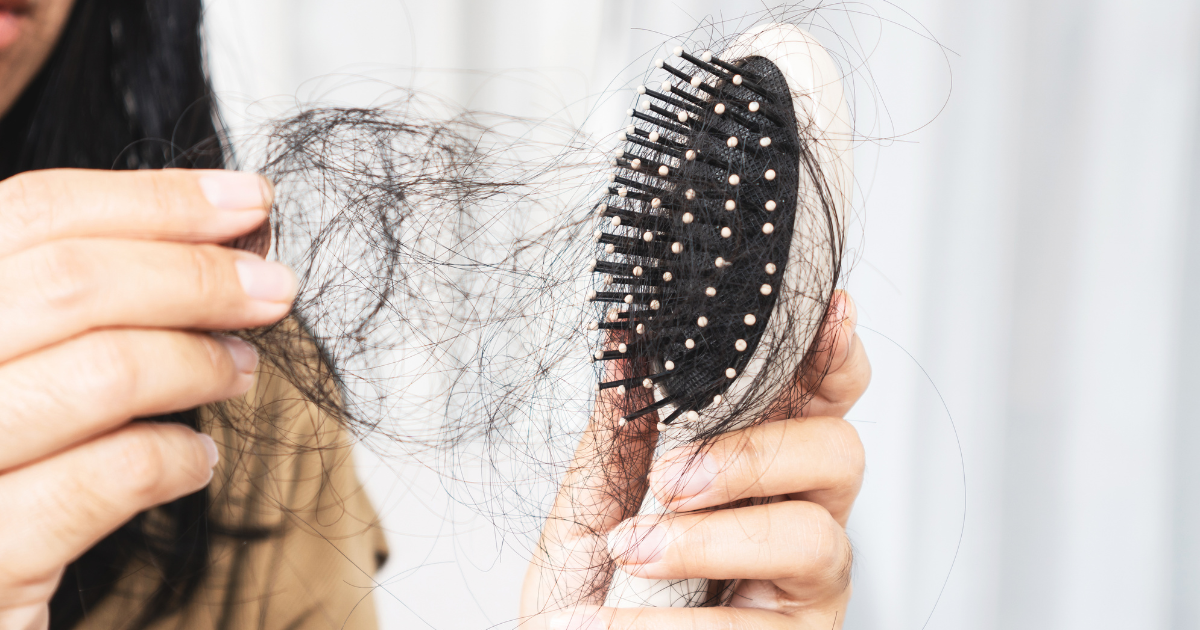
Hair loss can be one of the distressing symptoms of lupus. For some people, it may be one of the first noticeable signs of the disease. While losing a few strands of hair every day is normal, significant hair thinning, increased shedding, or bald patches may require medical evaluation.
Lupus, particularly Systemic Lupus Erythematosus (SLE), can affect different parts of the body, including the skin and hair follicles. Hair loss associated with lupus can occur because of inflammation, active disease, scalp involvement, or certain medications.
The good news is that lupus-related hair loss can often improve when the underlying cause is identified and treated. However, permanent hair loss can occur in some forms of scarring scalp lupus.
Why Does Lupus Cause Hair Loss?
Lupus is an autoimmune disease. This means the immune system mistakenly attacks healthy tissues. When lupus affects the skin or scalp, inflammation can interfere with normal hair growth.
Hair loss in lupus can happen for several reasons.
1. Active Lupus Inflammation
When lupus is active, inflammation can affect the hair follicles and cause increased shedding or thinning.
Some people notice that their hair becomes:
- Thinner than usual
- Brittle
- Dry
- More difficult to manage
- Easier to break
Hair shedding may become more noticeable during a lupus flare.
2. Scalp Lupus and Skin Rashes
Some forms of cutaneous lupus directly affect the scalp.
A condition called discoid lupus erythematosus (DLE) can cause inflamed, scaly patches on the scalp. These lesions may damage hair follicles.
If inflammation permanently destroys the follicles, it can lead to scarring alopecia, resulting in permanent hair loss in the affected areas.
This is why persistent scalp rashes, scaling, redness, or bald patches should not be ignored.
3. Telogen Effluvium
Another common reason for hair loss in people with lupus is telogen effluvium.
This occurs when physical or emotional stress causes more hair follicles than usual to enter the resting phase of the hair cycle.
Possible triggers include:
- Lupus flare-ups
- Fever or infection
- Major stress
- Significant weight loss
- Nutritional deficiencies
- Changes in medication
Unlike scarring hair loss, telogen effluvium usually does not permanently damage hair follicles. Hair growth may improve once the trigger is controlled.
4. Hair Loss Due to Medications
Some medicines used to manage lupus may contribute to hair thinning in certain people.
However, medication-related hair loss can be difficult to distinguish from hair loss caused by lupus itself.
Do not stop lupus medication on your own. If you notice increased hair loss after starting or changing a medicine, discuss it with your rheumatologist.
Your doctor can determine whether the medication could be contributing and whether any adjustment is appropriate.
What Does Lupus-Related Hair Loss Look Like?
Hair loss can appear differently depending on its cause.
Diffuse Hair Thinning
Hair may become thinner throughout the scalp rather than falling out in one specific area.
Increased Hair Shedding
You may notice more hair than usual on your pillow, comb, shower drain, or clothing.
Bald Patches
Round or irregular areas of hair loss may develop, particularly when the scalp is affected by cutaneous lupus or another condition.
Hair Breakage
Hair may become fragile and break easily, making it appear thinner.
Scalp Rash With Hair Loss
Redness, scaling, inflammation, crusting, or persistent scalp lesions together with hair loss may indicate cutaneous lupus and require medical evaluation.
Is Hair Loss a Sign of a Lupus Flare?
It can be, but not always.
Increased hair shedding may occur during periods of active lupus. However, hair loss has many possible causes, including:
- Iron deficiency
- Thyroid disorders
- Vitamin deficiencies
- Hormonal changes
- Stress
- Recent illness
- Other autoimmune conditions
- Certain medications
Therefore, hair loss alone does not mean that lupus is becoming active.
If hair loss is sudden, severe, persistent, or accompanied by other lupus symptoms, speak with your doctor.
Can Lupus Cause Permanent Hair Loss?
Yes, but not all lupus-related hair loss is permanent.
Temporary hair shedding caused by active disease, stress, illness, or telogen effluvium may improve after the underlying problem is treated.
However, scarring cutaneous lupus can permanently damage hair follicles. Once a follicle is destroyed and replaced by scar tissue, hair may not grow back from that follicle.
Early diagnosis and treatment of scalp lupus are therefore important.
How Is Lupus-Related Hair Loss Diagnosed?
Your doctor may ask about:
- When the hair loss started
- Whether it is sudden or gradual
- Recent lupus flares
- New medications
- Diet and weight changes
- Stress or recent illness
- Scalp symptoms
A dermatologist may examine the scalp closely to determine whether there is inflammation or scarring.
Depending on your symptoms, tests may include:
- Complete blood count
- Iron or ferritin levels
- Thyroid function tests
- Vitamin levels when appropriate
- Lupus activity tests
- Scalp examination
- Scalp biopsy in selected cases
A dermatologist and rheumatologist may work together when both skin and systemic lupus are involved.
Treatment for Hair Loss in Lupus
Treatment depends on the underlying cause.
1. Control Lupus Activity
If hair loss is related to active lupus, controlling the underlying disease is an important part of treatment.
Your rheumatologist may adjust your lupus treatment depending on your symptoms and organ involvement.
2. Treat Scalp Lupus
When cutaneous lupus affects the scalp, doctors may prescribe treatments to reduce inflammation and protect the hair follicles.
Treatment may include topical medications or systemic lupus medicines, depending on the severity and type of skin involvement.
Early treatment is particularly important when scarring is suspected.
3. Correct Nutritional Deficiencies
Iron deficiency and other nutritional problems can contribute to hair shedding.
If your doctor identifies a deficiency, appropriate supplementation or dietary changes may help.
Avoid taking high-dose vitamins or supplements without medical advice, as excessive amounts can also cause health problems.
4. Minoxidil May Help in Selected Cases
Topical minoxidil may be considered for certain types of non-scarring hair loss.
However, it does not treat the underlying autoimmune disease and is not suitable for every patient.
Discuss its use with a dermatologist before starting it.
Hair Care Tips for Lupus Patients
Gentle hair care can help minimize additional hair breakage.
Try to:
- Use a mild shampoo
- Avoid very tight hairstyles
- Limit frequent heat styling
- Avoid aggressive brushing
- Use a wide-toothed comb
- Be gentle when hair is wet
- Protect the scalp from excessive UV exposure
If your scalp is sensitive, choose hair-care products that do not cause irritation.
Can Diet Help Reduce Hair Loss in Lupus?
There is no specific lupus hair-loss diet that can cure hair loss. However, maintaining adequate nutrition is important for healthy hair growth.
Include a balanced diet containing:
- Protein
- Iron-rich foods
- Fruits and vegetables
- Whole grains
- Nuts and seeds
- Healthy fats
If you have kidney involvement from lupus, your dietary requirements may be different. In that situation, follow the diet recommended by your doctor or dietitian.
When Should You See a Doctor?
Consult a doctor if you notice:
- Sudden or severe hair loss
- Bald patches
- Persistent scalp rash
- Scalp redness or scaling
- Painful scalp lesions
- Hair loss along with worsening lupus symptoms
- Hair loss that continues for several months
Early evaluation can help identify whether the cause is lupus, medication, nutritional deficiency, or another condition.
Can Hair Grow Back After Lupus Hair Loss?
In many cases, yes.
If the hair follicles have not been permanently damaged, hair growth may improve after lupus activity or another underlying trigger is controlled.
However, recovery can take time. Hair grows slowly, so improvement may take several months.
If scarring has permanently destroyed the follicles, spontaneous regrowth may not occur in those areas.
Final Thoughts
Hair loss in lupus is common but should not be automatically attributed to lupus. Active disease, scalp inflammation, telogen effluvium, nutritional deficiencies, medications, and other health conditions can all contribute to hair thinning or shedding.
The most important step is identifying the cause. Treating active lupus and protecting the scalp can help prevent further hair loss, while some non-scarring forms may improve with time.
If you are experiencing significant or persistent hair loss, consult your rheumatologist or dermatologist rather than stopping lupus medication or starting supplements on your own.
Frequently Asked Questions (FAQ)
Can lupus cause hair loss?
Yes. Lupus can cause hair thinning, increased shedding, hair breakage, and in some cases permanent hair loss when scarring affects the scalp.
Is hair loss from lupus permanent?
Not always. Hair loss caused by active lupus or telogen effluvium may improve after treatment. Scarring lupus can cause permanent hair loss.
Does hair grow back after lupus treatment?
Hair may grow back when the follicles are not permanently damaged. Recovery can take several months.
Is hair loss a sign of a lupus flare?
It can be associated with active lupus, but hair loss also has many other causes. Your doctor can determine the underlying reason.
Can hydroxychloroquine cause hair loss?
Hair loss can occur for many reasons in people taking lupus medication. Do not stop hydroxychloroquine without speaking with your doctor.
What doctor should I see for lupus-related hair loss?
A rheumatologist can assess lupus activity, while a dermatologist can evaluate scalp and hair conditions. In some cases, both specialists may be involved.