

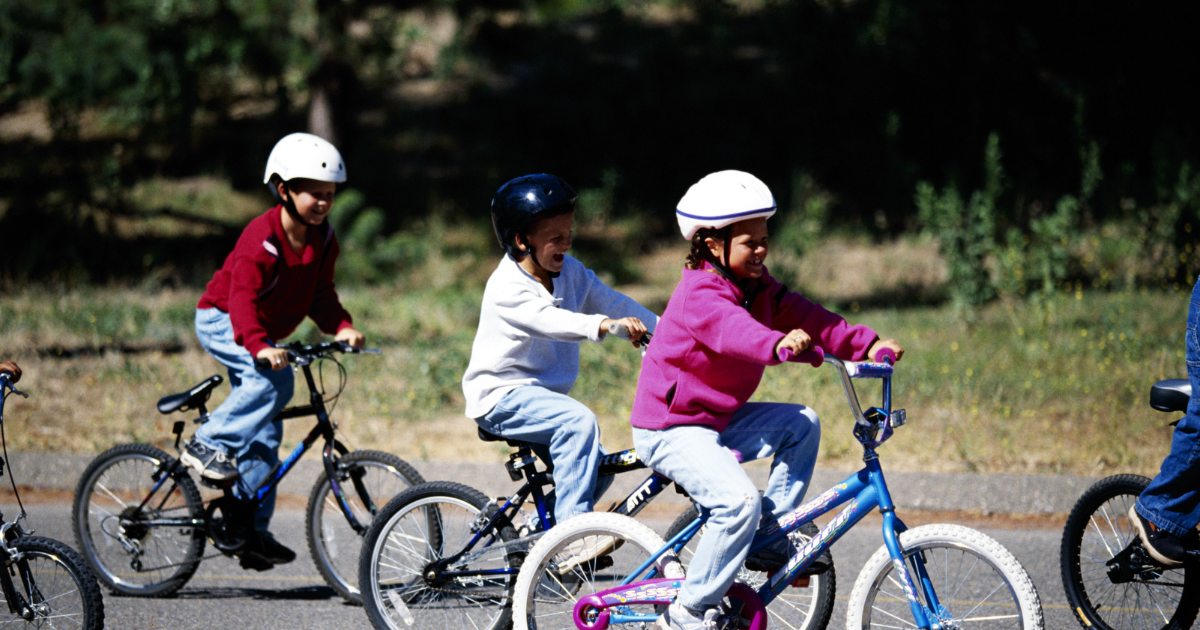
Children love running, jumping, swimming, cycling, and playing with their friends. But when a child is diagnosed with Juvenile Arthritis, parents often worry about whether physical activity and sports are safe. They may fear that exercise could increase joint pain, worsen inflammation, or cause permanent joint damage.
The good news is that most children with Juvenile Idiopathic Arthritis (JIA) can participate in physical activities and sports with appropriate guidance. Regular exercise can help improve muscle strength, joint flexibility, endurance, and overall well-being. However, the type and intensity of activity should depend on the child’s symptoms, disease activity, and physical abilities.
In this blog, we will explain which sports may be suitable for children with juvenile arthritis, what precautions parents should take, and when a child may need to modify or temporarily avoid certain activities.
What Is Juvenile Arthritis?
Juvenile Arthritis, commonly known as Juvenile Idiopathic Arthritis (JIA), is a group of inflammatory conditions that affect children under the age of 16.
It occurs when the immune system mistakenly causes inflammation in the joints. Depending on the type of JIA, children may experience:
- Joint pain and swelling
- Morning stiffness
- Difficulty walking or running
- Muscle weakness
- Fatigue
- Reduced joint movement
Some children experience mild symptoms affecting only a few joints, while others may have more extensive inflammation.
With appropriate treatment and regular monitoring, many children can participate in school activities, sports, and everyday play.
Can Children with Juvenile Arthritis Play Sports?
Yes, many children with juvenile arthritis can play sports safely. Physical activity is an important part of maintaining their overall health and physical development.
However, sports participation should be individualized. Children with well-controlled arthritis may be able to participate in most activities they enjoy, while those with active joint inflammation may need to modify their routines.
Before starting a new sport or returning to competitive athletics, parents should discuss the child’s condition with their rheumatologist and physiotherapist.
Benefits of Sports for Children with Juvenile Arthritis
Regular physical activity offers several benefits for children living with JIA.
1. Improves Muscle Strength
Strong muscles help support the joints and improve stability during movement.
When children avoid physical activity for long periods, their muscles may become weaker. Appropriate exercise helps maintain strength and supports everyday activities.
2. Maintains Joint Flexibility
Joint stiffness is a common symptom of juvenile arthritis, especially after waking up or remaining in one position for a long time.
Gentle movement and stretching can help maintain joint flexibility and make daily activities easier.
3. Supports Bone Health
Childhood is an important period for bone development. Regular, age-appropriate physical activity supports healthy bones and muscles.
Maintaining an active lifestyle can be particularly valuable for children who have reduced activity because of joint symptoms.
4. Reduces Fatigue and Improves Fitness
Some children with JIA experience tiredness and reduced endurance.
Gradually increasing physical activity, when medically appropriate, can help improve stamina and overall fitness.
5. Supports Emotional Well-Being
Sports help children build friendships, confidence, and social skills.
Participating in activities with classmates can also help children feel included rather than limited by their condition.
Which Sports Are Suitable for Children with Juvenile Arthritis?
The best sport depends on the child’s age, joint involvement, disease activity, and personal interests.
1. Swimming
Swimming is often a useful option because water supports body weight and reduces stress on many joints.
Potential benefits include:
- Improved muscle strength
- Better flexibility
- Increased endurance
- Gentle, full-body movement
Children should choose comfortable activities and avoid movements that increase pain.
2. Cycling
Cycling can help improve cardiovascular fitness and strengthen the muscles of the legs.
A stationary bicycle may be useful when outdoor cycling is difficult or balance is a concern.
The bicycle should be adjusted correctly, and the activity should be comfortable for the child’s knees, hips, and ankles.
3. Walking
Walking is a simple way to stay active.
Children can begin with short walks and gradually increase the duration according to their comfort and doctor’s advice.
If walking causes limping or increases joint swelling, the activity should be modified and medical guidance sought.
4. Yoga and Gentle Stretching
Age-appropriate yoga and stretching may help improve flexibility, posture, and body awareness.
Children should avoid forcing a joint beyond its comfortable range of movement.
A physiotherapist can recommend suitable exercises for joints affected by arthritis.
5. Dancing
Dancing can be an enjoyable way to improve coordination, balance, and fitness.
Children with well-controlled symptoms may participate in age-appropriate dance activities. During periods of active inflammation, high-impact movements and repeated jumping may need to be reduced.
6. Other School and Recreational Sports
Depending on the child’s condition, activities such as table tennis, badminton, and other recreational sports may be appropriate.
Running, football, basketball, and contact sports are not automatically prohibited. However, they may require additional assessment, especially when the disease is active or the affected joints are vulnerable to injury.
Should Children Avoid Sports During an Arthritis Flare-Up?
An arthritis flare-up occurs when symptoms become more active, often causing increased joint pain, swelling, stiffness, or fatigue.
During a flare-up, children may need to temporarily reduce strenuous activities.
Parents should consider the following precautions:
- Avoid activities that increase joint pain.
- Reduce jumping, running, and other high-impact movements when joints are actively inflamed.
- Encourage gentle movement within a comfortable range.
- Follow exercises recommended by the physiotherapist.
- Allow adequate rest between activities.
Complete inactivity is not always necessary. The aim is to maintain comfortable movement and muscle function without placing excessive stress on inflamed joints.
If symptoms become significantly worse, consult the child’s treating doctor. A gradual return to regular sports may be recommended once the flare-up is controlled.
Important Precautions Before Playing Sports
Parents can help children participate more safely by following these practical steps.
1. Get Medical Advice
Before beginning a new sport or competitive training program, discuss the child’s joint health and physical abilities with a rheumatologist.
Children with significant systemic inflammation or involvement of other organs may require additional medical assessment before exercising.
2. Start Slowly
Avoid sudden increases in exercise intensity or duration.
Begin with manageable activities and gradually increase the workload if the child tolerates it well.
3. Warm Up Before Exercise
Gentle movements and age-appropriate warm-up exercises prepare the muscles and joints for activity.
Avoid aggressive stretching or movements that cause pain.
4. Use Proper Equipment
Wear appropriate footwear and use suitable protective equipment for the chosen sport.
Children with joint instability, balance problems, or specific joint involvement may need additional recommendations from their healthcare team.
5. Stay Hydrated and Rest When Needed
Encourage children to drink enough water and take breaks when tired.
Rest is particularly important if the child experiences unusual fatigue or discomfort during exercise.
6. Communicate with Teachers and Coaches
Inform the physical education teacher or coach about the child’s condition and any recommended activity restrictions.
This helps adults modify exercises when necessary and recognize symptoms that require attention.
Warning Signs Parents Should Never Ignore
Physical activity should not consistently cause worsening symptoms.
Stop the activity and seek medical advice if your child develops:
- New or increasing joint swelling
- Significant joint pain
- Persistent limping
- Difficulty moving an affected joint
- Unusual fatigue that does not improve with rest
- Symptoms that remain worse after exercise
A hot, swollen joint accompanied by fever, particularly when symptoms develop suddenly, requires urgent medical assessment because infection and other serious conditions must be considered.
Can Children with Juvenile Arthritis Participate in Competitive Sports?
Some children with well-controlled JIA can participate in competitive sports.
However, the decision should consider disease activity, joint function, physical conditioning, and the demands of the sport.
Contact and collision sports may require special precautions in children with certain joint problems. For example, children with arthritis affecting the neck may need specific assessment before participating in collision sports.
A personalized plan developed with the rheumatologist and physiotherapist can help determine which activities are appropriate and when a child can safely increase participation.
How Can Parents Encourage an Active Lifestyle?
Parents play an important role in helping children remain physically active without feeling pressured.
Here are some practical suggestions:
- Let your child choose activities they enjoy.
- Focus on participation rather than competition.
- Encourage regular movement on days when symptoms are controlled.
- Avoid comparing your child with other children.
- Celebrate progress and improvements in strength or endurance.
- Follow the treatment and exercise plan recommended by the healthcare team.
Children should understand that needing modifications does not mean they cannot enjoy sports or spend time with friends.
Conclusion
Children with juvenile arthritis can often participate in sports and physical activities with appropriate medical guidance. Swimming, cycling, walking, gentle stretching, and other suitable activities can help improve muscle strength, joint flexibility, fitness, and emotional well-being.
However, sports should be tailored to the child’s condition. During arthritis flare-ups, high-impact activities may need to be reduced, and children should never be encouraged to push through significant pain or swelling.
With early diagnosis, effective treatment, regular follow-up, and an individualized activity plan, many children with Juvenile Idiopathic Arthritis can enjoy an active childhood.
If your child has JIA and wants to participate in sports, consult a rheumatologist to develop a safe plan based on their specific needs.
Frequently Asked Questions (FAQs)
1. Can a child with juvenile arthritis play football?
Some children with well-controlled JIA may play football. However, running, sudden changes in direction, and physical contact may place additional stress on affected joints. A doctor should assess the child’s condition before participation.
2. Is swimming good for children with juvenile arthritis?
Swimming is often a suitable low-impact activity because water supports body weight and allows comfortable movement. The activity should be adjusted if it causes pain.
3. Should children with JIA avoid exercise completely?
No. Appropriate physical activity is generally encouraged. The type and intensity should be adjusted according to symptoms, disease activity, and medical advice.
4. Can exercise worsen juvenile arthritis?
Exercise does not automatically worsen JIA. However, strenuous activity during an active flare-up or exercise that repeatedly aggravates an inflamed joint may increase discomfort. A personalized exercise plan can help reduce these risks.
5. When can a child return to sports after a flare-up?
The timing depends on symptom improvement, joint inflammation, and physical ability. A gradual return to activity should be planned with the child’s healthcare team.
6. Does every child with juvenile arthritis need physiotherapy?
Not every child requires the same program, but physiotherapy can be helpful when joint movement, strength, endurance, or everyday function is affected. The treatment team can recommend an appropriate plan.