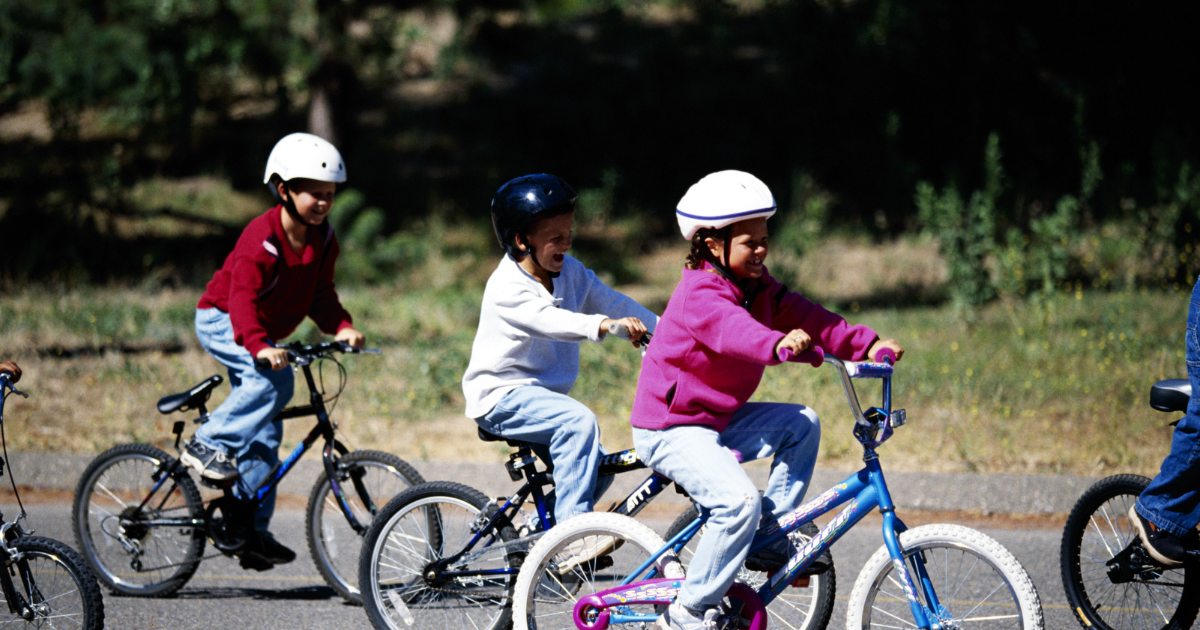

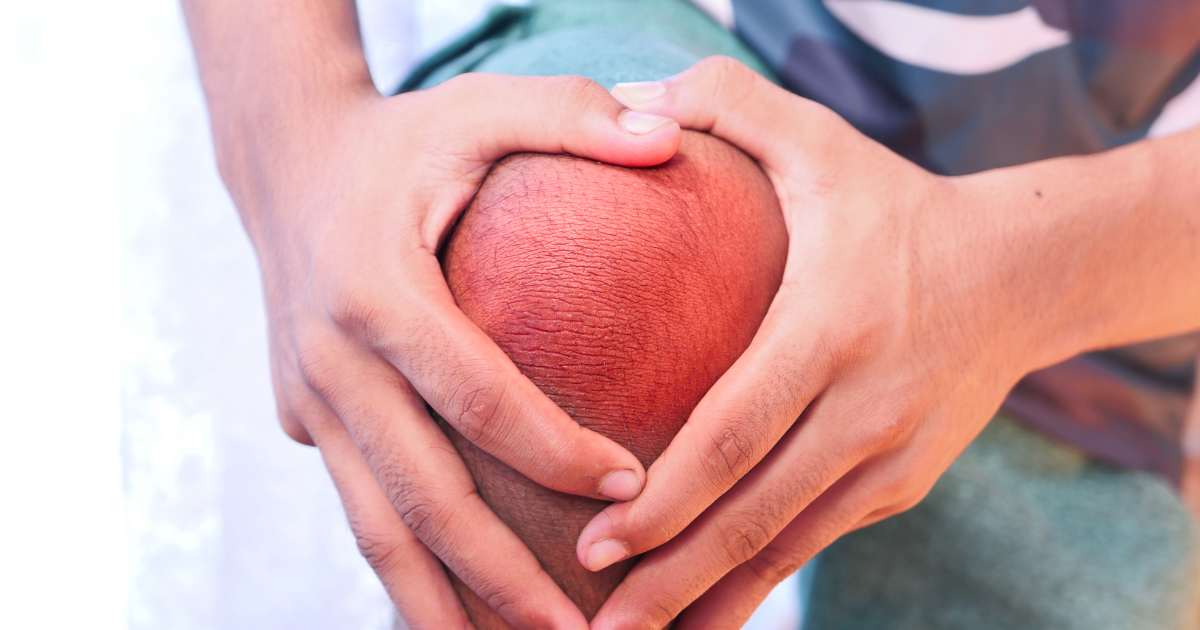
The monsoon season brings welcome relief from the summer heat, but for children living with Juvenile Arthritis (Juvenile Idiopathic Arthritis or JIA), it can also bring unique challenges. Many parents notice that their child complains of increased joint pain, stiffness, or fatigue during rainy days. While scientific evidence linking weather changes directly to arthritis flare-ups is still limited, fluctuations in humidity, temperature, and air pressure may influence symptoms in some children.
The good news is that with the right precautions and daily care, children with juvenile arthritis can stay active, comfortable, and healthy throughout the rainy season.
In this blog, we’ll discuss practical monsoon care tips for children with juvenile arthritis, explain why symptoms may worsen during this season, and share expert advice to help parents manage their child’s condition effectively.
Can Monsoon Weather Affect Juvenile Arthritis?
Some children with juvenile arthritis report feeling more joint discomfort during the rainy season. Although researchers are still studying the exact relationship, several factors may contribute to increased symptoms.
These include:
- Higher humidity levels
- Changes in atmospheric pressure
- Cooler temperatures
- Reduced physical activity during rainy days
- Increased risk of seasonal infections
Every child is different. Some may notice significant changes, while others experience little or no difference.
Common Challenges During the Monsoon
Children with Juvenile Arthritis may experience:
- Morning stiffness
- Increased joint pain
- Swollen joints
- Muscle tightness
- Fatigue
- Reduced outdoor activity
- Higher risk of infections that may temporarily worsen symptoms
Understanding these challenges allows parents to prepare and respond appropriately.
10 Monsoon Care Tips for Children with Juvenile Arthritis
1. Keep Your Child Warm and Comfortable
Cool, damp weather may make stiff joints feel more uncomfortable.
Parents can help by:
- Dressing children in lightweight layers
- Keeping clothes dry
- Using warm blankets at night
- Avoiding prolonged exposure to cold rain
Warm muscles often move more comfortably than cold muscles.
2. Encourage Gentle Daily Exercise
Many children become less active during the rainy season because they spend more time indoors.
However, regular movement is essential for maintaining:
- Joint flexibility
- Muscle strength
- Balance
- Mobility
Indoor activities can include:
- Stretching exercises
- Yoga for children
- Light dancing
- Walking indoors
- Physiotherapy exercises
Exercise should never be completely stopped unless advised by the rheumatologist.
3. Start the Day with Gentle Stretching
Morning stiffness is one of the most common symptoms of juvenile arthritis.
Simple stretching after waking up can:
- Improve flexibility
- Reduce stiffness
- Make movement easier
- Prepare joints for daily activities
Children should perform stretches slowly without forcing painful movements.
4. Offer Warm Baths
A warm bath in the morning can help relax muscles and loosen stiff joints.
Benefits include:
- Better blood circulation
- Reduced muscle tightness
- Improved joint movement
- Increased comfort before school
Avoid extremely hot water, as it may irritate sensitive skin.
5. Maintain a Healthy, Balanced Diet
Proper nutrition supports a healthy immune system and overall growth.
Include foods rich in:
- Fresh fruits
- Green leafy vegetables
- Whole grains
- Lean proteins
- Nuts and seeds
- Omega-3 fatty acids (if appropriate)
Encourage your child to drink enough water, even when they don’t feel thirsty during cooler weather.
6. Prevent Seasonal Infections
Monsoon season often increases the spread of viral and bacterial infections.
Since infections may trigger arthritis flare-ups or temporarily worsen symptoms, parents should encourage:
- Frequent handwashing
- Drinking clean, safe water
- Eating freshly prepared food
- Avoiding stagnant water
- Wearing clean, dry clothes
Consult your doctor promptly if your child develops fever or signs of infection.
7. Don’t Skip Medications
Some parents mistakenly stop medicines when their child feels better.
However, juvenile arthritis medications work best when taken consistently.
Always:
- Give medicines on time
- Follow the prescribed dosage
- Never stop treatment without consulting the rheumatologist
Regular medication helps prevent disease flare-ups.
8. Watch for Signs of a Flare-Up
The rainy season may coincide with increased disease activity in some children.
Parents should monitor for:
- Increased joint swelling
- Persistent pain
- Morning stiffness lasting longer than usual
- Difficulty walking
- Fatigue
- Reduced participation in daily activities
Early medical attention can help control symptoms before they worsen.
9. Ensure Adequate Sleep
Growing children need sufficient rest, especially those living with chronic inflammatory conditions.
Good sleep helps:
- Reduce fatigue
- Support immune function
- Improve mood
- Aid recovery
Create a bedtime routine that encourages consistent sleep habits.
10. Keep Regular Follow-Up Appointments
Even if symptoms appear stable, routine check-ups remain important.
During follow-up visits, your rheumatologist may:
- Assess disease activity
- Adjust medications if needed
- Monitor growth
- Evaluate joint function
- Recommend physiotherapy
Regular monitoring helps detect problems early.
Can Rain Cause Juvenile Arthritis Flare-Ups?
There is no strong scientific evidence that rain directly causes juvenile arthritis flare-ups.
However, many patients report feeling increased discomfort during weather changes.
Possible reasons include:
- Lower atmospheric pressure
- Cooler temperatures
- Reduced physical activity
- Muscle tightening
- Increased sensitivity to pain
Parents should focus on symptom management rather than worrying about the weather itself.
When Should Parents Contact a Rheumatologist?
Seek medical advice if your child experiences:
- Severe joint pain
- New joint swelling
- Persistent fever
- Difficulty walking
- Sudden limping
- Eye redness or vision changes
- Symptoms that interfere with daily activities
Prompt evaluation can prevent complications.
Tips for School During the Monsoon
Parents should also help children stay comfortable at school.
Useful tips include:
- Pack an extra pair of dry socks.
- Send a raincoat or umbrella.
- Keep medications available if prescribed.
- Inform teachers about the child’s condition.
- Encourage regular movement during long classroom sessions.
Small adjustments can make school more comfortable.
Emotional Support Is Just as Important
Living with juvenile arthritis can sometimes make children feel frustrated or different from their peers.
Parents can help by:
- Encouraging open conversations
- Praising achievements
- Supporting hobbies
- Allowing safe participation in activities
- Connecting with support groups if needed
Emotional well-being is an important part of arthritis management.
Conclusion
The monsoon season doesn’t have to limit a child with Juvenile Arthritis (JIA). While some children may experience increased joint stiffness or discomfort due to changes in weather, simple lifestyle adjustments can make a significant difference.
Keeping your child warm, encouraging regular exercise, maintaining a balanced diet, preventing infections, ensuring proper medication use, and attending regular follow-up appointments can help manage symptoms effectively.
With early diagnosis, appropriate treatment, and supportive home care, children with juvenile arthritis can continue to learn, play, and enjoy life throughout every season—including the monsoon.
Frequently Asked Questions (FAQs)
Does rainy weather worsen juvenile arthritis?
Some children may notice increased joint pain or stiffness during rainy weather, but scientific evidence remains inconclusive. Weather affects each child differently.
Can children with juvenile arthritis play outside during the monsoon?
Yes. Children can safely play outdoors when weather conditions allow, provided they stay dry, avoid prolonged exposure to cold rain, and change out of wet clothing promptly.
What foods are good during the monsoon for children with juvenile arthritis?
A balanced diet including fruits, vegetables, whole grains, lean proteins, and omega-3-rich foods supports overall health and immune function.
Should arthritis medicines be stopped if symptoms improve?
No. Medications should only be adjusted or discontinued under the guidance of a pediatric rheumatologist.
When should parents seek medical attention?
Consult your doctor if your child develops persistent joint swelling, severe pain, fever, limping, eye symptoms, or worsening stiffness.