
Psoriatic Arthritis (PsA) is widely known for causing joint pain, stiffness, and swelling. However, many people are unaware that this chronic autoimmune disease can also affect the eyes. In some cases, eye complications may develop before or after joint symptoms and, if left untreated, can lead to permanent vision problems.
The good news is that early diagnosis and timely treatment can help protect your eyesight. Understanding the warning signs is the first step toward preventing serious complications.
In this blog, we’ll discuss how Psoriatic Arthritis affects the eyes, the symptoms you should never ignore, treatment options, and tips to keep your eyes healthy.
Can Psoriatic Arthritis Affect Your Eyes?
Yes. Psoriatic Arthritis can affect the eyes because it is an autoimmune inflammatory disease. The same immune system that attacks your joints can also cause inflammation in different parts of the eye.
Research suggests that up to one-third of people with Psoriatic Arthritis may experience eye-related problems during their lifetime. Some eye conditions are mild, while others require urgent medical attention to prevent vision loss.
Why Does Psoriatic Arthritis Affect the Eyes?
Psoriatic Arthritis causes chronic inflammation throughout the body. This inflammation doesn’t just stay in the joints—it can also affect:
- The iris (colored part of the eye)
- The uvea (middle layer of the eye)
- The conjunctiva (outer eye membrane)
- Tear-producing glands
- Eyelids
Persistent inflammation can damage delicate eye tissues if not treated promptly.
Common Eye Problems Associated with Psoriatic Arthritis
1. Uveitis (Eye Inflammation)
Uveitis is one of the most serious eye complications linked to Psoriatic Arthritis.
It occurs when the uvea, the middle layer of the eye, becomes inflamed.
Symptoms include:
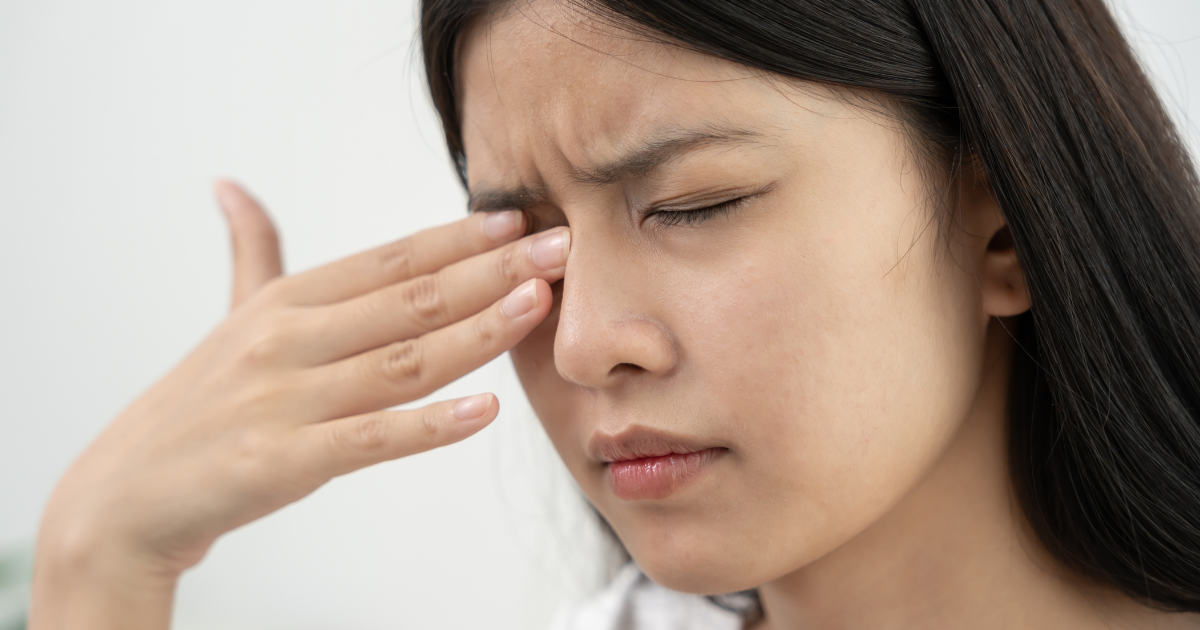
- Severe eye pain
- Redness
- Blurred vision
- Sensitivity to light
- Floaters
- Decreased vision
Uveitis is considered a medical emergency. Without treatment, it may lead to glaucoma, cataracts, or permanent vision loss.
2. Conjunctivitis (Pink Eye)
People with PsA may also develop inflammation of the conjunctiva.
Symptoms include:
- Red eyes
- Watering
- Mild irritation
- Burning sensation
- Sticky discharge
Although conjunctivitis is usually less serious than uveitis, it should still be evaluated if symptoms persist.
3. Dry Eye Syndrome
Dry eyes are common in autoimmune diseases.
Inflammation may reduce tear production, causing:
- Dryness
- Burning
- Gritty sensation
- Eye fatigue
- Blurred vision after reading or screen use
Untreated dry eyes can damage the eye surface over time.
4. Blepharitis
Blepharitis is inflammation of the eyelids.
Symptoms include:
- Itchy eyelids
- Crusting around eyelashes
- Swollen eyelids
- Red eyelid margins
- Burning eyes
Good eyelid hygiene usually helps, but recurring symptoms require medical care.
Symptoms You Should Never Ignore
Contact your doctor immediately if you notice:
- Sudden blurred vision
- Severe eye pain
- Light sensitivity
- Eye redness lasting more than 24 hours
- Floaters or flashing lights
- Partial loss of vision
- Double vision
These symptoms could indicate uveitis or another serious eye condition requiring urgent treatment.
Who Is at Higher Risk?
Your risk of eye complications may be higher if you:
- Have active or uncontrolled Psoriatic Arthritis
- Have had PsA for many years
- Experience frequent flare-ups
- Have psoriasis affecting the scalp or face
- Have a family history of autoimmune eye disease
- Smoke
People with spinal involvement (axial PsA) may also have a higher risk of uveitis.
How Are Eye Problems Diagnosed?
Your doctor may refer you to an ophthalmologist for a detailed eye examination.
Tests may include:
- Vision testing
- Slit-lamp examination
- Eye pressure measurement
- Dilated eye examination
- Retinal evaluation
Early diagnosis greatly improves treatment outcomes.
Treatment for Eye Complications
Treatment depends on the specific eye condition.
Mild dry eyes
- Artificial tears
- Lubricating eye gels
- Humidifiers
- Taking breaks from screens
Uveitis
Treatment may include:
- Steroid eye drops
- Oral corticosteroids
- Immunosuppressive medicines
- Biologic medications
- Dilating eye drops
Prompt treatment is essential to protect vision.
Conjunctivitis or Blepharitis
Your doctor may recommend:
- Warm compresses
- Eyelid cleaning
- Antibiotic drops (if infection is present)
- Anti-inflammatory medications
Can Psoriatic Arthritis Treatment Protect Your Eyes?
Yes.
Keeping PsA under good control helps reduce inflammation throughout the body, including the eyes.
Medications such as:
- DMARDs
- TNF inhibitors
- IL-17 inhibitors
- IL-23 inhibitors
may lower the risk of recurring eye inflammation in many patients.
Never stop your medication without consulting your rheumatologist.
Tips to Keep Your Eyes Healthy
Get Regular Eye Check-ups
Even if you have no symptoms, schedule regular eye examinations, especially if you have long-standing PsA.
Manage Your PsA Effectively
Taking medications as prescribed reduces overall inflammation and lowers the risk of eye complications.
Wear Sunglasses Outdoors
UV rays and bright sunlight can worsen light sensitivity.
Choose sunglasses with UV protection.
Stay Hydrated
Proper hydration supports tear production and reduces dry eye symptoms.
Limit Screen Time
Follow the 20-20-20 rule:
Every 20 minutes, look at something 20 feet away for 20 seconds.
Avoid Smoking
Smoking increases inflammation and raises the risk of eye diseases.
Eat Eye-Friendly Foods
Include foods rich in:
- Omega-3 fatty acids
- Vitamin A
- Vitamin C
- Vitamin E
- Zinc
- Leafy green vegetables
- Carrots
- Citrus fruits
- Fatty fish
These nutrients support eye health and overall immunity.
When Should You See a Doctor?
Seek immediate medical attention if you experience:
- Sudden vision changes
- Severe eye pain
- Persistent redness
- Light sensitivity
- Floaters
- Loss of vision
Early treatment can prevent permanent eye damage.
Conclusion
Psoriatic Arthritis is more than a joint disease—it can also affect your eyes. Conditions such as uveitis, dry eye syndrome, conjunctivitis, and blepharitis may develop because of ongoing inflammation.
Ignoring symptoms like eye pain, redness, blurred vision, or sensitivity to light can increase the risk of long-term vision problems. Regular eye examinations, good control of Psoriatic Arthritis, and prompt medical care are essential for protecting your eyesight.
If you have Psoriatic Arthritis and notice any unusual eye symptoms, don’t wait. Consult your rheumatologist and ophthalmologist as soon as possible. Early diagnosis and treatment can help preserve your vision and improve your overall quality of life.
Frequently Asked Questions (FAQs)
1. Can Psoriatic Arthritis cause eye problems?
Yes. Psoriatic Arthritis can cause eye conditions such as uveitis, dry eye syndrome, conjunctivitis, and blepharitis due to chronic inflammation.
2. What is the most serious eye complication of Psoriatic Arthritis?
Uveitis is the most serious complication. Without prompt treatment, it can lead to glaucoma, cataracts, or permanent vision loss.
3. What are the early signs of eye involvement in Psoriatic Arthritis?
Common early symptoms include eye redness, pain, blurred vision, sensitivity to light, excessive tearing, and dry eyes.
4. Can biologic medications help prevent eye inflammation?
Yes. Biologics and other medications that control Psoriatic Arthritis inflammation may reduce the risk of recurrent eye complications.
5. Should people with Psoriatic Arthritis have regular eye exams? Yes. Regular eye check-ups help detect eye inflammation early, even before noticeable symptoms develop. Early treatment can prevent serious complications.