

Psoriatic Arthritis (PsA) is a long-term inflammatory condition that can affect the joints, skin, nails, spine, and other parts of the body. Treatment can significantly reduce pain, stiffness, swelling, and inflammation and help protect the joints from damage.
However, some people notice that a treatment that worked well for months or years no longer provides the same relief. Joint pain may return, morning stiffness may increase, swelling may appear again, or psoriasis symptoms may become more active.
This does not always mean that treatment has completely failed. Psoriatic Arthritis can change over time, and the treatment plan may need to be reassessed or adjusted.
How Do You Know If Psoriatic Arthritis Treatment Is Stopping Working?
A gradual return of symptoms can be an early sign that your current treatment needs to be reviewed.
Watch for:
- Increasing joint pain or tenderness
- New or worsening joint swelling
- Longer-lasting morning stiffness
- Increasing fatigue
- More difficulty moving affected joints
- New pain in the back, heels, or feet
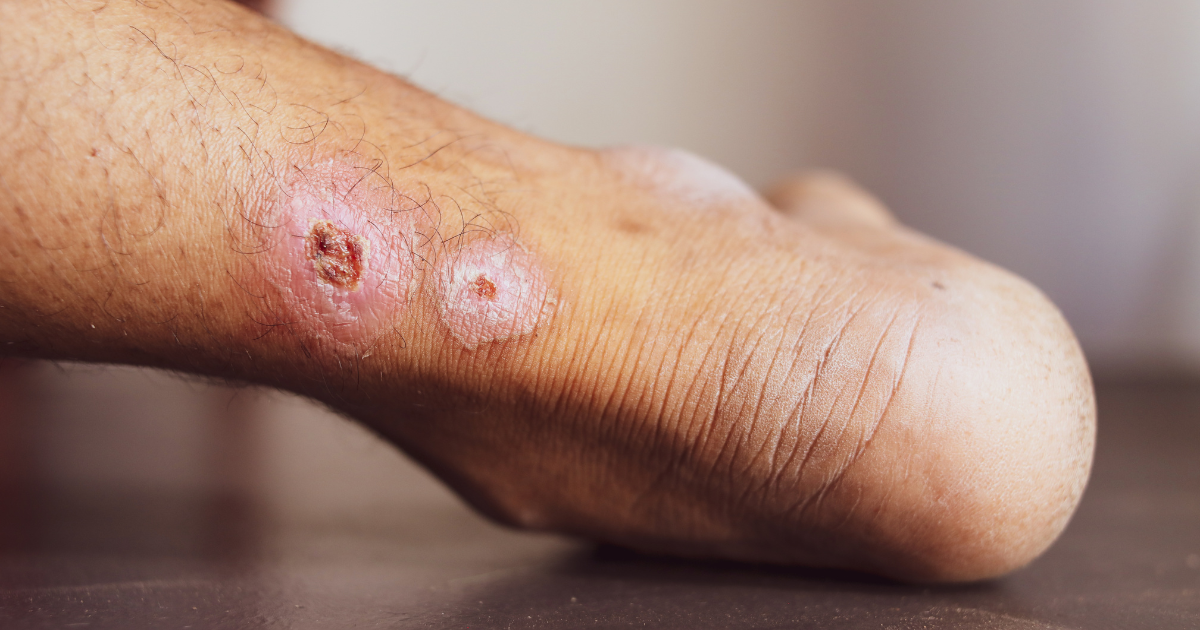
- Return or worsening of psoriasis
- Increased nail changes
- More frequent Psoriatic Arthritis flares
- Reduced ability to perform normal daily activities
One or two difficult days do not necessarily mean your medicine has stopped working. Persistent or repeatedly worsening symptoms deserve medical attention.
Why Can Psoriatic Arthritis Treatment Stop Working?
There are several possible reasons why symptoms may return.
1. The Disease Has Become More Active
Psoriatic Arthritis is an immune-mediated inflammatory disease. Its activity can change over time. A treatment that previously controlled inflammation may not provide enough control if the disease becomes more active.
2. The Body May Respond Differently Over Time
Some medications, particularly biologic therapies, may become less effective over time in some patients. This can happen when the body develops an immune response against the medication or when the disease pathway changes.
This is sometimes called secondary loss of response.
3. The Diagnosis or Source of Pain May Need Reassessment
Not every episode of joint pain is caused by active Psoriatic Arthritis.
Pain can also be related to osteoarthritis, tendon problems, injuries, fibromyalgia, or other conditions. Your doctor may need to determine whether your symptoms are caused by active inflammation or another problem.
4. Treatment May Not Be Taken Consistently
Missing doses, changing the dose without medical advice, or stopping medication suddenly can allow inflammation to return.
If you are experiencing side effects, cost problems, difficulty obtaining medicines, or concerns about long-term treatment, discuss them openly with your rheumatologist rather than stopping treatment yourself.
5. Other Health Problems Can Affect Symptoms
Infections, stress, poor sleep, weight changes, and other health conditions can influence pain and fatigue. These factors do not necessarily mean that your Psoriatic Arthritis medication has failed.
What Will Your Rheumatologist Do?
If your symptoms are getting worse, your rheumatologist will usually reassess your condition rather than immediately changing medication.
The evaluation may include:
Reviewing Your Symptoms
Your doctor may ask about:
- Which joints are painful or swollen
- How long morning stiffness lasts
- Whether symptoms are getting worse
- Skin and nail changes
- Back or heel pain
- Fatigue
- Your ability to work and perform daily activities
- How well your current medicine is controlling symptoms
Keeping a simple symptom diary can help you explain changes more clearly.
Physical Examination
Your rheumatologist may examine your joints, skin, nails, spine, fingers, and toes to look for signs of active inflammation.
Blood Tests
Blood tests may sometimes be used to assess inflammation and monitor treatment safety. However, normal blood tests do not always rule out active Psoriatic Arthritis.
Imaging Tests
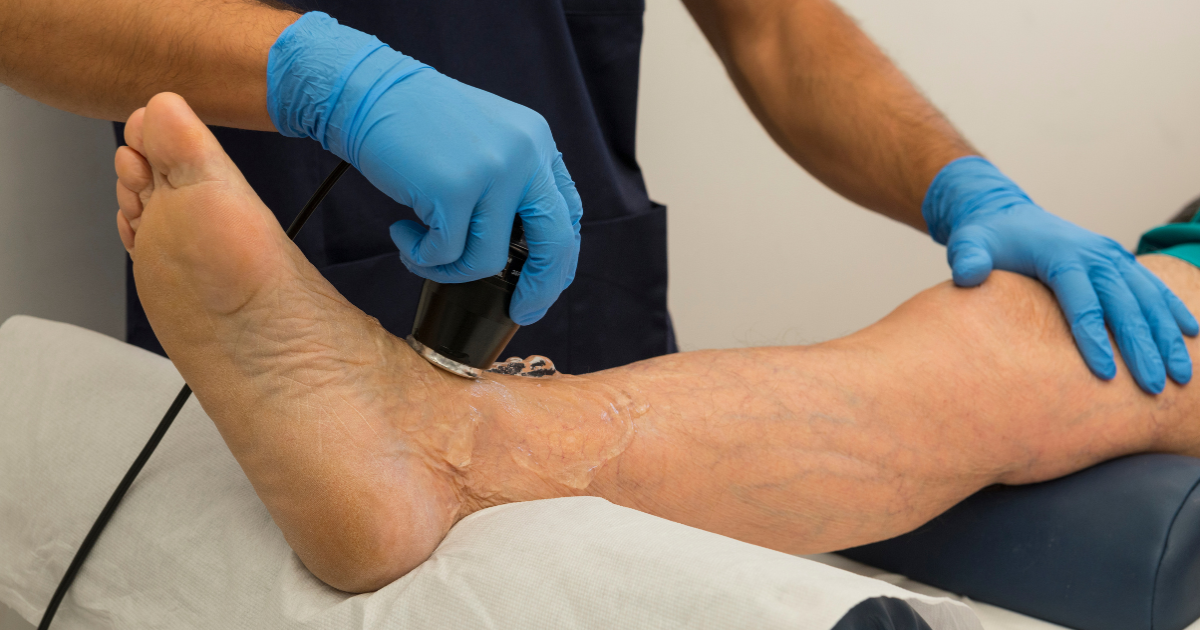
Depending on your symptoms, your doctor may recommend an X-ray, ultrasound, MRI, or another imaging test. Imaging can help identify inflammation or structural joint changes that may not be obvious from symptoms alone.
Does Treatment Need to Be Changed?
Sometimes, yes.
The treatment approach depends on why symptoms have returned, which areas are affected, how active the disease is, and which medicines you have already tried.
Your doctor may consider:
- Adjusting the current treatment
- Changing to another medicine
- Switching to a different biologic
- Considering a targeted synthetic disease-modifying antirheumatic drug
- Adding or changing treatment for skin disease
- Using short-term supportive treatment when appropriate
The goal is not simply to make pain disappear temporarily. The aim is to control inflammation, prevent further joint damage, maintain physical function, and improve quality of life.
What If One Biologic Stops Working?
This situation can occur in people with Psoriatic Arthritis, and it does not mean that all treatments will stop working.
There are several different treatment options that target different inflammatory pathways. If one medication loses effectiveness, a rheumatologist may consider switching to another treatment based on your symptoms and previous treatment response.
For example, the best option may be different for someone whose main problem is peripheral joint inflammation compared with someone who has significant psoriasis, axial symptoms, or enthesitis.
Therefore, treatment decisions should be individualized rather than based only on which medicine worked for someone else.
Should You Stop Your Medicine If It Is Not Helping?
No. Do not stop or change your Psoriatic Arthritis medicine without medical advice.
Stopping treatment suddenly can allow inflammation to become active again. Some medicines also require careful planning when they are discontinued or changed.
If you feel that your medicine is no longer helping, contact your rheumatologist and explain what has changed.
Your doctor can decide whether you need additional evaluation, a dose adjustment, or a different treatment.
Can Psoriatic Arthritis Treatment Work Again After a Flare?
Sometimes symptoms that look like treatment failure may actually be a temporary flare or may have another trigger.
For example, an infection, missed medication doses, stress, poor sleep, or another health issue may contribute to worsening symptoms.
That is why it is important to identify the reason behind the flare before assuming that the medication has permanently stopped working.
What Can You Do While Your Treatment Is Being Reviewed?
Medication is only one part of managing Psoriatic Arthritis.
You can also support your overall health by:
- Staying physically active within your limits
- Following an exercise plan recommended for your condition
- Maintaining a healthy weight
- Getting adequate sleep
- Avoiding smoking
- Limiting excessive alcohol intake
- Eating a balanced diet
- Taking medicines exactly as prescribed
- Attending regular follow-up appointments
- Reporting new or worsening symptoms early
Do not rely on supplements, restrictive diets, or alternative treatments as a replacement for prescribed Psoriatic Arthritis treatment without discussing them with your doctor.
When Should You Contact Your Doctor?
Make an appointment if you notice persistent or worsening:
- Joint swelling
- Joint pain
- Morning stiffness
- Fatigue
- Skin or nail symptoms
- Back or heel pain
- Difficulty walking or using your hands
- Reduced ability to perform everyday activities
Seek urgent medical attention for symptoms such as severe sudden pain, a very hot and swollen joint with fever, serious allergic reactions, breathing difficulty, or other severe symptoms.
Frequently Asked Questions
1. Can Psoriatic Arthritis medicine stop working over time?
Yes. Some people experience a loss of response to treatment over time. However, worsening symptoms can also have other causes, so medical reassessment is important.
2. Does a flare mean my medication has failed?
Not necessarily. A flare can occur for several reasons, including missed doses, infections, stress, or increased disease activity. Your doctor can determine whether the treatment needs to be changed.
3. What happens if a biologic stops working?
Your rheumatologist may evaluate disease activity and consider switching to another medication that targets the same or a different inflammatory pathway.
4. Should I stop my Psoriatic Arthritis medication if it is not helping?
No. Do not stop prescribed treatment without speaking with your doctor. Stopping treatment without guidance can allow inflammation to return or worsen.
5. Can Psoriatic Arthritis become harder to control?
In some people, disease activity can change over time and may require treatment adjustments. Regular monitoring helps doctors identify inadequate disease control early.
Final Takeaway
When Psoriatic Arthritis treatment appears to stop working, it does not mean you have run out of options. Symptoms can return for many different reasons, and the first step is to find out what is causing the change.
Your rheumatologist may reassess your symptoms, examination findings, blood tests, and imaging before deciding whether your treatment needs adjustment or replacement.
Most importantly, do not ignore persistent joint swelling, stiffness, pain, or reduced movement, and do not stop your medication on your own. Early reassessment can help bring inflammation under control and protect your joints in the long term.