

Introduction
Pregnancy is an important stage of life, and women living with vasculitis may have additional questions and concerns about fertility, pregnancy, medications, and the health of their baby. Can vasculitis affect pregnancy? The answer is yes, but the impact can vary significantly depending on the type of vasculitis, whether the disease is active, which organs are affected, and the medicines being used.
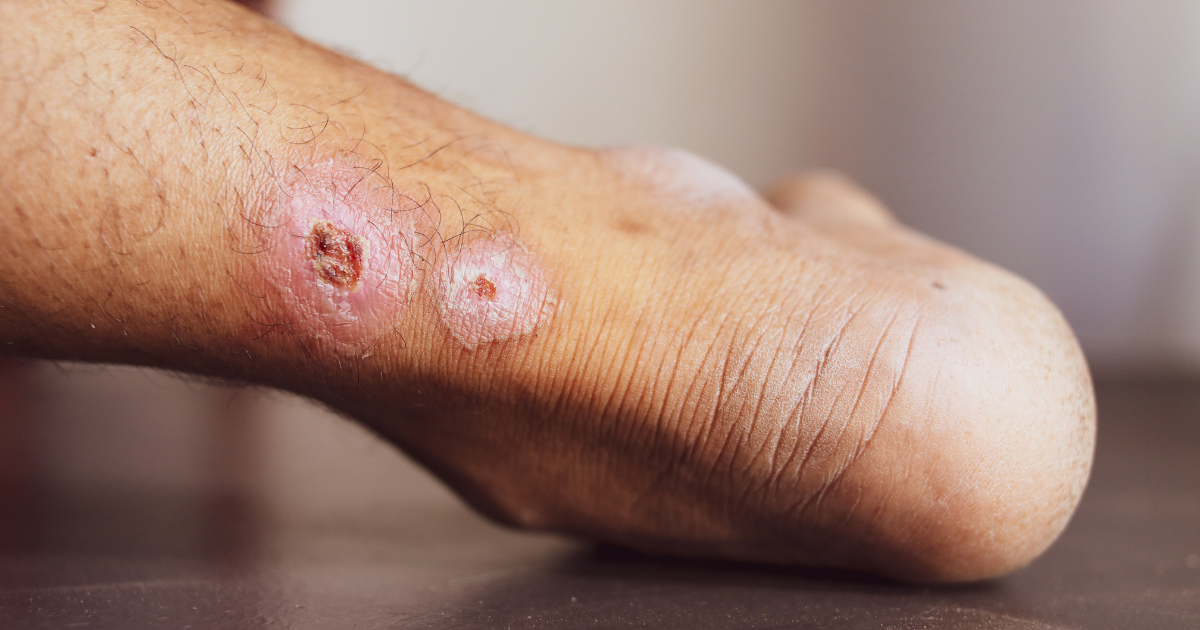
Vasculitis is a group of diseases in which blood vessels become inflamed. Since blood vessels supply oxygen and nutrients to organs, inflammation can affect the kidneys, lungs, heart, nerves, skin, and other parts of the body. During pregnancy, the body undergoes major changes in the immune, cardiovascular, and hormonal systems, making careful medical monitoring particularly important.
The good news is that many women with well-controlled vasculitis can have successful pregnancies. Planning pregnancy with a rheumatologist and obstetrician can help reduce potential risks and ensure that treatment is appropriate for both mother and baby.
What Is Vasculitis?
Vasculitis occurs when the body’s immune system causes inflammation in blood vessels. It can affect blood vessels of different sizes, from tiny capillaries to large arteries.
Some types of vasculitis include:
- Granulomatosis with Polyangiitis (GPA)
- Microscopic Polyangiitis (MPA)
- Eosinophilic Granulomatosis with Polyangiitis (EGPA)
- Takayasu Arteritis
- Giant Cell Arteritis
- Behçet’s Disease
- Polyarteritis Nodosa
- IgA Vasculitis
Each type behaves differently. Therefore, pregnancy with vasculitis is not the same for every woman.
Can Vasculitis Affect Pregnancy?
Yes, vasculitis can affect pregnancy, but the level of risk depends mainly on disease activity and organ involvement.
Active vasculitis during pregnancy may increase the risk of complications. For example, women with kidney involvement may require closer monitoring of blood pressure, kidney function, and urine protein. Certain types of large-vessel vasculitis may require monitoring of blood flow and cardiovascular health.
One of the most important factors is whether the disease is in remission before conception.
Women whose vasculitis is well controlled generally have a better chance of experiencing a healthy pregnancy than women who become pregnant while the disease is highly active.
Is It Safe to Become Pregnant With Vasculitis?
In many cases, yes. However, pregnancy should ideally be planned rather than occurring unexpectedly.
Before trying to conceive, your healthcare team may evaluate:
- Vasculitis disease activity
- Kidney function
- Blood pressure
- Lung function
- Heart health
- Current medications
- Previous disease complications
- Overall nutritional status
Your doctor may also recommend blood and urine tests to establish a baseline before pregnancy.
Why Disease Control Matters
Active vasculitis can place additional stress on the body. Pregnancy itself causes changes in blood volume, circulation, and kidney function. If vasculitis is also active, distinguishing pregnancy-related changes from disease activity can become more difficult.
For this reason, doctors generally aim for stable disease or remission before conception whenever possible.
How Can Vasculitis Affect the Baby?
The potential effects on the baby depend on the mother’s disease type, disease activity, organ involvement, and treatment.
Possible pregnancy complications can include:
- Preterm birth
- Low birth weight
- Fetal growth restriction
- Pregnancy loss in some high-risk situations
- Placental complications
However, these risks are not inevitable. Many women with controlled vasculitis have healthy pregnancies and healthy babies.
The pregnancy should therefore be considered individually rather than assuming that vasculitis automatically means an unsafe pregnancy.
How Can Vasculitis Affect the Mother During Pregnancy?
Pregnancy may require closer monitoring if vasculitis affects organs such as the kidneys, lungs, heart, or blood vessels.
Kidney Involvement
Kidney disease may increase the risk of:
- High blood pressure
- Protein in the urine
- Reduced kidney function
- Pregnancy-related complications
Regular urine and kidney function tests may be recommended.
Lung Involvement
Women with vasculitis affecting the lungs may need careful assessment of breathing and lung function before and during pregnancy.
Blood Vessel Involvement
Certain types of vasculitis can affect major arteries. Depending on the condition, doctors may monitor blood pressure and cardiovascular health more closely during pregnancy.
What About Vasculitis Medications During Pregnancy?
Medication management is one of the most important parts of pregnancy planning.
Some medicines used for vasculitis may be considered compatible with pregnancy in particular circumstances, while others can potentially harm the developing baby and need to be stopped or changed before conception.
Treatment decisions depend on:
- Type of vasculitis
- Disease severity
- Current disease activity
- Medication being used
- Stage of pregnancy
- Mother’s organ involvement
Never stop vasculitis medication on your own. Suddenly stopping treatment can cause a disease flare, which may itself pose serious risks.
Your rheumatologist should review every medication, supplement, and over-the-counter product before pregnancy.
Pregnancy Planning for Women With Vasculitis
Good preparation can make pregnancy safer.
1. Consult Your Rheumatologist
Discuss your pregnancy plans well in advance. Your doctor can determine whether your vasculitis is sufficiently controlled.
2. Meet Your Obstetrician
A high-risk pregnancy specialist may be involved when additional monitoring is required.
3. Review Your Medications
Some medicines may need to be changed or discontinued before conception. Others may be continued when their benefits outweigh potential risks.
4. Check Kidney and Liver Function
Blood and urine tests can help identify organ involvement and establish a baseline.
5. Control Blood Pressure
High blood pressure can increase pregnancy risks, particularly when kidney or large-vessel disease is present.
6. Maintain a Balanced Diet
A nutritious diet can support maternal health during pregnancy. Focus on vegetables, fruits, whole grains, adequate protein, and appropriate sources of calcium and iron.
What Monitoring May Be Needed During Pregnancy?
Women with vasculitis may need more frequent medical appointments than women without the condition.
Depending on the individual situation, monitoring may include:
- Blood pressure checks
- Urine protein testing
- Kidney function tests
- Inflammatory markers
- Complete blood count
- Disease-specific blood tests
- Ultrasound monitoring of fetal growth
- Heart or lung evaluation when indicated
The exact monitoring plan should be individualized by the treating medical team.
Can Vasculitis Flare During Pregnancy?
A vasculitis flare is possible during pregnancy or after delivery. The risk depends on the specific type of vasculitis and how well controlled the disease was before conception.
Warning signs may include:
- New or worsening fatigue
- Unexplained fever
- New skin rashes or purple spots
- Joint or muscle pain
- Shortness of breath
- Blood in urine
- New numbness or weakness
- Severe headaches
- Vision changes
These symptoms can have many causes during pregnancy, so they should not automatically be assumed to be a vasculitis flare. However, new or unusual symptoms should be discussed promptly with your healthcare team.
What Happens After Delivery?
The postpartum period is also important for women with vasculitis. Changes in hormones and the immune system after childbirth may influence disease activity in some patients.
After delivery, your doctor may review:
- Vasculitis symptoms
- Medication requirements
- Blood and urine test results
- Blood pressure
- Breastfeeding compatibility of medications
If you plan to breastfeed, tell your doctor so medications can be selected appropriately.
Can Women With Vasculitis Breastfeed?
Many women with vasculitis may be able to breastfeed, but this depends largely on the medications they require.
Some medicines may be compatible with breastfeeding, while others may not be recommended. Therefore, breastfeeding plans should be discussed with the rheumatologist and obstetrician before delivery whenever possible.
Tips for a Healthy Pregnancy With Vasculitis
Women with vasculitis can support their health by:
- Keeping regular medical appointments
- Taking prescribed medications correctly
- Getting adequate sleep
- Eating a balanced diet
- Avoiding smoking and alcohol
- Following recommended vaccination advice
- Staying physically active when medically appropriate
- Monitoring blood pressure if advised
- Reporting new symptoms promptly
- Avoiding self-medication and herbal supplements without medical advice
When Should You Seek Urgent Medical Care?
Some pregnancy symptoms require immediate evaluation. Seek urgent medical attention for symptoms such as:
- Severe chest pain
- Significant breathing difficulty
- Sudden vision loss
- Severe or unusual headache
- Fainting
- New weakness or paralysis
- Significant bleeding
- Severe abdominal pain
- Markedly reduced fetal movements later in pregnancy
These symptoms can have causes unrelated to vasculitis, but they should never be ignored.
Conclusion
So, can vasculitis affect pregnancy? Yes, but having vasculitis does not automatically mean that a woman cannot have a healthy pregnancy. The outcome depends on the type of vasculitis, disease activity, organ involvement, and medications.
The most important step is pregnancy planning. Ideally, women should discuss their plans with a rheumatologist and obstetrician before conception. Achieving good disease control, reviewing medications, monitoring kidney and cardiovascular health, and maintaining regular follow-up can help reduce potential complications.
With individualized medical care and careful monitoring, many women with vasculitis can successfully navigate pregnancy and enjoy motherhood.
Frequently Asked Questions
1. Can a woman with vasculitis get pregnant?
Yes. Many women with vasculitis can become pregnant, but pregnancy planning and medical supervision are important. The risks depend on the type and activity of the disease.
2. Is pregnancy safe if vasculitis is in remission?
Pregnancy is generally more favorable when vasculitis is well controlled or in remission. Your doctor should assess your individual condition before you try to conceive.
3. Can vasculitis medicines affect pregnancy?
Some vasculitis medicines may not be suitable during pregnancy, while others may be used under medical supervision. Never stop or change treatment without speaking to your doctor.
4. Can vasculitis cause miscarriage?
Some severe or active forms of vasculitis may increase pregnancy risks, but miscarriage is not inevitable. Disease control and appropriate medical monitoring are important.
5. Can women with vasculitis breastfeed?
Many women may be able to breastfeed, depending on their treatment. Your healthcare provider can check whether your medications are compatible with breastfeeding.
6. Can vasculitis flare after childbirth?
A flare can occur during the postpartum period in some women. Regular follow-up after delivery is important, particularly if new symptoms develop.