
Introduction
Vasculitis is a condition that causes inflammation of blood vessels, but what actually happens inside those vessels is often unclear to patients and caregivers. Blood vessels are responsible for carrying oxygen and nutrients to every organ in the body. When they become inflamed, this vital supply chain is disrupted, leading to a wide range of symptoms—from skin rashes to serious organ damage. Understanding what happens inside blood vessels during vasculitis helps explain why symptoms vary so much and why early treatment is crucial.
Understanding Normal Blood Vessels
In a healthy body, blood vessels are smooth, flexible tubes made of three layers:
- Inner lining (endothelium) – allows smooth blood flow
- Middle muscular layer – controls vessel narrowing and widening
- Outer layer – provides structure and support
This structure ensures proper blood circulation without leakage or blockage.
What Triggers Inflammation in Vasculitis?
In vasculitis, the immune system mistakenly attacks the blood vessel walls. This can happen due to:
- Autoimmune reactions
- Genetic susceptibility
- Infections triggering immune overactivity
- Certain medications or environmental factors
Once triggered, immune cells such as white blood cells enter the vessel wall and start an inflammatory process.
Step-by-Step: What Happens Inside Blood Vessels During Vasculitis
1. Inflammation of the Vessel Wall
The first change is swelling and irritation of the vessel wall. Immune cells release inflammatory chemicals that damage the inner lining. This makes the vessel less smooth and more fragile.
Result:
- Reduced blood flow
- Increased risk of clot formation
2. Narrowing of Blood Vessels (Stenosis)
As inflammation progresses, the vessel wall thickens. This causes the vessel’s inner space (lumen) to narrow.
Result:
- Less oxygen and nutrients reach organs
- Symptoms like fatigue, muscle pain, and organ dysfunction
For example:
- Narrowed kidney vessels → high blood pressure
- Narrowed brain vessels → headaches or stroke-like symptoms
3. Weakening of Vessel Walls
Chronic inflammation can weaken the vessel structure, making it prone to bulging (aneurysm) or rupture.
Result:
- Internal bleeding
- Life-threatening complications if major vessels are involved
This is commonly seen in medium and large vessel vasculitis.
4. Blood Clot Formation (Thrombosis)
Damaged vessel walls activate clotting mechanisms. Blood clots may form inside inflamed vessels.
Result:
- Sudden blockage of blood flow
- Organ damage such as heart attack, stroke, or bowel ischemia
5. Leakage of Blood and Fluids
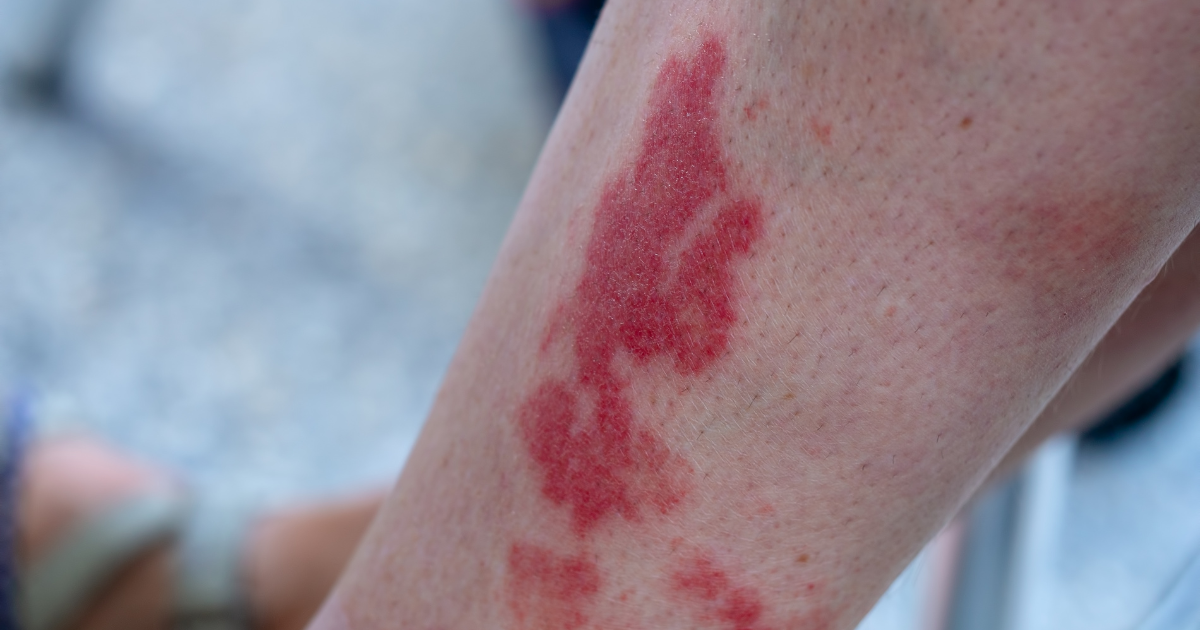
Inflamed vessels become leaky, allowing blood cells and fluid to escape into surrounding tissues.
Result:
- Skin rashes (purpura)
- Swelling (edema)
- Bruising without injury
This is especially common in small-vessel vasculitis.
How Different Organs Are Affected
Heart
- Reduced blood supply
- Risk of heart attack or heart failure
Brain & Nerves
- Headaches
- Numbness, weakness
- Stroke-like symptoms
Lungs
- Shortness of breath
- Coughing up blood
Kidneys
- Protein or blood in urine
- Kidney failure if untreated
Skin
- Red or purple spots
- Painful ulcers
Why Symptoms Differ From Person to Person
Vasculitis symptoms depend on:
- Size of blood vessels involved (small, medium, large)
- Organs affected
- Severity and duration of inflammation
This explains why one patient may only have skin rashes, while another develops serious organ damage.
How Doctors Detect These Changes
Doctors use a combination of:
- Blood tests (inflammation markers, antibodies)
- Imaging (CT, MRI, angiography) to see vessel narrowing or aneurysms
- Biopsy to confirm vessel wall inflammation
Early detection prevents irreversible vessel damage.
How Treatment Protects Blood Vessels
Treatment aims to:
- Suppress immune attack
- Reduce inflammation
- Prevent narrowing, clots, and rupture
Common treatments include:
- Corticosteroids
- Immunosuppressive drugs
- Biologic therapies (targeted immune control)
With proper treatment, blood vessels can heal and regain function.
Key Takeaway
During vasculitis, blood vessels undergo inflammation, narrowing, weakening, clot formation, and leakage. These internal changes disrupt blood flow and damage organs, explaining the wide range of symptoms seen in vasculitis patients. Early diagnosis and treatment are essential to protect blood vessels and prevent long-term complications.
FAQs
Q. Is blood vessel damage permanent in vasculitis?
If treated early, damage may be reversible. Delayed treatment can cause permanent injury.
Q. Does vasculitis affect all blood vessels?
No. It usually targets specific vessel sizes depending on the type of vasculitis.
Q. Can lifestyle changes help protect blood vessels?
Yes. Anti-inflammatory diet, quitting smoking, stress control, and regular follow-ups support vascular health.