

Introduction
Winter can be harsh for everyone’s skin, but for those living with vasculitis or other autoimmune diseases, cold weather brings unique challenges. Dry air, reduced blood circulation, and temperature changes can worsen skin sensitivity, rashes, and ulcers. Proper skin care during winter is essential to prevent complications and maintain comfort.
1. Understand Why Winter Worsens Symptoms
Cold weather causes blood vessels to constrict, reducing blood flow to the skin. In patients with vasculitis, where blood vessel inflammation is already present, this can increase pain, discoloration, and slow healing. Additionally, autoimmune patients often have dry and sensitive skin due to medications like steroids or immunosuppressants.
2. Keep Skin Moisturized Regularly
Apply fragrance-free moisturizers or ceramide-based creams immediately after bathing. Look for ingredients like:
- Shea butter
- Petrolatum
- Glycerin
- Hyaluronic acid
Avoid alcohol-based lotions as they may dry out the skin. Ointments and creams are better than lotions in winter.
3. Use Lukewarm Water, Not Hot
Hot water strips away natural oils and worsens dryness. Use lukewarm water for bathing and limit showers to 10–15 minutes. After bathing, pat your skin gently and apply moisturizer while the skin is still damp.
4. Protect Skin from Cold and Wind
When stepping outdoors, cover exposed areas using gloves, scarves, and full sleeves. Wool can irritate the skin—so choose cotton layers underneath. For patients with Raynaud’s phenomenon (often associated with vasculitis), keeping the hands and feet warm is critical to avoid flare-ups.
5. Stay Hydrated from the Inside
In winter, we tend to drink less water—but dehydration can worsen dryness and skin flakiness. Drink enough water, soups, and herbal teas to maintain hydration. Include omega-3 fatty acids (found in flaxseeds, walnuts, and fish) for skin and vascular health.
6. Use a Humidifier Indoors
Indoor heating can make the air dry, further irritating your skin. Use a humidifier to maintain indoor humidity around 40–50%, which helps prevent skin dryness and nasal irritation.
7. Avoid Scratching or Rubbing
Itchy or dry skin may tempt you to scratch, but this can lead to skin breaks or ulcers, especially in vasculitis patients. Use anti-itch creams (like calamine or aloe vera gel) and wear soft, breathable fabrics.
8. Watch for Warning Signs
Keep an eye out for:
- New red or purple rashes
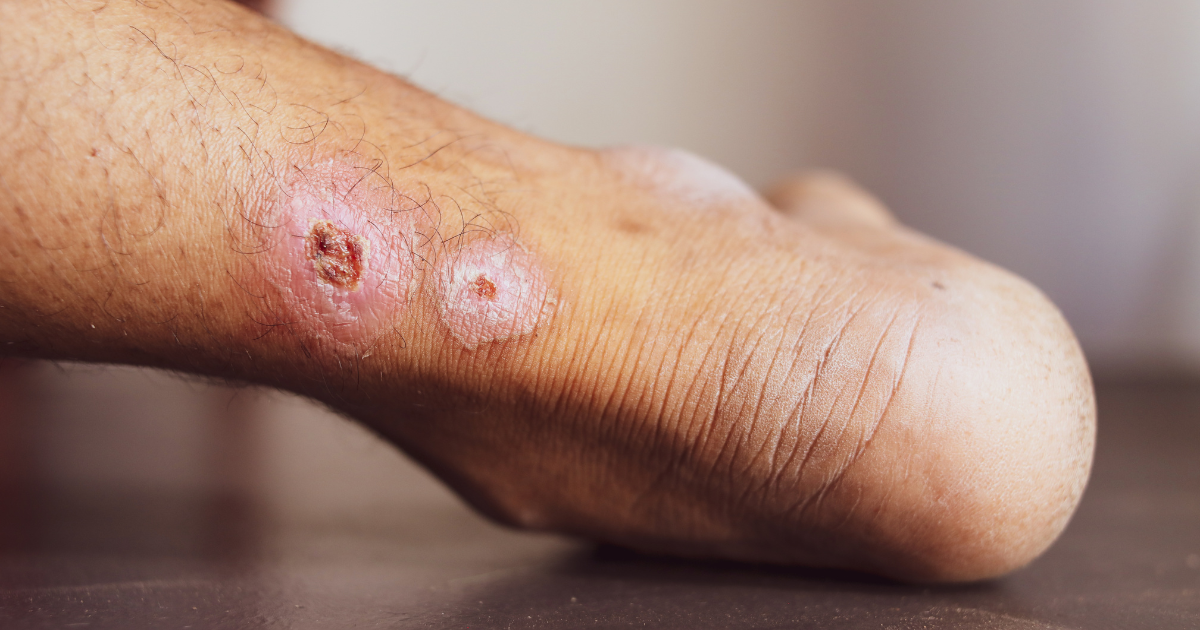
- Skin ulcers that do not heal
- Severe dryness or cracking
- Color changes in toes or fingers
If any of these occur, consult your dermatologist or rheumatologist immediately, as they may signal vasculitis flare-ups or poor circulation.
9. Balanced Diet for Healthy Skin
Include anti-inflammatory and skin-healing foods such as:
- Vitamin C-rich fruits (oranges, amla)
- Vitamin E (almonds, sunflower seeds)
- Zinc and iron (spinach, lentils)
- Omega-3-rich foods (fish, chia seeds)
Avoid processed and high-sugar foods, as they may increase inflammation.
10. Be Gentle with Medications
Some medications used in autoimmune diseases (like steroids) can thin the skin. Avoid strong exfoliants or chemical-based products. Always check with your doctor before using new creams or herbal remedies.
Conclusion
Winter may be tough, but with the right care, you can protect your skin and prevent vasculitis-related flare-ups. Gentle hydration, warmth, and awareness are key. Listen to your body, maintain regular follow-ups, and keep your skin barrier strong all season long.