
Back pain is one of the most common health complaints worldwide. Many people who experience lower back pain or pain traveling down the leg often assume they have sciatica. However, in some cases, the actual cause may be a chronic inflammatory condition called Ankylosing Spondylitis (AS).
Because both conditions can cause back pain and discomfort around the hips or legs, they are often confused with each other. But the truth is — Ankylosing Spondylitis and sciatica are not the same condition.
Understanding the difference is important because the causes, treatment approaches, and long-term outcomes are completely different.
What Is Ankylosing Spondylitis?
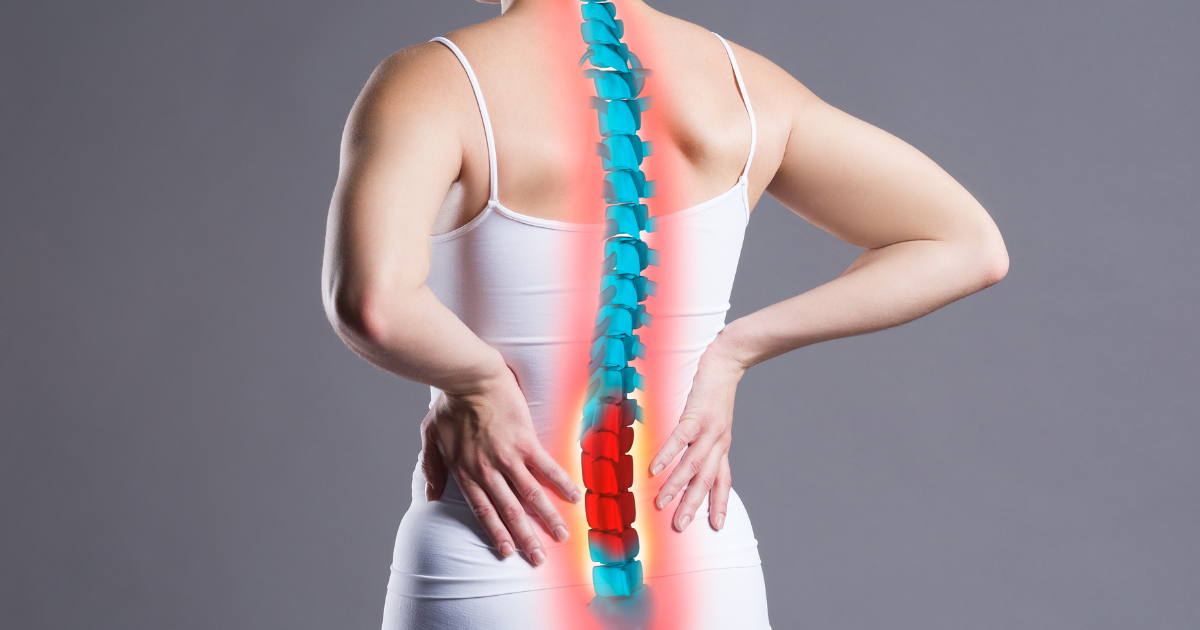
Ankylosing Spondylitis is a chronic autoimmune inflammatory disease that mainly affects the spine and sacroiliac joints. In AS, the immune system mistakenly attacks joints and ligaments, leading to inflammation, pain, and stiffness.
Over time, chronic inflammation can cause:
- Reduced spinal flexibility
- Posture changes
- Joint damage
- Spinal fusion in severe cases
AS usually starts before the age of 40 and develops gradually over time.
What Is Sciatica?
Sciatica is not a disease itself. It is a symptom caused by irritation or compression of the sciatic nerve, the largest nerve in the body.
The sciatic nerve runs from the lower back through the hips and down each leg. When this nerve gets compressed, it causes pain that travels along the nerve pathway.
Common causes of sciatica include:
- Herniated disc
- Spinal disc bulge
- Spinal stenosis
- Muscle pressure
- Injury
Sciatica is usually mechanical rather than inflammatory.
Why Are AS and Sciatica Confused?
Both conditions may cause:
- Lower back pain
- Hip discomfort
- Buttock pain
- Leg pain
- Difficulty moving
Because of these overlapping symptoms, many patients initially believe they have sciatica when they may actually have inflammatory back pain from AS.
Key Differences Between Ankylosing Spondylitis and Sciatica
| Feature | Ankylosing Spondylitis | Sciatica |
| Cause | Autoimmune inflammation | Nerve compression |
| Age | Usually before 40 | Any age |
| Pain Type | Deep inflammatory pain | Sharp shooting nerve pain |
| Morning Stiffness | Common | Rare |
| Pain Improves With | Exercise and movement | Rest or posture change |
| Pain Worsens With | Rest and inactivity | Sitting, bending, coughing |
| Leg Pain | Less common | Very common |
| Duration | Chronic and progressive | Often temporary |
| Other Symptoms | Fatigue, eye inflammation | Numbness, tingling |
| Spine Damage | Possible over time | Usually absent |
Symptoms of Ankylosing Spondylitis
AS symptoms usually develop slowly and worsen over time.
Common symptoms include:
- Chronic lower back pain
- Morning stiffness lasting more than 30 minutes
- Pain improving with movement
- Buttock pain on both sides
- Fatigue
- Neck stiffness
- Reduced flexibility
Some people may also experience:
- Eye inflammation (uveitis)
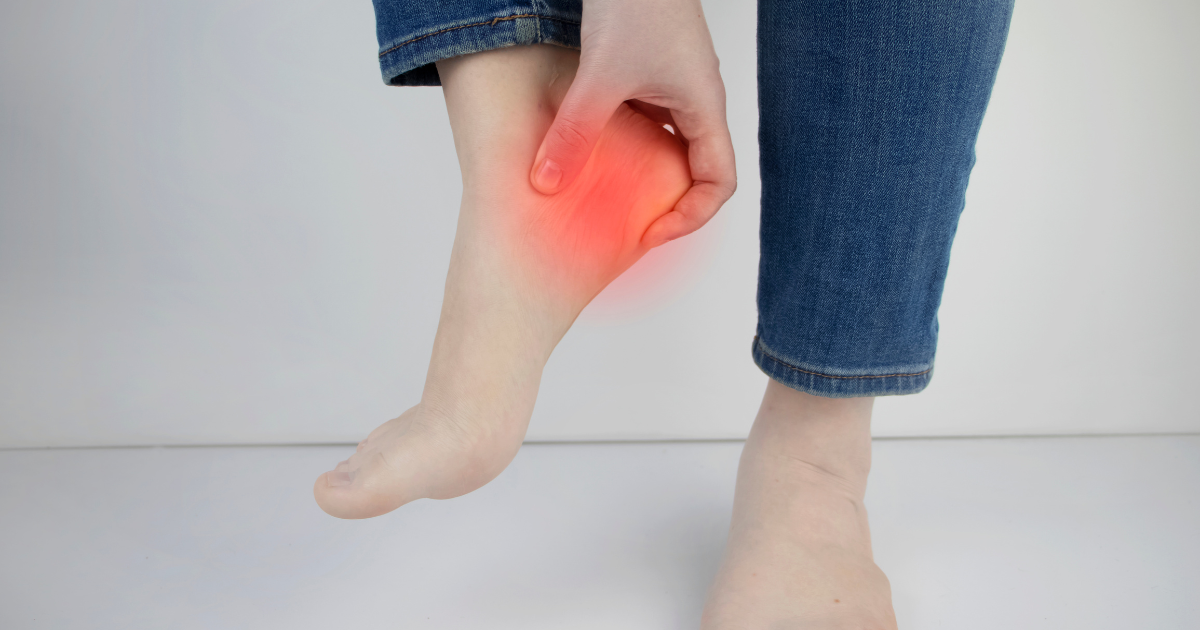
- Heel pain
- Rib stiffness
- Joint swelling
Symptoms of Sciatica
Sciatica symptoms usually occur suddenly and affect one side of the body.
Typical symptoms include:
- Sharp shooting pain down the leg
- Burning or electric shock-like sensation
- Numbness or tingling
- Weakness in the leg
- Pain worsening while sitting
- Pain triggered by coughing or sneezing
Sciatica mainly affects the nerve pathway rather than causing whole-body inflammation.
Can Ankylosing Spondylitis Cause Sciatica-Like Pain?
Yes.
Some people with Ankylosing Spondylitis may experience pain radiating into the buttocks or legs, which can resemble sciatica. This happens because inflammation around the sacroiliac joints can irritate nearby nerves and tissues.
However, true nerve compression is more typical of sciatica.
How Doctors Diagnose the Difference
Because symptoms may overlap, proper diagnosis is important.
Doctors may use:
For Ankylosing Spondylitis:
- Medical history
- Physical examination
- Blood tests (CRP, ESR, HLA-B27)
- MRI of sacroiliac joints
- X-rays
For Sciatica:
- Neurological examination
- MRI or CT scan of spine
- Straight leg raise test
- Evaluation for disc problems
MRI plays a major role in distinguishing inflammatory AS from nerve compression.
Treatment Differences
The treatments for AS and sciatica are very different because their causes are different.
Treatment for Ankylosing Spondylitis
AS treatment focuses on controlling inflammation and maintaining mobility.
Common treatments include:
- NSAIDs
- Biologic medications
- Physical therapy
- Stretching exercises
- Posture training
- Regular exercise
Long-term management is essential.
Treatment for Sciatica
Sciatica treatment focuses on relieving nerve pressure.
Common treatments include:
- Rest for short periods
- Pain medications
- Physiotherapy
- Hot or cold therapy
- Disc treatment if needed
Most cases improve within weeks or months.
When Should You See a Doctor?
You should seek medical advice if:
- Back pain lasts more than 3 months
- Morning stiffness is severe
- Pain improves with movement instead of rest
- Leg weakness or numbness develops
- Pain affects sleep or daily life
Early diagnosis of Ankylosing Spondylitis is especially important because untreated inflammation can lead to permanent spinal damage.
Can AS and Sciatica Occur Together?
Yes, although they are different conditions, a person can have both AS and sciatica at the same time. Chronic spinal inflammation in AS may increase stress on spinal structures, potentially leading to nerve irritation.
This makes professional evaluation even more important.
Conclusion
Although Ankylosing Spondylitis and sciatica both cause back pain, they are very different conditions.
- Ankylosing Spondylitis is a chronic autoimmune inflammatory disease affecting the spine and joints.
- Sciatica is a nerve-related condition caused by compression of the sciatic nerve.
Recognizing the difference is important because early diagnosis and correct treatment can prevent complications and improve quality of life.
If you have persistent back pain, morning stiffness, or pain radiating to the legs, consult a Rheumatologist for proper evaluation.
FAQs
1. Is Ankylosing Spondylitis a type of sciatica?
No. AS is an inflammatory autoimmune disease, while sciatica is caused by nerve compression.
2. Can AS cause leg pain?
Yes, AS can sometimes cause buttock or leg pain that may resemble sciatica.
3. Does sciatica cause morning stiffness?
Usually no. Morning stiffness is more common in Ankylosing Spondylitis.
4. Which condition is more serious?
AS can lead to long-term spinal damage if untreated, while most sciatica cases improve with treatment.
5. Can MRI distinguish AS from sciatica?
Yes. MRI helps detect inflammation in AS and nerve compression in sciatica.