
Introduction
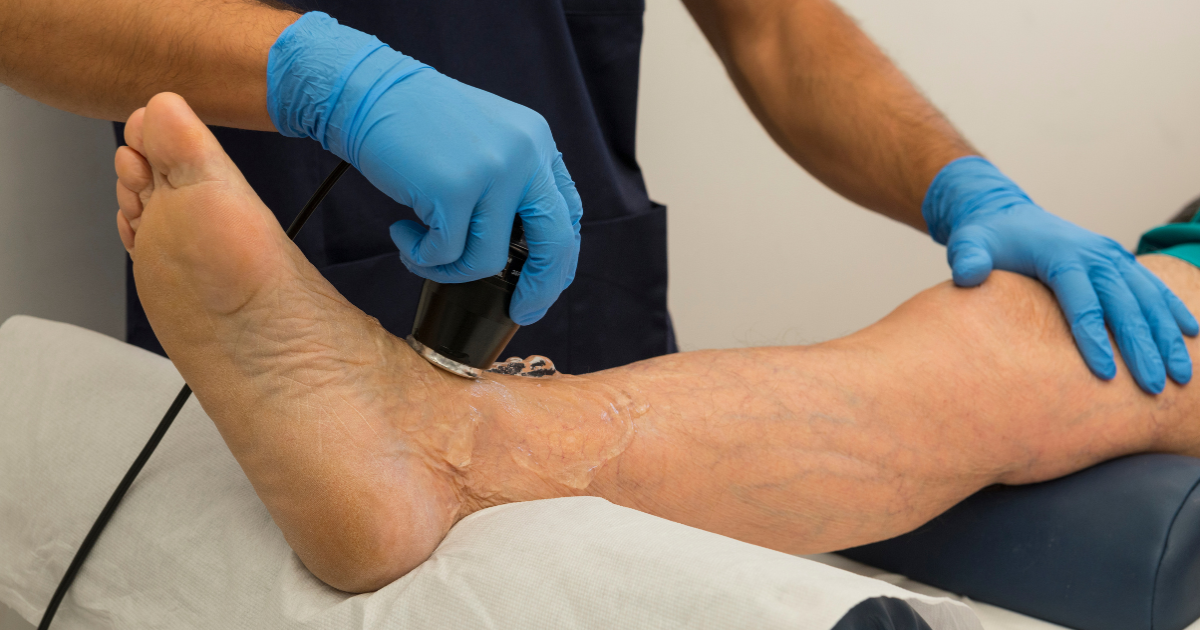
Vasculitis is a condition that causes inflammation of blood vessels, which can affect multiple organs and systems in the body. It may present with a wide range of symptoms such as fatigue, pain, skin changes, and organ dysfunction, making it a complex disease to manage.
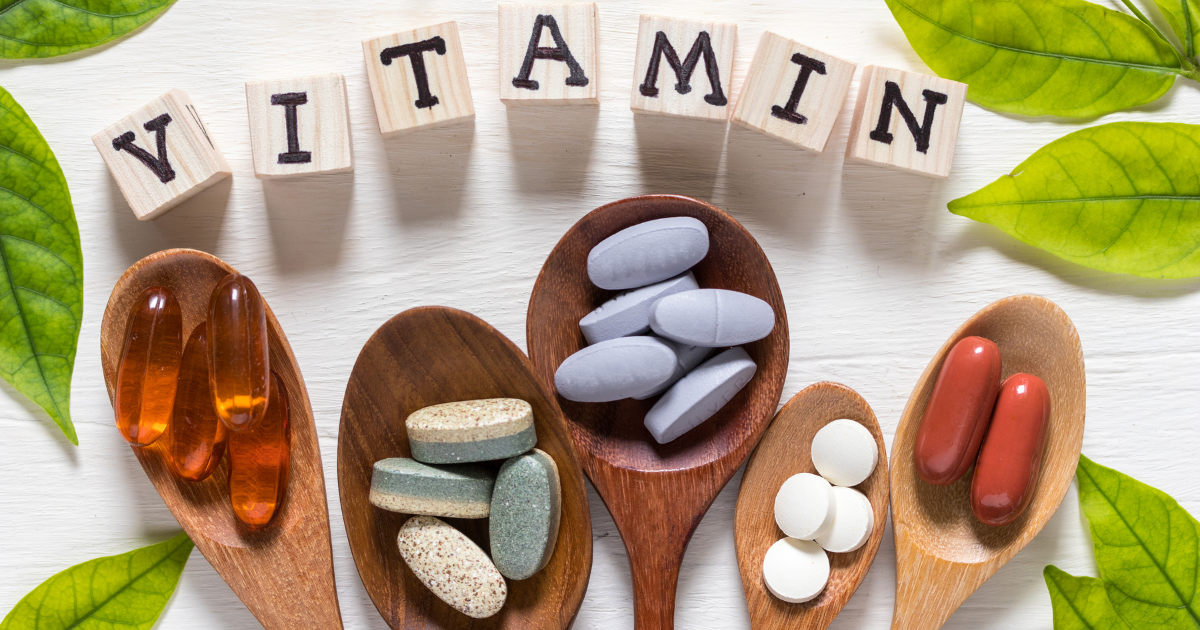
While medications play a key role in controlling vasculitis, many patients overlook an important factor—vitamin deficiencies. Due to chronic inflammation, reduced appetite, medication side effects, and organ involvement, people with vasculitis are at a higher risk of developing nutritional imbalances.
Identifying and correcting these deficiencies can improve energy levels, support immune function, reduce complications, and enhance overall recovery and quality of life.
Why Do Vitamin Deficiencies Occur in Vasculitis?
Several factors contribute to vitamin deficiencies in vasculitis patients:
- Chronic inflammation affects nutrient absorption
- Medications (like steroids or immunosuppressants) alter metabolism
- Reduced appetite or dietary restrictions
- Kidney or gut involvement impacting absorption
- Increased nutritional needs during flare-ups
Common Vitamin Deficiencies in Vasculitis Patients
1. Vitamin D Deficiency
Vitamin D is essential for immune regulation and bone health.
Why it matters:
- Steroid use increases the risk of bone loss
- Low Vitamin D may worsen inflammation
Symptoms:
- Bone pain
- Fatigue
- Muscle weakness
Sources:
Sunlight, fortified milk, eggs, fatty fish
2. Vitamin B12 Deficiency
Vitamin B12 supports nerve function and red blood cell production.
Why it matters:
- Vasculitis affecting the gut may reduce absorption
- Long-term medication use may interfere
Symptoms:
- Tingling or numbness
- Weakness
- Memory issues
Sources:
Milk, eggs, meat, fortified cereals
3. Iron Deficiency
Iron is vital for oxygen transport in the blood.
Why it matters:
- Chronic inflammation may lead to anemia
- Blood loss (if GI tract is involved)
Symptoms:
- Extreme fatigue
- Pale skin
- Shortness of breath
Sources:
Green leafy vegetables, jaggery, lentils, red meat
4. Vitamin C Deficiency
Vitamin C helps in healing, immunity, and blood vessel health.
Why it matters:
- Supports repair of damaged blood vessels
- Reduces oxidative stress
Symptoms:
- Frequent infections
- Slow wound healing
- Gum bleeding
Sources:
Citrus fruits, amla, guava, bell peppers
5. Calcium Deficiency
Calcium is crucial for bone strength, especially in patients on steroids.
Why it matters:
- Long-term steroid use weakens bones
- Increases fracture risk
Symptoms:
- Bone pain
- Muscle cramps
- Weak nails
Sources:
Milk, curd, paneer, sesame seeds
Signs You May Have a Deficiency
Watch for these warning signs:
- Persistent fatigue
- Hair loss
- Weakness or dizziness
- Frequent infections
- Numbness or tingling
- Poor wound healing
These symptoms may overlap with vasculitis, so proper testing is important.
What Tests Should You Check?
Doctors may recommend:
- Vitamin D levels
- Vitamin B12 levels
- Iron studies (Ferritin, Hemoglobin)
- Calcium levels
- Complete blood count (CBC)
Regular monitoring helps detect deficiencies early.
How to Prevent Vitamin Deficiencies
1. Balanced Diet
Include:
- Fruits and vegetables
- Whole grains
- Protein-rich foods
- Healthy fats
2. Supplements (if prescribed)
- Only take supplements under medical guidance
- Avoid self-medication
3. Sun Exposure
- 15–20 minutes daily for Vitamin D
4. Regular Check-ups
- Especially if on long-term medication
Important Note
Every vasculitis patient is different. Nutritional needs may vary based on:
- Type of vasculitis
- Organs involved
- Medications used
Always consult your doctor before starting supplements.
Conclusion
Vitamin deficiencies are common but often overlooked in vasculitis patients. Nutrients like Vitamin D, B12, Iron, Vitamin C, and Calcium play a vital role in managing symptoms, supporting immunity, and preventing complications.
Regular testing, a balanced diet, and timely supplementation can significantly improve overall health and quality of life in people living with vasculitis.
FAQs
Q. Do all vasculitis patients have vitamin deficiencies?
Not all, but many are at risk due to inflammation and medications.
Q. Should I take multivitamins daily?
Only if recommended by your doctor after proper testing.
Q. Can diet alone correct deficiencies?
Mild deficiencies may improve with diet, but severe cases need supplements.
Q. How often should I check vitamin levels?
Usually every 6–12 months, or as advised by your doctor.
Q. Which vitamin deficiency is most common in vasculitis patients?
Vitamin D deficiency is one of the most common due to inflammation, reduced sun exposure, and long-term steroid use.
Q. Can vitamin deficiencies worsen vasculitis symptoms?
Yes, deficiencies can increase fatigue, weaken immunity, and slow recovery, potentially worsening overall symptoms.