
Introduction
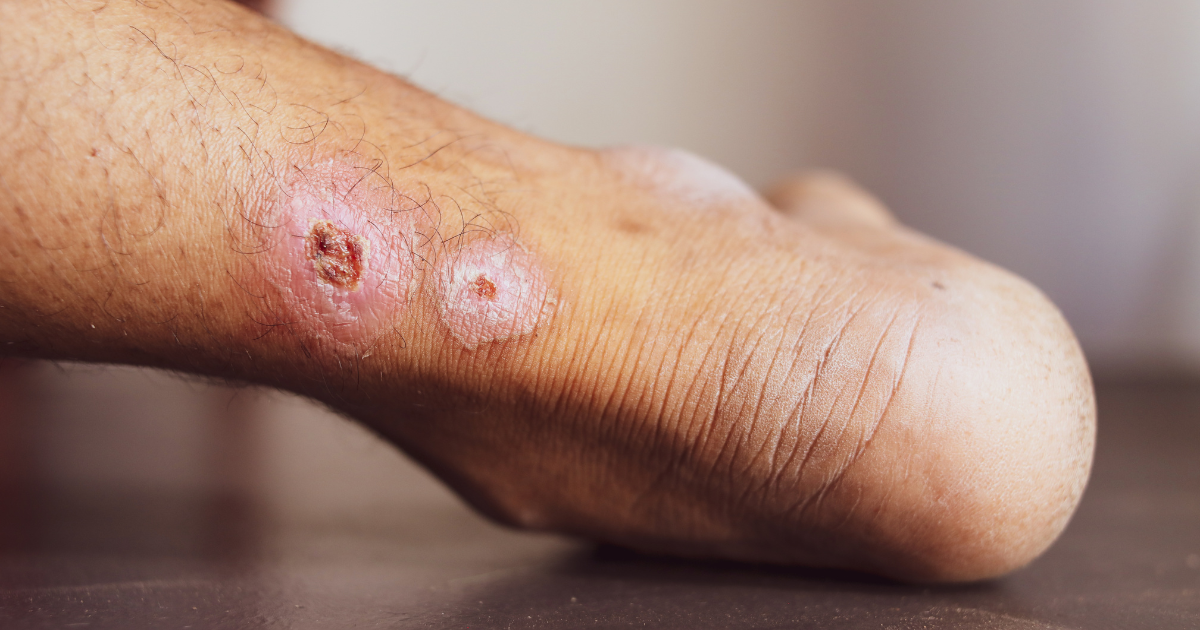
Vasculitis is a condition where blood vessels become inflamed, affecting blood flow and leading to symptoms like pain, fatigue, skin issues, and organ complications. It is a chronic condition that can vary from mild to severe depending on the organs involved.
While medications are essential for controlling the disease, diet plays a powerful and supportive role in reducing inflammation, boosting immunity, and improving overall health. Many patients often overlook the impact of daily food choices on their condition.
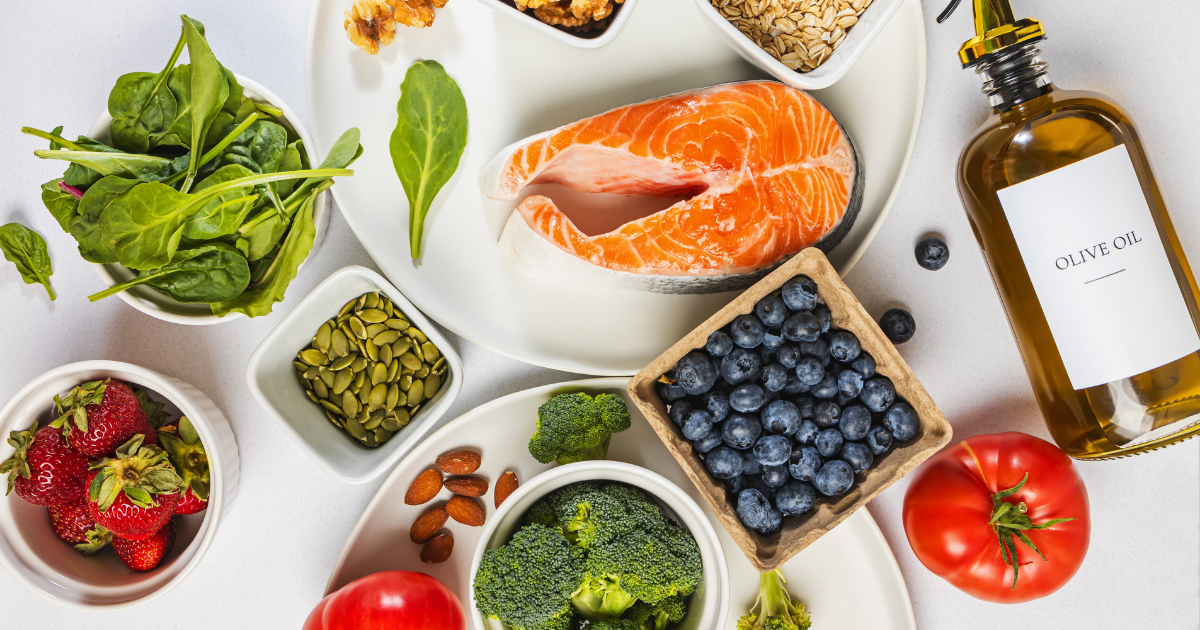
An anti-inflammatory Indian diet plan can help manage vasculitis symptoms naturally by reducing flare-ups, supporting recovery, and enhancing quality of life when followed consistently along with proper medical treatment.
Why Diet Matters in Vasculitis
Inflammation is the core problem in vasculitis. Certain foods can:
- ✅ Reduce inflammation
- ✅ Improve blood circulation
- ✅ Support immune system balance
- ❌ Or worsen inflammation if unhealthy
Choosing the right foods can make a significant difference in symptom control and quality of life.
Key Principles of an Anti-Inflammatory Indian Diet
1. Focus on Whole, Natural Foods
- Fresh fruits and vegetables
- Whole grains (avoid refined flour)
- Home-cooked meals
Avoid processed and packaged foods as much as possible.
2. Include Anti-Inflammatory Spices
Indian kitchen spices are powerful natural healers:
- Haldi (Turmeric) – contains curcumin, reduces inflammation
- Adrak (Ginger) – improves digestion and reduces pain
- Lahsun (Garlic) – supports immunity
- Dalchini (Cinnamon) – helps control inflammation
3. Choose Healthy Fats
- Mustard oil, olive oil, groundnut oil (in moderation)
- Nuts like almonds and walnuts
- Seeds like flaxseeds and chia seeds
Omega-3 fatty acids help reduce inflammation.
4. Stay Hydrated
- Drink 2.5–3 liters of water daily
- Coconut water and herbal teas are beneficial
Best Indian Foods for Vasculitis Patients
Vegetables
- Spinach (Palak), broccoli, bottle gourd (लौकी), carrots
- Bitter gourd (karela) – supports metabolism
Fruits
- Papaya, apple, pomegranate, berries
- Citrus fruits like orange and mosambi (rich in Vitamin C)
Whole Grains
- Brown rice
- Oats
- Millets (jowar, bajra, ragi)
Protein Sources
- Moong dal, masoor dal
- Chickpeas (chana)
- Paneer (low-fat)
- Eggs and fish (if non-vegetarian)
Dairy (in moderation)
- Low-fat milk
- Curd (probiotics for gut health)
Foods to Avoid in Vasculitis
Avoid foods that increase inflammation:
- Fried and oily foods
- Refined sugar and sweets
- Processed snacks (chips, biscuits)
- White bread, maida products
- Excess salt
- Alcohol and smoking
Sample 1-Day Anti-Inflammatory Indian Diet Plan
Morning (Empty Stomach)
- Warm water with turmeric or lemon
Breakfast
- Vegetable oats / poha with peanuts
- 1 fruit (apple or papaya)
Mid-Morning Snack
- Coconut water or green tea
- Handful of almonds/walnuts
Lunch
- 1–2 multigrain rotis or brown rice
- Moong dal
- Seasonal green vegetable
- Salad (cucumber, carrot, beetroot)
- Curd
Evening Snack
- Roasted chana or sprouts chaat
- Herbal tea
Dinner
- Light meal: vegetable khichdi / dal + sabzi
- Avoid heavy, oily food
Before Bed
- Warm turmeric milk (optional)
Lifestyle Tips Along with Diet
- Practice yoga and meditation
- Do light daily exercise (walking, stretching)
- Get 7–8 hours of sleep
- Avoid stress and smoking
- Follow regular doctor check-ups
Important Note
Every vasculitis patient is different. Some may have:
- Kidney involvement
- Diabetes or hypertension
- Medication side effects
Always consult your doctor or dietitian before making major dietary changes.
Conclusion
An anti-inflammatory Indian diet plan can play a vital role in managing vasculitis. By choosing the right foods, avoiding triggers, and maintaining a healthy lifestyle, patients can reduce inflammation, control symptoms, and improve overall well-being.
Diet is not a replacement for medical treatment, but it is a powerful support system for long-term health.
FAQs
Q. Can diet cure vasculitis?
No, but it helps manage symptoms and reduces inflammation.
Q. Is turmeric good for vasculitis?
Yes, turmeric has strong anti-inflammatory properties.
Q. Can vasculitis patients eat rice?
Yes, but prefer brown rice or controlled portions of white rice.
Q. Can spicy Indian food worsen vasculitis?
Excessively spicy and oily food may trigger inflammation in some patients, so it’s best to consume mild, balanced meals.
Q. Should vasculitis patients avoid dairy products?
Not necessarily. Low-fat dairy like curd and milk can be consumed in moderation unless it triggers symptoms.