
Introduction
India’s summer brings extreme heat, rising temperatures, and increased sweating. While most people focus on avoiding heatstroke, one hidden risk that often goes unnoticed is the increase in gout attacks due to dehydration.
If you suffer from high uric acid or gout, summer can silently worsen your condition. Many patients report more frequent and painful gout flares during hot months.
But why does this happen? And how can you prevent it?
Let’s understand the science behind summer dehydration and gout attacks in India.
What Is Gout?
Gout is a form of inflammatory arthritis caused by high uric acid levels in the blood. When uric acid increases beyond normal levels, it forms sharp crystals in joints, leading to:
- Sudden severe pain
- Swelling
- Redness
- Warmth in joints
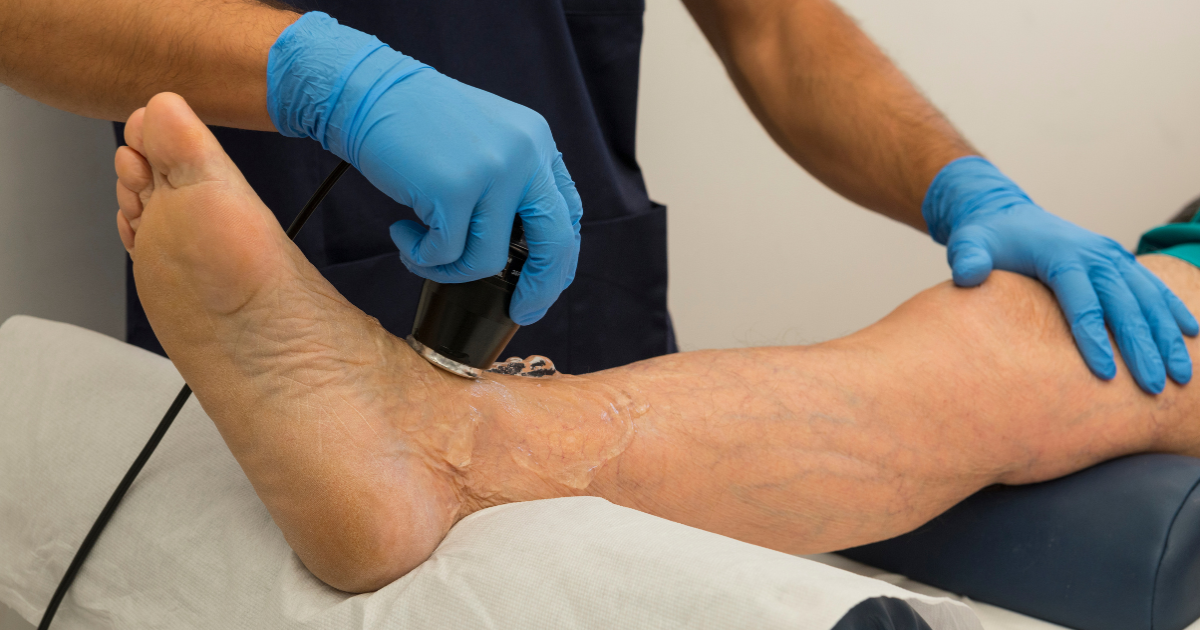
The big toe, ankle, and foot joints are most commonly affected.
Why Are Gout Attacks More Common in Summer?
1️. Dehydration Increases Uric Acid Concentration
During summer:
- You sweat more
- Your body loses fluids quickly
- You may not drink enough water
This leads to dehydration, which causes:
➡️ Reduced blood volume
➡️ Higher concentration of uric acid
➡️ Increased risk of crystal formation
👉 Simply put, less water = more uric acid concentration = higher gout risk.
2️. Reduced Kidney Function During Dehydration
Your kidneys play a key role in removing uric acid.
When you are dehydrated:
- Kidney filtration slows down
- Less uric acid is excreted
- Uric acid builds up in the body
This is a major trigger for gout attacks in hot weather.
3. Increased Consumption of Sugary and Cold Drinks
In India, summer often leads to higher intake of:
- Soft drinks
- Packaged juices
- Energy drinks
- Sweet beverages
These drinks contain fructose, which:
➡️ Increases uric acid production
➡️ Triggers gout flares
👉 Ironically, what you drink to cool down may worsen gout.
4. Alcohol Consumption in Summer
Many people consume more:
- Beer
- Alcoholic beverages
Beer is particularly harmful because:
- It is high in purines
- It increases uric acid production
- It causes dehydration
This combination significantly increases the risk of gout attacks.
5. Heat Stress and Inflammation
Extreme heat can:
- Increase stress hormones
- Trigger inflammatory responses in the body
This may worsen existing gout symptoms and make attacks more severe.
Warning Signs of Dehydration-Triggered Gout
Watch out for these early signs during summer:
- Dry mouth and excessive thirst
- Dark yellow urine
- Fatigue or dizziness
- Mild joint discomfort at night
- Sudden pain in the toe or foot
These signs often appear before a full gout attack.
How to Prevent Gout Attacks in Summer
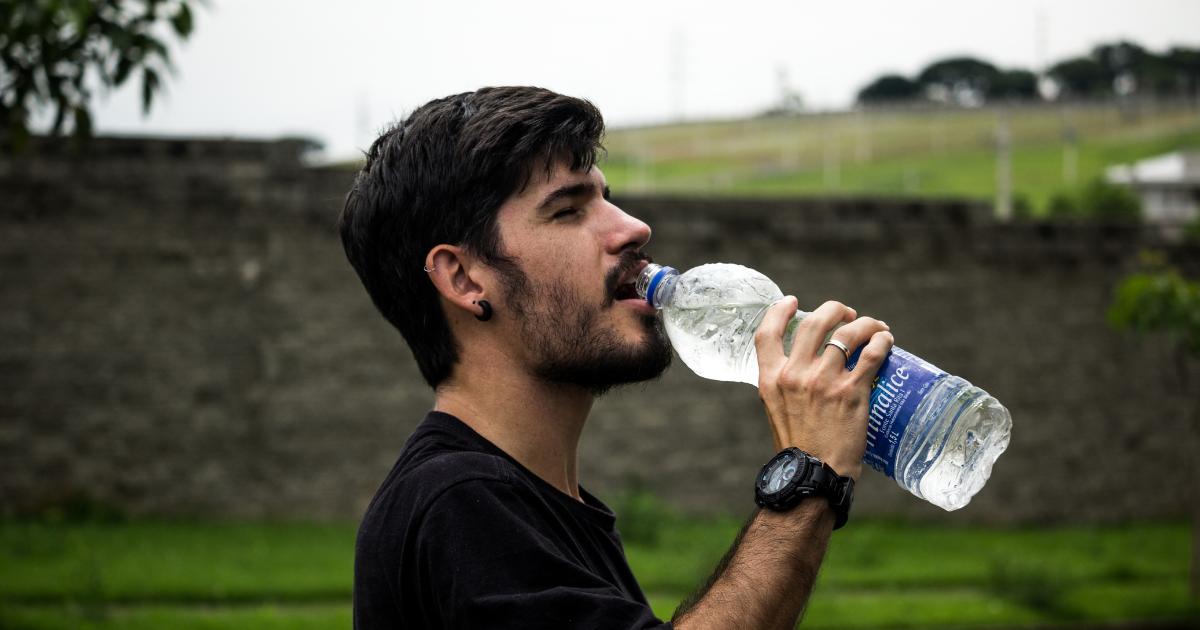
1. Stay Well Hydrated
This is the most important step.
- Drink at least 2.5–3 liters of water daily
- Increase intake if you sweat more
- Include:
- Coconut water
- Buttermilk
- Lemon water (without sugar)
Proper hydration helps kidneys flush out uric acid.
2. Choose Summer-Friendly Foods
Eat more:
- Water-rich fruits (watermelon, cucumber, orange)
- Green vegetables
- Low-fat dairy
Avoid:
- Red meat
- Seafood
- Fried foods
- High-sugar snacks
3. Limit Sugary Drinks and Alcohol
- Avoid soft drinks and packaged juices
- Reduce alcohol intake, especially beer
Replace with natural drinks like:
- Fresh lime water
- Coconut water
4. Avoid Extreme Heat Exposure
- Stay indoors during peak afternoon hours
- Wear light, breathable clothing
- Avoid excessive physical exertion in heat
5. Maintain a Healthy Lifestyle
- Keep your weight under control
- Exercise moderately (avoid overexertion in heat)
- Sleep well
6. Monitor Uric Acid Levels
- Get regular blood tests
- Follow prescribed medications
- Do not stop medicines in summer without consulting your doctor
Who Is at Higher Risk?
In India, these groups are more vulnerable to summer gout attacks:
- People with existing gout
- Individuals with high uric acid
- Diabetic patients
- People with kidney disease
- Overweight individuals
- Outdoor workers exposed to heat
When Should You See a Doctor?
Seek medical advice if you experience:
- Sudden severe joint pain (especially at night)
- Swelling and redness in joints
- Repeated gout attacks
- Symptoms of dehydration with joint pain
Early treatment can prevent complications like:
- Chronic gout
- Joint damage
- Kidney stones
Conclusion
Summer in India can silently increase the risk of gout attacks due to dehydration, poor dietary choices, and heat stress.
The key to prevention is simple yet powerful:
Stay hydrated, eat wisely, and monitor your health regularly.
By making small lifestyle changes, you can enjoy the summer season without the pain of gout attacks.
FAQs
Q1: Does summer really increase gout attacks?
Yes. Dehydration and dietary changes during summer increase uric acid levels and trigger gout.
Q2: How much water should a gout patient drink in summer?
At least 2.5–3 liters daily, more if sweating heavily.
Q3: Are cold drinks safe for gout patients?
No. Sugary drinks can increase uric acid levels.
Q4: Can lemon water help in summer gout prevention?
Yes, it may support hydration and uric acid control, but it is not a cure.