

Introduction
Your skin can often reveal what’s happening inside your body. In some autoimmune diseases like vasculitis, the skin becomes one of the first places where symptoms appear. Recognizing these early warning rashes can help detect vasculitis before it affects vital organs such as the kidneys, lungs, or heart.
In this blog, we will explore how vasculitis causes skin changes, the types of rashes to watch for, and what these symptoms mean for your overall health.
What Is Vasculitis?
Vasculitis refers to inflammation of blood vessels. This inflammation can cause the vessel walls to thicken, narrow, or even block blood flow, leading to tissue damage in various parts of the body.
Vasculitis can be:
- Primary, when it occurs on its own.
- Secondary, when linked to another autoimmune condition such as Rheumatoid Arthritis, Lupus, or Sjögren’s Syndrome.
Depending on the size and location of the affected blood vessels, vasculitis can range from mild and skin-limited to severe and systemic.
Why Skin Symptoms Are So Important
The skin is the largest and most visible organ of the body, making it one of the easiest places to spot early signs of inflammation.
In some patients, skin involvement may be the first and only symptom of vasculitis for months before other organs are affected.
Recognizing these rashes early allows doctors to:
- Diagnose vasculitis before serious complications occur.
- Start treatment early to prevent tissue and organ damage.
- Monitor disease activity more accurately.
Common Skin Changes Seen in Vasculitis
Vasculitis can affect small, medium, or large blood vessels, and each type shows distinct skin features. Below are the most common skin changes to look out for.
1. Purpura (Red or Purple Spots)
- One of the earliest and most typical signs.
- Appears as small red, purple, or brown spots, often on the legs, ankles, or buttocks.
- Caused by leakage of blood from inflamed vessels under the skin.
- The spots do not fade when pressed.
Note: When purpura are raised and tender, it is called palpable purpura, a hallmark sign of small-vessel vasculitis.
2. Livedo Reticularis (Net-like Rash)
- A mottled, lace-like purple pattern on the skin, often seen on the legs or arms.
- Indicates impaired blood flow in medium-sized vessels.
- May become more visible in cold weather.
- Commonly seen in conditions like Polyarteritis Nodosa or Cryoglobulinemic Vasculitis.
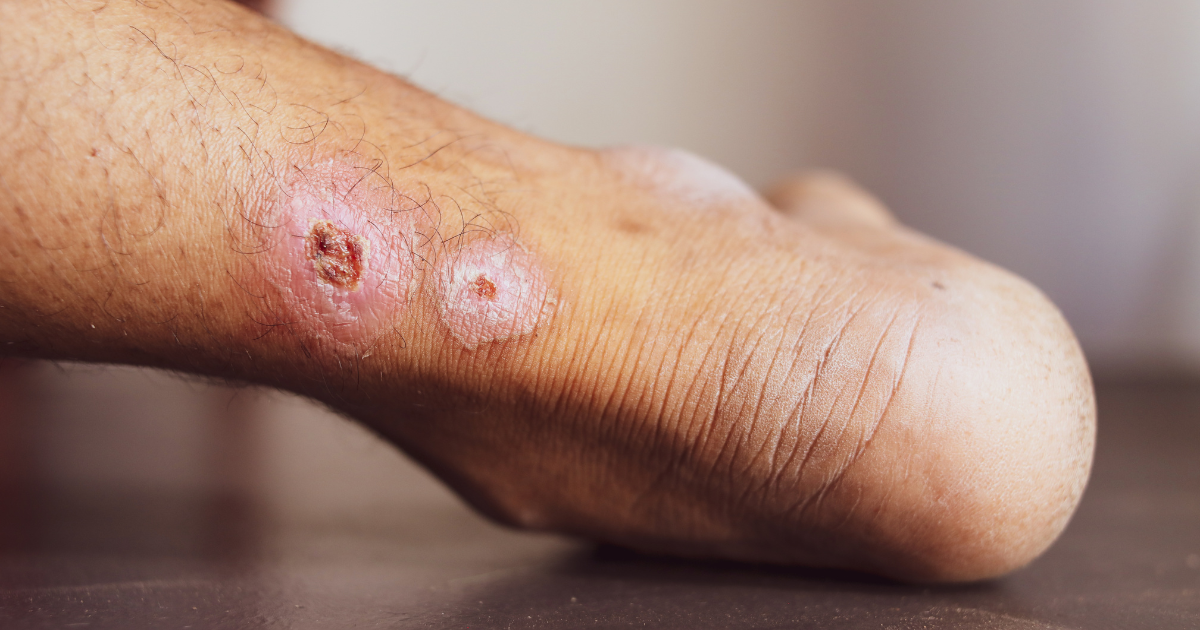
3. Ulcers or Open Wounds
- Chronic inflammation damages blood vessels and reduces oxygen supply to the skin.
- This leads to painful ulcers, often around the ankles or lower legs.
- These ulcers can take a long time to heal and may resemble infections or diabetic wounds.
4. Nodules (Painful Skin Lumps)
- Firm, tender lumps under the skin, caused by inflammation in medium-sized arteries.
- Found mostly on legs, forearms, or scalp.
- In severe cases, the overlying skin can break down and form ulcers.
5. Blisters or Necrosis (Skin Death)
- Severe vasculitis may cut off blood flow completely, causing skin tissue death (necrosis).
- Appears as black or bluish areas, blisters, or gangrene.
- Requires urgent medical attention.
6. Hives That Last Longer Than 24 Hours
- Unlike normal allergic hives, vasculitic hives (known as Urticarial Vasculitis) are painful or burning instead of itchy.
- They often last more than 24 hours and can leave behind bruising or discoloration.
Why Skin Vasculitis Happens
The exact cause of vasculitis is still not fully understood, but it is often linked to the immune system attacking blood vessels by mistake.
Potential triggers include:
- Autoimmune diseases (Rheumatoid Arthritis, Lupus, Sjögren’s Syndrome)
- Infections (hepatitis, bacterial or viral)
- Certain medications
- Genetic or environmental factors
When the immune system attacks, inflammatory cells damage vessel walls, leading to the visible rashes and ulcers seen on the skin.
When to See a Doctor
Seek medical help if you notice:
- A rash that doesn’t fade when pressed
- Painful spots, ulcers, or purple discoloration on the legs
- Hives that last longer than a day
- Any sudden change in skin color, especially if accompanied by fever or joint pain
Your doctor may perform:
- Blood tests (for inflammation and antibodies)
- Skin biopsy (to confirm vasculitis)
- Urine or organ function tests (to check internal involvement)
Treatment for Skin Vasculitis
Treatment depends on severity and underlying cause.
1. Mild or Skin-Only Vasculitis
- Often managed with anti-inflammatory medications or topical steroids.
- Identifying and removing any triggers (e.g., infection, drug) is crucial.
2. Moderate to Severe Vasculitis
- May require oral corticosteroids (prednisolone) to reduce inflammation.
- Immunosuppressive drugs like azathioprine, methotrexate, or mycophenolate help control the immune response.
3. Resistant or Systemic Cases
- Biologic therapies such as rituximab or infliximab target specific immune pathways.
- Wound care is essential to prevent infection in ulcerated areas.
4. Lifestyle Support
- Avoid smoking — it worsens blood flow.
- Maintain healthy diet rich in antioxidants.
- Manage stress, as it may worsen autoimmune flares.
Living with Vasculitis and Skin Involvement
Living with vasculitis can be emotionally and physically challenging. Here are practical tips for daily care:
- Protect your skin from trauma or scratches.
- Keep legs elevated if you have swelling or ulcers.
- Moisturize daily to prevent dryness and cracking.
- Avoid unnecessary sunlight exposure, as UV light can worsen inflammation in some cases.
- Follow up regularly with your rheumatologist or dermatologist to monitor disease activity.
FAQs
1. Can vasculitis affect only the skin?
Yes. In some cases, vasculitis is limited to the skin (cutaneous vasculitis) without internal organ involvement.
2. Is skin vasculitis contagious?
No. Vasculitis is an autoimmune condition and cannot spread from person to person.
3. Do vasculitis rashes itch?
Some do, but most are painful or burning rather than itchy.
4. Can skin vasculitis go away on its own?
Mild cases may resolve within weeks, but recurring or systemic cases need medical treatment.
5. What foods help reduce inflammation in vasculitis?
A balanced anti-inflammatory diet including fruits, vegetables, omega-3 fats, turmeric, and green leafy foods can help manage inflammation.
Conclusion
Skin rashes caused by vasculitis are more than just surface-level problems—they are warning signs of blood vessel inflammation that can affect deeper organs if ignored.
By learning to recognize these rashes early and seeking prompt medical care, patients can prevent complications and manage their condition effectively.
If you notice unexplained skin spots, ulcers, or discoloration that don’t heal, consult a rheumatologist or dermatologist immediately. Early detection can make all the difference in managing vasculitis successfully.