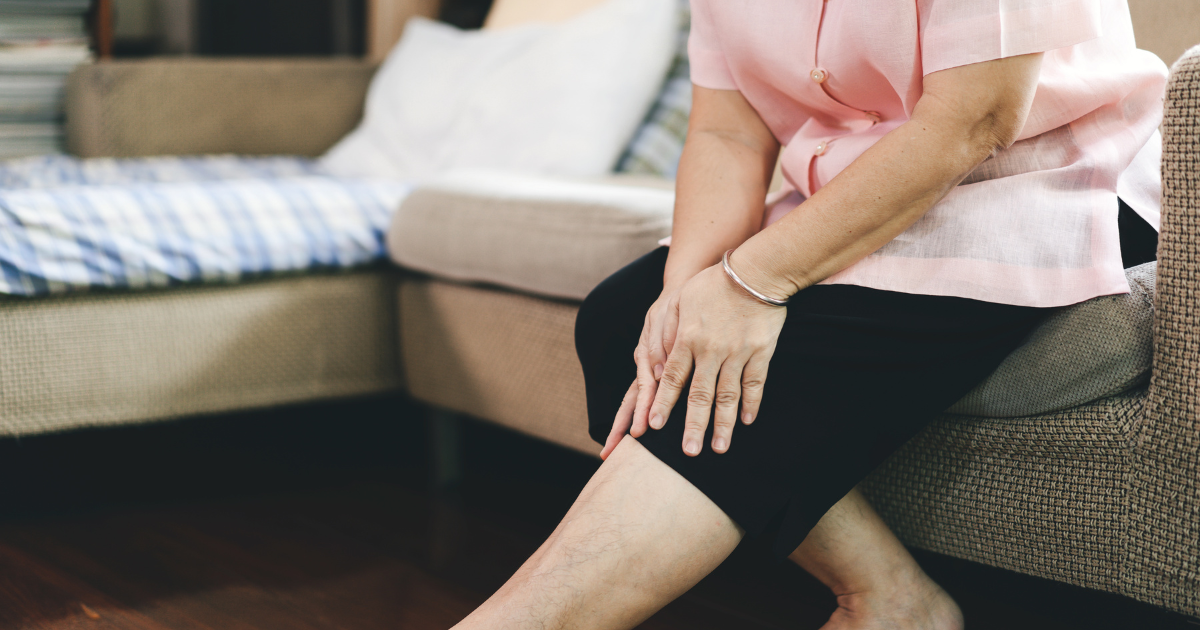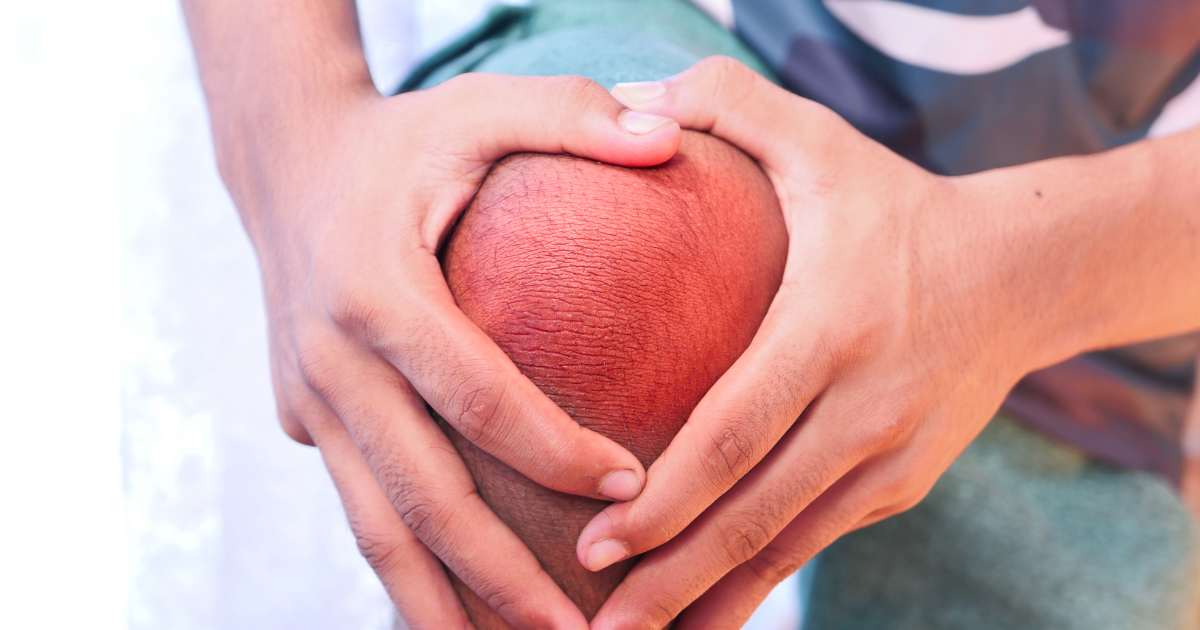

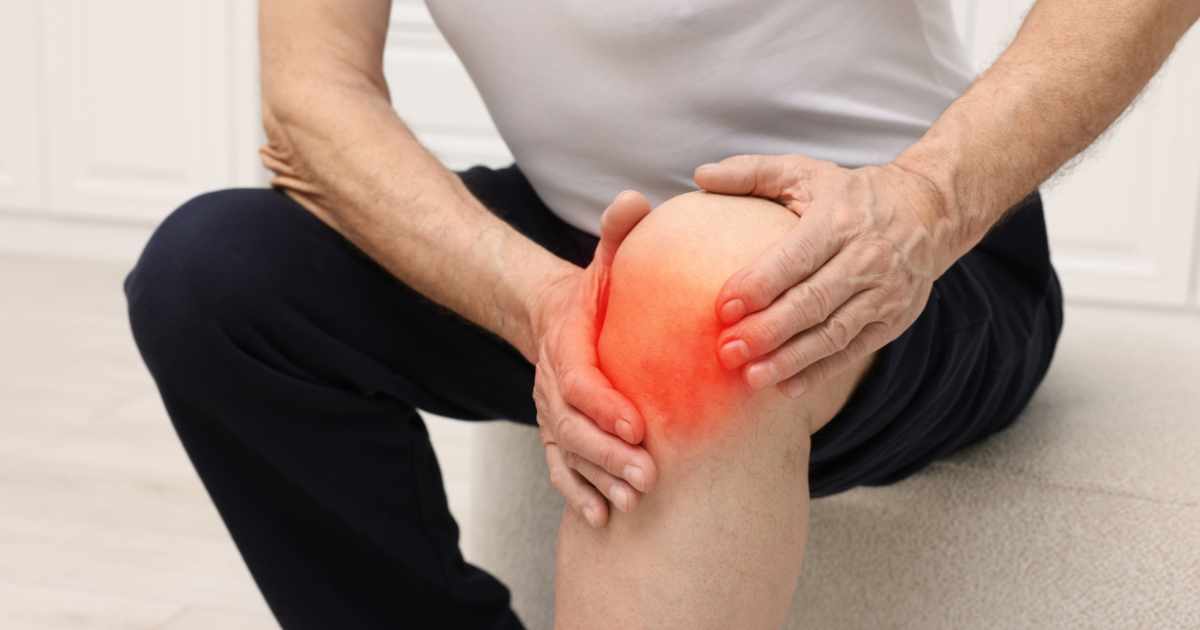
Knee osteoarthritis (OA) is a common condition that causes knee pain, stiffness, swelling, and reduced mobility. It happens when the cartilage in the knee joint gradually wears down, leading to friction between bones.
Many people think surgery is the only option—but the truth is, most patients can manage knee osteoarthritis effectively without surgery, especially in early and moderate stages.
In this blog, we will explore the top 10 non-surgical treatments for knee osteoarthritis that can help reduce pain, improve movement, and slow disease progression.
1. Weight Management
One of the most effective ways to reduce knee pain is losing excess weight.
Why it helps:
- Reduces pressure on knee joints
- Slows cartilage damage
- Improves mobility
Even 5–10% weight loss can significantly reduce knee pain.
2. Physiotherapy and Exercise
Regular exercise strengthens the muscles around the knee.
Benefits:
- Improves joint flexibility
- Reduces stiffness
- Enhances stability
Recommended exercises:
- Walking
- Quadriceps strengthening
- Stretching
- Cycling
A physiotherapist can design a personalized exercise plan.
3. Pain Relief Medications
Doctors may prescribe medications to control pain.
Common options:
- Paracetamol
- NSAIDs (like ibuprofen)
- Topical pain relief gels
These provide temporary relief, not a permanent solution.
4. Hot and Cold Therapy
Simple home-based therapy can be very effective.
How it works:
- Hot therapy: Relaxes muscles and improves blood flow
- Cold therapy: Reduces swelling and inflammation
👉 Use hot packs for stiffness and cold packs for swelling.
5. Knee Braces and Supports
Knee braces help stabilize the joint and reduce strain.
Benefits:
- Improves alignment
- Reduces pain during movement
- Provides support while walking
Especially useful for people with knee instability.
6. Injections (Non-Surgical)
Certain injections can provide longer-lasting relief.
Types:
- Corticosteroid injections – Reduce inflammation
- Hyaluronic acid injections – Improve joint lubrication
- PRP (Platelet-Rich Plasma) – Supports healing
These are done by specialists and may delay surgery.
7. Lifestyle Modifications
Small daily changes can make a big difference.
Tips:
- Avoid prolonged sitting
- Limit squatting and stair climbing
- Use proper footwear
- Maintain correct posture
Protecting your joints helps prevent further damage.
8. Anti-Inflammatory Diet
Diet plays an important role in managing osteoarthritis.
Include:
- Fruits and vegetables
- Omega-3 rich foods (fish, walnuts, flaxseeds)
- Whole grains
Avoid:
- Junk food
- Sugary drinks
- Processed food
A healthy diet reduces inflammation and joint pain.
9. Supplements for Joint Health
Some supplements may support joint function.
Common supplements:
- Glucosamine
- Chondroitin
- Vitamin D
- Calcium
👉 Always consult a doctor before starting supplements.
10. Alternative Therapies
Some patients benefit from complementary treatments.
Options:
- Acupuncture
- Yoga
- Ayurvedic therapies
- Massage therapy
These therapies can improve pain relief and relaxation.
When Should You Consider Surgery?
Non-surgical treatments are effective, but surgery may be needed if:
- Pain is severe and constant
- Daily activities become difficult
- Non-surgical methods stop working
Early treatment can delay or even avoid surgery.
Conclusion
Knee osteoarthritis does not always require surgery. With the right combination of weight control, exercise, medications, lifestyle changes, and supportive therapies, most patients can manage their symptoms effectively.
The key is early diagnosis and consistent management. If you are experiencing knee pain, don’t ignore it—start treatment early to protect your joints.
Frequently Asked Questions (FAQ)
1. Can knee osteoarthritis be treated without surgery?
Yes, most cases of knee osteoarthritis can be managed with non-surgical treatments like exercise, weight loss, medications, and lifestyle changes.
2. What is the best non-surgical treatment for knee osteoarthritis?
There is no single best treatment. A combination of physiotherapy, weight management, and medications usually works best.
3. How long does it take to see improvement with non-surgical treatments?
Most people start noticing improvement within 4 to 8 weeks if they follow treatment consistently.
4. Is walking good for knee osteoarthritis?
Yes, walking is one of the best low-impact exercises for knee osteoarthritis, as it helps maintain joint mobility.
5. Can knee osteoarthritis be completely cured?
No, it cannot be completely cured, but it can be effectively managed and controlled with proper care.