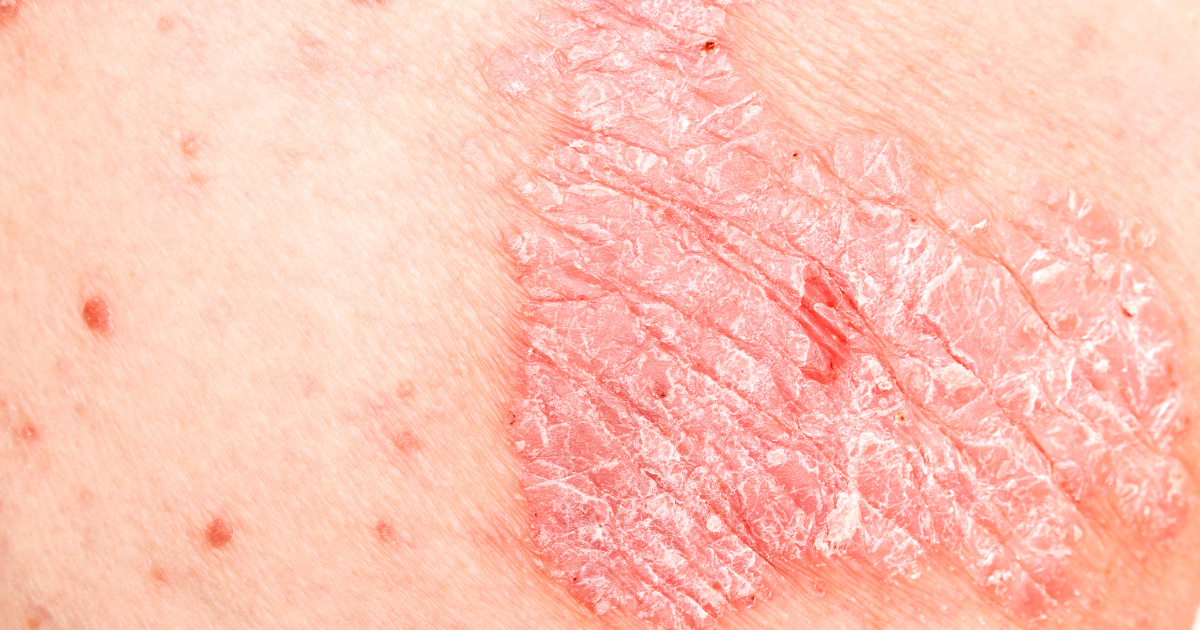


Lupus is a chronic autoimmune disease that affects millions of people worldwide. It occurs when the immune system mistakenly attacks the body’s own healthy tissues, leading to inflammation in organs such as the joints, skin, kidneys, heart, lungs, and brain. The most common form is Systemic Lupus Erythematosus (SLE).
One of the most common questions patients and their families ask is:
“Does lupus ever go away completely?”
The honest answer is: Lupus does not usually go away completely, but it can go into remission and be well controlled with proper treatment.
Understanding this concept is important for managing expectations and living well with lupus.
What Does It Mean for Lupus to “Go Away”?
When people ask if lupus can go away, they usually mean:
- No symptoms
- No need for medication
- No future health problems
In medical terms, this would be considered a complete cure. However, lupus is a complex autoimmune condition, and currently, there is no permanent cure that removes the disease entirely from the body.
Even when symptoms disappear, the immune system may still have the tendency to become overactive again.
Can Lupus Go Into Remission?
Yes, lupus can go into remission, which is the closest state to the disease “going away.”
Types of Remission in Lupus
- Clinical Remission
No visible symptoms like joint pain, fatigue, or skin rash. - Laboratory Remission
Blood and urine tests show minimal or no disease activity. - Drug-Assisted Remission
Symptoms are controlled with ongoing medication. - Drug-Free Remission (Rare)
No symptoms even without medication for a certain period.
Most patients achieve drug-assisted remission, meaning they feel well but still need maintenance treatment.
Why Doesn’t Lupus Go Away Completely?
Lupus is difficult to cure because:
- It involves a complex immune system dysfunction
- Multiple organs can be affected
- Genetic and environmental factors play a role
- The immune system cannot be permanently “reset” with current treatments
Modern therapies focus on controlling immune activity rather than eliminating the disease entirely.
What Is the Typical Course of Lupus?
Lupus usually follows a pattern of:
- Flares – periods when symptoms worsen
- Remissions – periods when symptoms improve or disappear
This cycle can vary from person to person. Some people experience mild disease with long remissions, while others may have more frequent flares.
How Long Can Lupus Stay in Remission?
Remission can last:
- Several months
- Multiple years
With proper treatment and lifestyle care, many patients experience long symptom-free periods.
However, flares can still occur, especially if:
- Medications are stopped suddenly
- There is excessive sun exposure
- Stress levels are high
- Infections occur
What Helps Lupus Stay Under Control?
Although lupus may not go away completely, it can be effectively managed with the right approach.
1. Regular Medication
Medications such as:
- Hydroxychloroquine
- Immunosuppressive drugs
- Anti-inflammatory medicines
help keep the immune system under control and prevent flares.
2. Avoiding Triggers
Common lupus triggers include:
- Sun exposure
- Stress
- Infections
- Lack of sleep
Identifying and avoiding these triggers helps maintain remission.
3. Healthy Lifestyle Habits
Simple daily habits can make a big difference:
- Eating a balanced diet
- Exercising regularly
- Getting enough rest
- Managing stress through meditation or relaxation techniques
4. Regular Medical Follow-Up
Routine check-ups and blood tests help detect early signs of disease activity—even before symptoms appear.
This allows timely adjustments in treatment and prevents complications.
What Happens If Lupus Is Left Untreated?
If lupus is not properly managed, it can lead to serious complications, such as:
- Kidney damage (lupus nephritis)
- Heart and lung problems
- Neurological issues
- Blood disorders
This is why lupus should never be ignored, even during symptom-free periods.
Can Lupus Ever Be Cured in the Future?
There is ongoing research in:
- Targeted immunotherapy
- Biologic treatments
- Gene-based therapies
These advances are improving outcomes significantly. While a complete cure is not available yet, future treatments may offer better long-term control or even a potential cure.
Living Well with Lupus
Although lupus may not completely go away, many people with lupus live full and active lives.
With:
- Early diagnosis
- Proper treatment
- Healthy lifestyle
- Awareness of symptoms
Patients can:
- Reduce flares
- Protect organs
- Maintain good quality of life
Signs That Lupus Is Well Controlled
You may be in a stable phase if you have:
- Minimal or no joint pain
- No new skin rashes
- Normal energy levels
- Stable lab results
- No organ complications
However, only a doctor can confirm disease control through proper evaluation.
Final Answer: Does Lupus Ever Go Away Completely?
Lupus does not usually go away completely, and there is currently no permanent cure. However, it can go into remission and be effectively controlled for long periods.
With modern treatments and proper care, many patients experience minimal symptoms and live normal, productive lives.
Final Thoughts
Lupus is a lifelong condition, but it is no longer as limiting as it once was. Medical advancements have made it possible to manage the disease successfully and prevent serious complications.
Instead of focusing on whether lupus can disappear completely, the goal should be:
- Keeping the disease under control
- Preventing flares
- Maintaining long-term health
If you or a loved one has lupus, working closely with a rheumatologist and following a consistent care plan can make all the difference.