

Introduction
Ankylosing Spondylitis (AS) is a chronic inflammatory arthritis that primarily affects the spine and sacroiliac (SI) joints. One of the biggest challenges in managing AS is early diagnosis. Many people experience symptoms such as chronic back pain and morning stiffness for years before receiving the correct diagnosis because these symptoms are often mistaken for mechanical back pain.
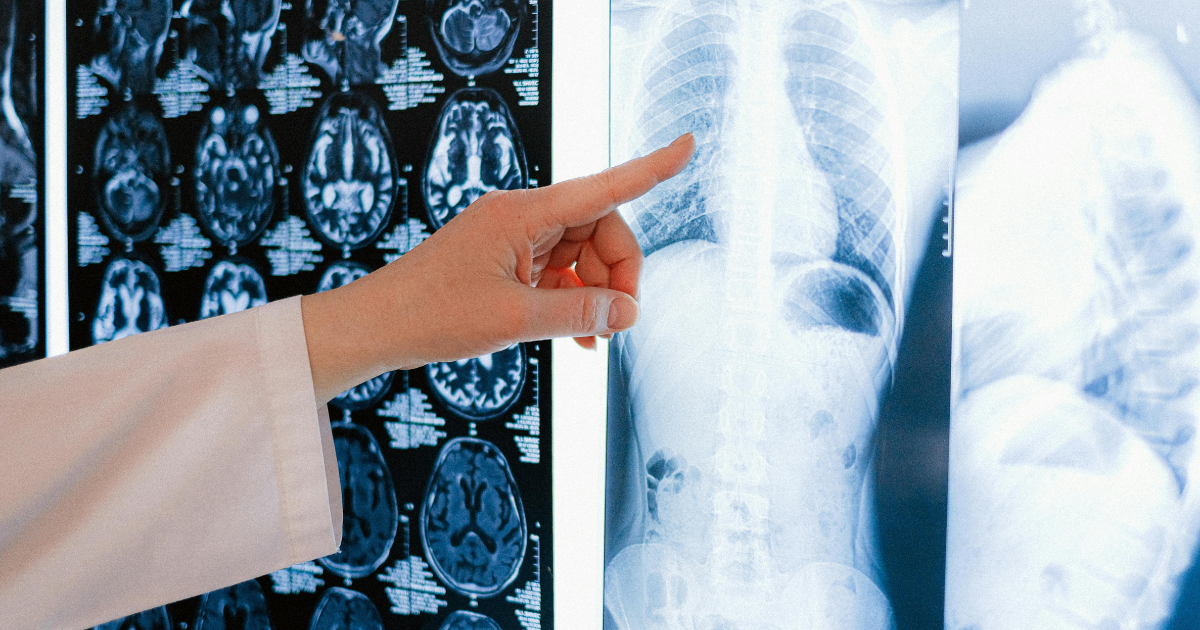
Imaging tests play a crucial role in identifying Ankylosing Spondylitis. The two most commonly used tests are X-rays and Magnetic Resonance Imaging (MRI). While both help evaluate the spine and sacroiliac joints, they serve different purposes and have different strengths.
So, which is better—X-ray or MRI for Ankylosing Spondylitis? The answer depends on the stage of the disease and the information your doctor needs.
Why Are Imaging Tests Important in Ankylosing Spondylitis?
Ankylosing Spondylitis causes inflammation that gradually damages the joints connecting the spine and pelvis. If left untreated, this inflammation can lead to permanent bone damage and spinal fusion.
Imaging tests help doctors:
- Detect inflammation
- Identify joint damage
- Confirm the diagnosis
- Monitor disease progression
- Assess treatment response
Early detection allows treatment to begin before irreversible damage occurs.
What Is an X-ray?
An X-ray uses a small amount of radiation to create images of bones and joints. It is often the first imaging test recommended when Ankylosing Spondylitis is suspected.
Doctors usually examine:
- Sacroiliac joints
- Lumbar spine
- Thoracic spine
- Cervical spine
X-rays are widely available, affordable, and quick to perform.
What Can an X-ray Show in Ankylosing Spondylitis?
An X-ray can detect structural changes caused by long-term inflammation, including:
- Narrowing of sacroiliac joints
- Bone erosion
- New bone formation
- Syndesmophytes (bone spurs between vertebrae)
- Spinal fusion (bamboo spine)
However, these changes often develop years after symptoms begin.
Limitations of X-rays
Although X-rays are useful, they have important limitations:
- Cannot detect early inflammation
- May appear normal in the initial stages
- Misses non-radiographic Ankylosing Spondylitis
- Detects damage only after it has occurred
Because of these limitations, many patients experience delays in diagnosis.
What Is an MRI?
Magnetic Resonance Imaging (MRI) uses strong magnets and radio waves to create detailed images of bones, joints, cartilage, and soft tissues.
Unlike X-rays, MRI can detect active inflammation before permanent damage develops.
This makes MRI one of the most valuable tools for diagnosing early Ankylosing Spondylitis.
What Can an MRI Show?
MRI can identify:
- Bone marrow edema
- Active inflammation
- Early sacroiliitis
- Soft tissue inflammation
- Joint swelling
- Small erosions
- Early structural changes
Because inflammation appears before bone damage, MRI often detects AS years earlier than X-rays.
Advantages of MRI
MRI offers several important benefits:
1. Early Diagnosis
MRI can detect inflammation before X-rays show any abnormalities.
2. No Radiation
MRI does not expose patients to ionizing radiation.
3. Better Soft Tissue Evaluation
It provides detailed images of ligaments, cartilage, and surrounding tissues.
4. Monitoring Disease Activity
MRI helps doctors determine whether inflammation is active, allowing treatment to be adjusted accordingly.
X-ray vs MRI: Key Differences
| Feature | X-ray | MRI |
| Detects early inflammation | ❌ No | ✅ Yes |
| Detects bone damage | ✅ Yes | ✅ Yes |
| Detects soft tissue inflammation | ❌ No | ✅ Yes |
| Radiation exposure | Yes | No |
| Cost | Lower | Higher |
| Time required | 5–10 minutes | 20–45 minutes |
| Best for | Established AS | Early AS diagnosis |
When Is an X-ray Recommended?
Doctors may recommend an X-ray if:
- Symptoms have been present for several years
- Structural damage is suspected
- Disease progression needs evaluation
- Follow-up imaging is required
X-rays remain an important tool for monitoring advanced Ankylosing Spondylitis.
When Is an MRI Recommended?
MRI is usually recommended when:
- Symptoms suggest inflammatory back pain
- X-rays appear normal
- Early AS is suspected
- Diagnosis remains uncertain
- Early treatment decisions need to be made
MRI is particularly useful for younger patients who have chronic back pain but no visible damage on X-rays.
Can You Have Ankylosing Spondylitis with a Normal X-ray?
Yes.
Many patients in the early stages have normal X-rays because bone damage has not yet developed.
However, MRI may still reveal active inflammation in the sacroiliac joints.
This condition is often called non-radiographic axial spondyloarthritis, which can later progress to Ankylosing Spondylitis if not treated appropriately.
Why Early MRI Can Change Treatment Outcomes
Early diagnosis allows doctors to:
- Start treatment sooner
- Control inflammation
- Prevent joint damage
- Reduce spinal stiffness
- Lower the risk of spinal fusion
- Improve long-term mobility
Studies have shown that patients diagnosed and treated early generally have better outcomes than those diagnosed after structural damage has already occurred.
Other Tests Used Along with Imaging
Imaging alone cannot confirm Ankylosing Spondylitis.
Doctors may also recommend:
- HLA-B27 genetic testing
- ESR (Erythrocyte Sedimentation Rate)
- CRP (C-Reactive Protein)
A diagnosis is based on a combination of symptoms, physical examination, imaging findings, and laboratory tests.
Conclusion
Both X-rays and MRI scans play an important role in diagnosing Ankylosing Spondylitis, but they are used for different purposes.
- X-rays are excellent for identifying long-term structural damage and monitoring advanced disease.
- MRI is the preferred imaging test for detecting early inflammation before permanent joint damage occurs.
If you have persistent back pain lasting more than three months, morning stiffness, or pain that improves with exercise, don’t ignore your symptoms. Early evaluation by a rheumatologist and the appropriate imaging test can lead to earlier diagnosis, timely treatment, and better long-term outcomes.
Frequently Asked Questions (FAQs)
1. Is MRI better than an X-ray for Ankylosing Spondylitis?
Yes. MRI is more sensitive for detecting early inflammation and diagnosing AS before structural damage appears.
2. Can Ankylosing Spondylitis be missed on an X-ray?
Yes. Early AS may not show any visible changes on an X-ray, even when symptoms are present.
3. Why does my doctor order an MRI after a normal X-ray?
MRI can detect active inflammation that is not visible on X-rays, helping diagnose early Ankylosing Spondylitis.
4. Does everyone with AS need an MRI?
Not always. MRI is mainly recommended when early disease is suspected or when X-rays are inconclusive.
5. Can MRI monitor treatment response in Ankylosing Spondylitis?
Yes. MRI helps doctors assess whether inflammation is improving with treatment.