

Introduction
A diagnosis of vasculitis often raises many questions, but one of the most common is: “Is vasculitis curable, or will I have it for life?” The answer is not always straightforward. Vasculitis is a group of rare conditions that cause inflammation of blood vessels, affecting blood flow to different organs and tissues. Depending on the type, severity, and how early it is diagnosed, vasculitis can have different outcomes for different people.
Some forms of vasculitis may go into long-term remission and never return, while others require ongoing monitoring and treatment. Understanding the nature of the disease can help patients set realistic expectations and take an active role in managing their health.
In this article, we explore whether vasculitis is curable, what remission means, and how patients can live well with this condition.
What Is Vasculitis?
Vasculitis refers to inflammation of blood vessels, including arteries, veins, and capillaries. When blood vessels become inflamed, they may narrow, weaken, become blocked, or leak. This can reduce blood flow to organs and tissues, leading to a variety of symptoms and complications.
There are many different types of vasculitis, including:
- Giant Cell Arteritis (GCA)
- Takayasu Arteritis
- Granulomatosis with Polyangiitis (GPA)
- Microscopic Polyangiitis (MPA)
- Eosinophilic Granulomatosis with Polyangiitis (EGPA)
- Polyarteritis Nodosa (PAN)
- IgA Vasculitis
- Behçet’s Disease
Each type behaves differently, which is why the prognosis varies from person to person.
Is Vasculitis Curable?
The concept of a “cure” in vasculitis depends on the specific type of disease.
Some Types May Resolve Completely
Certain forms of vasculitis, especially those triggered by infections, medications, or temporary immune reactions, may resolve completely once the underlying cause is treated.
For example:
- Some cases of IgA Vasculitis in children improve without causing long-term problems.
- Drug-induced vasculitis may disappear after stopping the triggering medication.
In these situations, patients may never experience symptoms again.
Many Types Are Chronic Conditions
For many patients, vasculitis is considered a chronic autoimmune disease. While treatment can effectively control inflammation, the condition may not be permanently cured.
Instead, the goal becomes:
- Controlling disease activity
- Preventing organ damage
- Reducing symptoms
- Maintaining long-term remission
This means some patients may require regular monitoring even when they feel well.
What Does Remission Mean in Vasculitis?
Remission is a term commonly used in vasculitis treatment.
Complete Remission
Complete remission means:
- No active inflammation
- No symptoms related to vasculitis
- Stable laboratory results
- No evidence of ongoing organ damage
Many patients can achieve remission with proper treatment.
Partial Remission
Some patients experience significant improvement but may still have mild symptoms or require low-dose medication to keep the disease under control.
Remission is often the primary treatment goal because it allows patients to live a more normal and active life.
Can Vasculitis Come Back After Remission?
Yes. Some forms of vasculitis can relapse even after months or years of remission.
A relapse occurs when inflammation becomes active again.
Common signs of relapse include:
- Fatigue
- Fever
- Joint pain
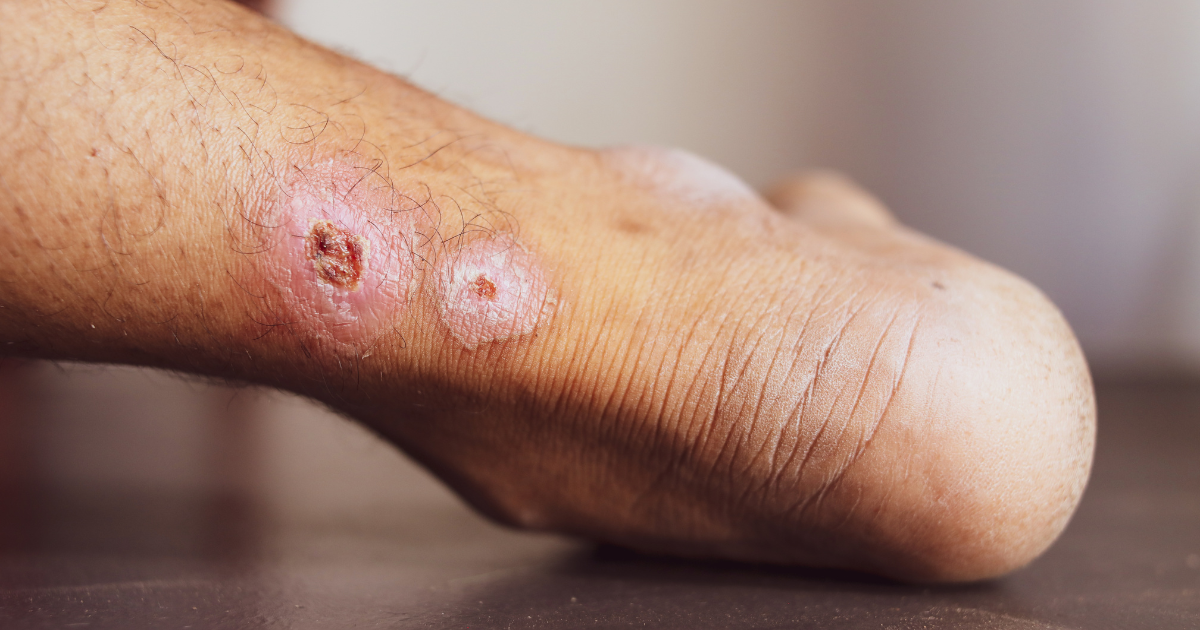
- Skin rashes
- Shortness of breath
- Nerve symptoms
- Blood in urine
The risk of relapse depends on:
- Type of vasculitis
- Severity of the original disease
- Response to treatment
- Individual immune system factors
This is why regular follow-up appointments remain important even when symptoms have disappeared.
Factors That Influence Long-Term Outcomes
Early Diagnosis
The sooner vasculitis is diagnosed, the better the chances of preventing permanent damage.
Early treatment can help protect:
- Kidneys
- Lungs
- Heart
- Brain
- Eyes
- Nerves
Type of Vasculitis
Some forms are easier to control than others.
For example:
- IgA Vasculitis often has an excellent prognosis.
- ANCA-associated vasculitis may require long-term management.
- Large-vessel vasculitis can sometimes relapse despite treatment.
Organ Involvement
Patients with significant organ involvement may require more aggressive treatment and closer monitoring.
Adherence to Treatment
Taking medications as prescribed and attending follow-up visits greatly improves outcomes.
Modern Treatment Has Changed the Outlook
Years ago, severe vasculitis was associated with a high risk of disability and death. Today, advances in treatment have dramatically improved survival rates and quality of life.
Treatment options may include:
Corticosteroids
These medications quickly reduce inflammation and help control disease activity.
Immunosuppressive Drugs
Examples include:
- Azathioprine
- Methotrexate
- Cyclophosphamide
- Mycophenolate mofetil
These medications help prevent the immune system from attacking blood vessels.
Biologic Therapies
Newer biologic medications target specific parts of the immune system.
Examples include:
- Rituximab
- Tocilizumab
These treatments have significantly improved remission rates in many forms of vasculitis.
Can Lifestyle Changes Help?
Lifestyle changes cannot cure vasculitis, but they can support treatment and improve overall health.
Follow an Anti-Inflammatory Diet
Include:
- Fruits and vegetables
- Whole grains
- Lean proteins
- Healthy fats
- Omega-3-rich foods
Limit:
- Processed foods
- Excess sugar
- Trans fats
Stay Physically Active
Regular exercise can help:
- Improve circulation
- Reduce fatigue
- Maintain muscle strength
- Support mental health
Prioritize Sleep
Poor sleep may worsen fatigue and affect recovery.
Aim for:
- 7–9 hours of quality sleep each night
Manage Stress
Stress does not directly cause vasculitis but may worsen symptoms and affect overall well-being.
Helpful strategies include:
- Meditation
- Yoga
- Deep breathing exercises
- Counseling
Living Well With Vasculitis
Many people with vasculitis lead active, fulfilling lives.
Success often depends on:
- Early diagnosis
- Proper treatment
- Healthy lifestyle choices
- Regular medical monitoring
- Awareness of relapse symptoms
The key is viewing vasculitis as a condition that can often be managed successfully rather than allowing it to define your life.
When Should You Contact Your Doctor?
Seek medical advice if you experience:
- New skin rashes
- Persistent fatigue
- Fever without infection
- Blood in urine
- Breathing difficulties
- Vision changes
- Numbness or weakness
Prompt evaluation can help identify a relapse before serious complications develop.
Conclusion
So, is vasculitis curable or lifelong? The truth is that the answer depends on the type of vasculitis and the individual patient. Some forms may resolve completely, while others are chronic conditions that require long-term management.
The good news is that modern treatments have made it possible for many patients to achieve remission, reduce symptoms, and maintain a high quality of life. Early diagnosis, proper medical care, and healthy lifestyle habits are the cornerstones of successful vasculitis management.
While vasculitis may not always be permanently curable, it is often highly treatable, allowing many patients to live healthy and productive lives.
Frequently Asked Questions (FAQs)
1. Can vasculitis be cured completely?
Some types of vasculitis can resolve completely, while others require lifelong monitoring and management.
2. What is the difference between remission and cure?
Remission means the disease is inactive and symptoms are controlled, while a cure means the disease will never return.
3. Can vasculitis come back after treatment?
Yes. Some forms of vasculitis can relapse even after long periods of remission.
4. Can I live a normal life with vasculitis?
Many patients live normal and active lives with proper treatment, lifestyle management, and regular follow-up care.
5. How long does vasculitis treatment last?
Treatment duration varies depending on the type and severity of vasculitis. Some patients need treatment for months, while others require long-term management.