

Introduction
When we think of vasculitis, conditions like Giant Cell Arteritis or Granulomatosis with Polyangiitis often come to mind. But there is another, often overlooked, form of vasculitis called Behçet’s Disease. This rare, chronic, and complex condition causes inflammation of blood vessels throughout the body, leading to symptoms that range from mouth ulcers to vision-threatening eye inflammation. Because its symptoms overlap with many other conditions, Behçet’s is frequently underdiagnosed or misdiagnosed.
What is Behçet’s Disease?
Behçet’s Disease (also called Behçet’s Syndrome) is a rare type of systemic vasculitis that can affect arteries and veins of all sizes. Unlike many other forms of vasculitis that primarily affect older adults, Behçet’s often occurs in young adults, with men and women being equally affected in different regions.
It is more common along the historic Silk Road regions (Turkey, Middle East, East Asia), but cases are found worldwide.
Symptoms of Behçet’s Disease
Behçet’s is known for its recurrent flare-ups and diverse symptoms. Common signs include:
- Oral ulcers – Painful sores inside the mouth, often recurring.
- Genital ulcers – Painful sores in the genital region, which may scar after healing.
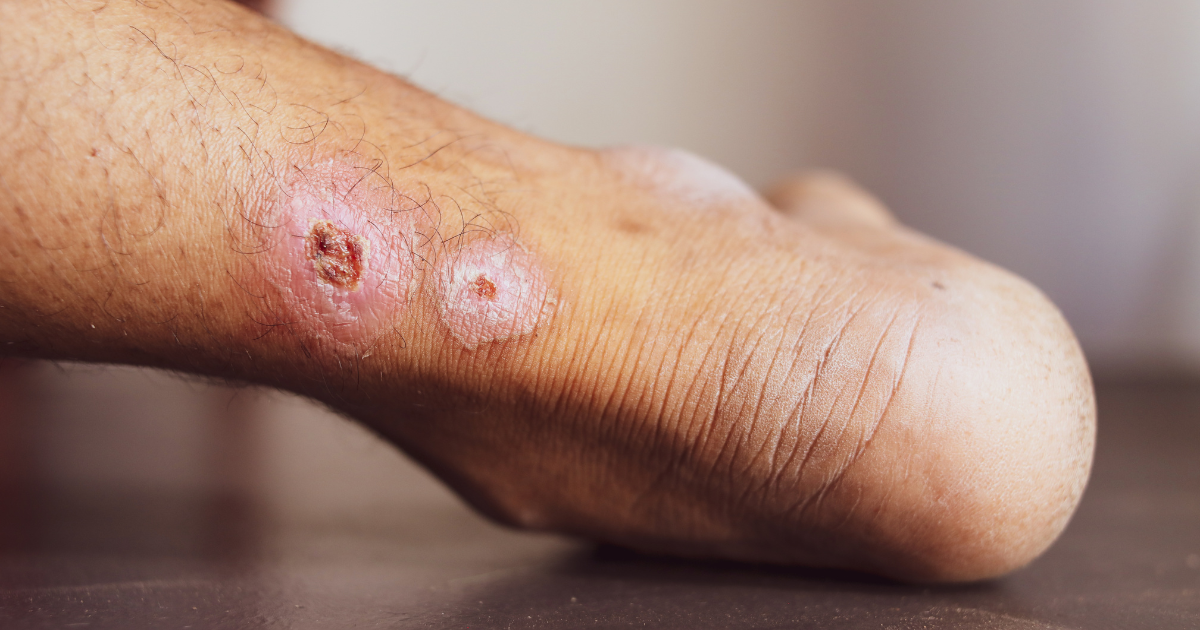
- Skin lesions – Acne-like bumps, erythema nodosum (red, tender nodules, often on legs).
- Eye inflammation – Uveitis (pain, redness, blurred vision), which can lead to blindness if untreated.
- Joint pain – Arthritis-like pain, usually in knees and ankles.
- Neurological involvement – Headaches, confusion, stroke-like symptoms in severe cases.
- Gastrointestinal problems – Abdominal pain, diarrhea, and intestinal ulcers.
Causes and Risk Factors
The exact cause of Behçet’s Disease is still unknown. Researchers believe it develops due to:
- Genetic predisposition – Certain genes (like HLA-B51) increase risk.
- Autoimmune response – The immune system mistakenly attacks healthy blood vessels.
- Environmental triggers – Infections or stress may trigger flare-ups.
How is Behçet’s Disease Diagnosed?
There is no single test to confirm Behçet’s. Doctors rely on:
- Clinical symptoms (especially recurring mouth ulcers + 2 other systemic signs).
- Pathergy test (skin prick test showing exaggerated inflammatory response).
- Blood tests to rule out other autoimmune diseases.
- Imaging (MRI, CT scans) for brain and organ involvement.
Because symptoms mimic other conditions, diagnosis often takes months or years.
Treatment Options
Although there is no cure for Behçet’s Disease, treatments focus on controlling inflammation and preventing complications:
- Topical gels/creams – For mouth and genital ulcers.
- Colchicine – Helps reduce joint pain and skin symptoms.
- Corticosteroids – To quickly control inflammation during flares.
- Immunosuppressive drugs – Azathioprine, Cyclosporine, or Cyclophosphamide for severe cases.
- Biologic therapies – Anti-TNF drugs (Infliximab, Adalimumab) and Interferon-alpha for resistant cases.
Early and consistent treatment can prevent severe complications, especially vision loss.
Lifestyle & Self-Care Tips for Patients
- Track symptoms – Keep a diary of flare-ups to identify triggers.
- Healthy diet – Anti-inflammatory foods like fruits, vegetables, omega-3 rich fish.
- Stress management – Meditation, yoga, and adequate sleep reduce flare frequency.
- Regular eye check-ups – To detect vision-threatening complications early.
- Quit smoking and limit alcohol – Both worsen blood vessel inflammation.
Key Takeaway
Behçet’s Disease is a rare and overlooked form of vasculitis, often misunderstood due to its wide-ranging symptoms. While it has no cure, early diagnosis, proper treatment, and lifestyle management can significantly improve quality of life and prevent serious complications.
FAQs
Q. Is Behçet’s Disease contagious?
No, it is not an infection. It is an autoimmune disease.
Q. Can Behçet’s Disease affect life expectancy?
With proper treatment, most people live a normal lifespan, though severe cases involving the brain or major organs can be life-threatening.
Q. Who is at highest risk?
People from Mediterranean, Middle Eastern, and East Asian countries have higher prevalence.
Q. Can Behçet’s Disease go into remission?
Yes, many patients experience symptom-free periods, though flare-ups can return.