
Introduction
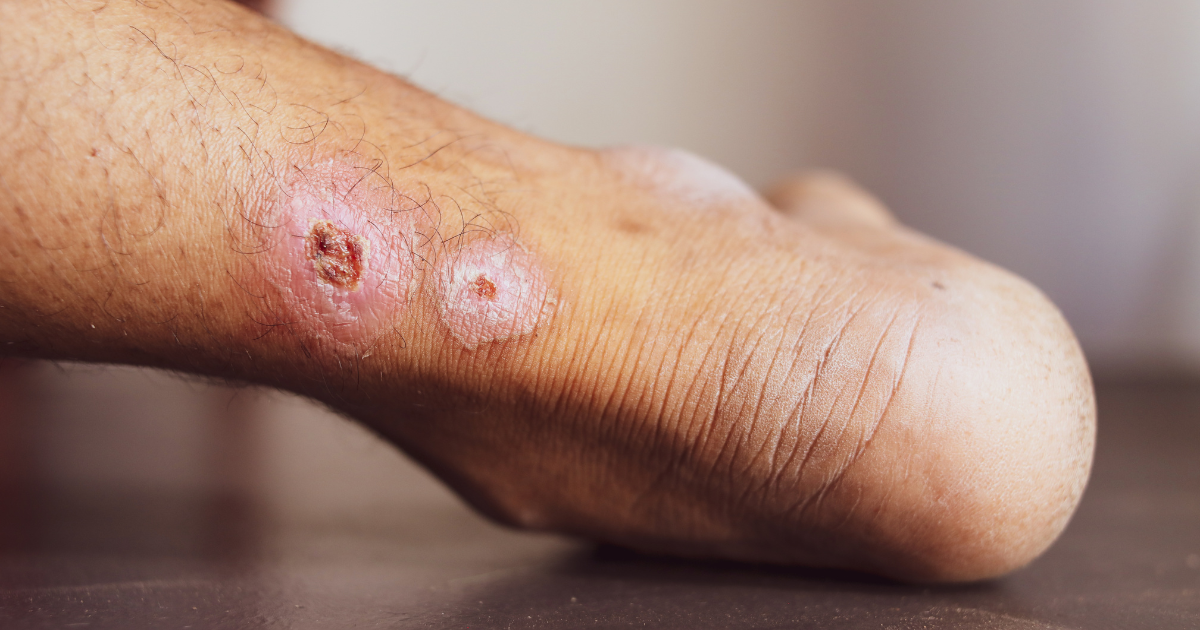
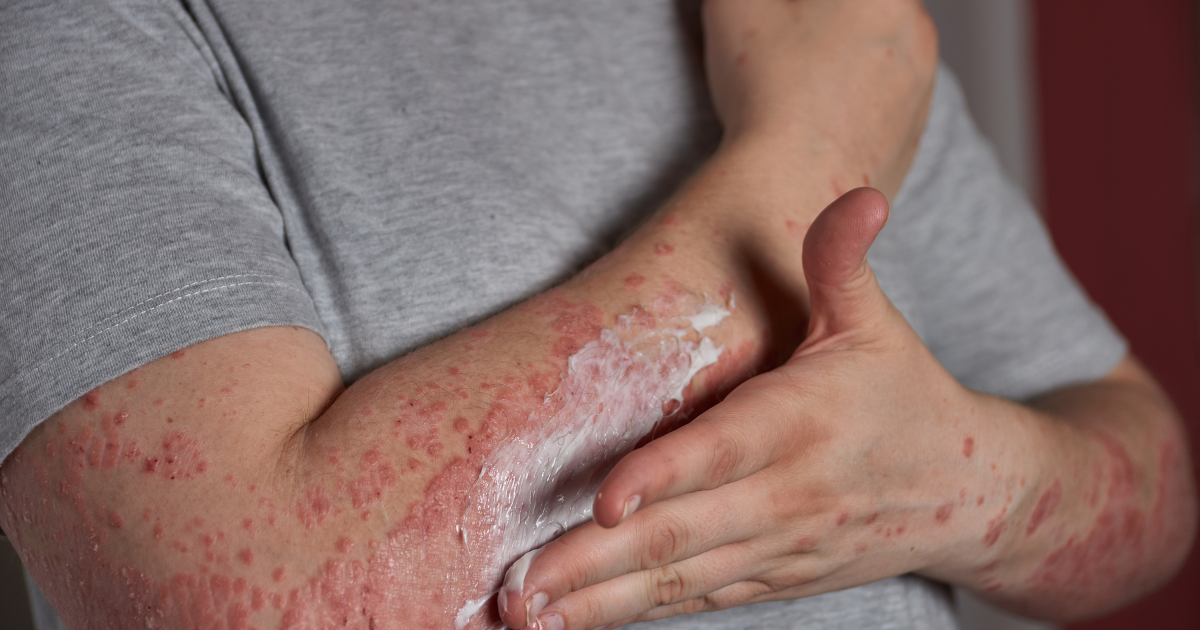
Living with vasculitis can be challenging, especially when symptoms flare unexpectedly and disrupt daily life. Vasculitis causes inflammation of blood vessels, which can affect different organs and lead to fatigue, joint pain, skin problems, nerve symptoms, and other complications. While medications are essential for controlling the disease, your daily habits can also play a significant role in managing symptoms.
A well-structured routine can help reduce stress on the body, improve energy levels, support the immune system, and lower the risk of vasculitis flare-ups. By making small but consistent lifestyle changes, many patients can improve their quality of life and better manage their condition.
What Triggers Vasculitis Flares?
A vasculitis flare occurs when inflammation becomes active again, causing symptoms to worsen. Common triggers include:
- Physical or emotional stress
- Lack of sleep
- Infections
- Skipping medications
- Poor dietary habits
- Smoking and excessive alcohol consumption
- Overexertion and fatigue
Although triggers vary from person to person, maintaining a healthy routine can help reduce their impact.
Start Your Day with a Healthy Morning Routine
Stay Hydrated
Begin your day with a glass of water. Proper hydration supports circulation and overall health.
Eat a Nutritious Breakfast
Choose foods that provide steady energy, such as:
- Oats
- Whole-grain toast
- Fruits
- Eggs or protein-rich foods
- Nuts and seeds
Avoid sugary breakfasts that can lead to energy crashes later in the day.
Take Medications on Time
Following your prescribed treatment plan consistently is one of the most effective ways to prevent disease flares.
Include Gentle Physical Activity
Regular movement helps maintain joint flexibility, muscle strength, and cardiovascular health.
Suitable activities include:
- Walking
- Stretching exercises
- Yoga
- Swimming
- Light cycling
Aim for at least 20–30 minutes of moderate activity most days of the week. However, avoid pushing yourself during active flares.
Follow an Anti-Inflammatory Diet
Diet cannot cure vasculitis, but it can support overall health and help manage inflammation.
Foods to Include:
- Fresh fruits and vegetables
- Whole grains
- Fatty fish rich in omega-3
- Flaxseeds and walnuts
- Turmeric and ginger
- Low-fat dairy products
Foods to Limit:
- Processed foods
- Excess sugar
- Deep-fried foods
- Sugary beverages
- Excess salt
A balanced diet also helps maintain a healthy weight and supports the body’s healing processes.
Prioritize Quality Sleep
Poor sleep is a common trigger for fatigue and inflammation.
Tips for Better Sleep:
- Maintain a consistent sleep schedule
- Avoid screens before bedtime
- Create a quiet sleep environment
- Limit caffeine late in the day
Most adults with vasculitis should aim for 7–9 hours of sleep per night.
Manage Stress Every Day
Stress can contribute to disease activity and worsen symptoms.
Effective stress-management techniques include:
- Meditation
- Deep breathing exercises
- Mindfulness practices
- Reading or listening to music
- Spending time with family and friends
Even 10–15 minutes of relaxation daily can make a difference.
Protect Yourself from Infections
Many vasculitis patients take medications that suppress the immune system, increasing infection risk.
Simple Prevention Steps:
- Wash hands regularly
- Stay up to date with recommended vaccinations
- Avoid close contact with sick individuals
- Seek medical attention for signs of infection
Preventing infections may help reduce the likelihood of flare-ups.
Keep a Symptom Journal
Tracking symptoms can help identify personal triggers.
Record:
- Fatigue levels
- Pain severity
- New symptoms
- Diet changes
- Stressful events
- Sleep quality
This information can be valuable during doctor visits and treatment planning.
Attend Regular Medical Check-Ups
Routine follow-ups help monitor disease activity and detect complications early.
Your doctor may recommend:
- Blood tests
- Urine tests
- Imaging studies
- Medication adjustments
Never stop or change medications without consulting your healthcare provider.
Conclusion
Building a daily routine that reduces vasculitis flares involves more than just taking medications. Consistent habits such as healthy eating, regular exercise, stress management, quality sleep, hydration, and routine medical care can help keep inflammation under control.
While every person’s experience with vasculitis is unique, developing a structured lifestyle plan can improve symptom management, reduce flare frequency, and support long-term health.
FAQs
1. Can lifestyle changes really reduce vasculitis flares?
Yes. While lifestyle changes cannot replace medical treatment, healthy habits can reduce inflammation, improve immunity, and help lower the risk of flare-ups.
2. What is the best exercise for people with vasculitis?
Low-impact activities such as walking, yoga, swimming, and stretching are generally safe and beneficial for most patients.
3. Does stress make vasculitis worse?
Stress can contribute to symptom worsening and may trigger flares in some individuals. Managing stress is an important part of disease management.
4. Should I rest during a vasculitis flare?
Yes. During active flares, adequate rest is important. However, gentle movement may still be beneficial if recommended by your doctor.
5. How can I identify my personal vasculitis triggers?
Keeping a daily symptom journal can help you recognize patterns related to diet, sleep, stress, infections, and other potential triggers.