

Introduction
Dermatomyositis is a rare autoimmune disease that affects both the muscles and the skin. In this condition, the body’s immune system mistakenly attacks its own tissues, leading to muscle weakness, skin rashes, and inflammation. It can affect people of any age, but it is most commonly seen in adults between the ages of 40 and 60, and in children between 5 and 15 years old.
Because dermatomyositis has symptoms that involve both muscle health and skin appearance, early recognition is very important. Timely diagnosis and treatment can prevent complications such as difficulty in movement, lung problems, or long-term disability.
In this blog, we will look at the skin and muscle symptoms of dermatomyositis, why they occur, and when you should consult a rheumatologist.
What is Dermatomyositis?
Dermatomyositis is classified under inflammatory myopathies – a group of diseases that cause muscle inflammation and weakness. Unlike simple muscle pain or fatigue, dermatomyositis causes progressive muscle weakness that interferes with daily activities such as climbing stairs, lifting objects, or even standing up from a chair.
The unique feature of this condition is its skin involvement. Patients often develop distinctive skin rashes along with muscle weakness.
Key Facts:
- Autoimmune disease (immune system attacks healthy tissue).
- Affects skin + muscles, sometimes lungs, joints, and heart.
- More common in women than men.
- Can be linked with other autoimmune disorders or, rarely, certain cancers.
Skin Symptoms to Watch
Dermatomyositis often begins with changes in the skin. These may appear weeks or even months before muscle weakness develops. Recognizing these early signs can lead to faster diagnosis.
1. Gottron’s Papules
- Red, scaly bumps that appear on the knuckles, elbows, or knees.
- Often mistaken for eczema or psoriasis.
- They are one of the hallmark signs of dermatomyositis.
2. Heliotrope Rash
- A purple or violet-colored rash that appears on the eyelids.
- It may cause swelling around the eyes.
- Looks similar to an eye allergy, but persists for long periods.
3. Shawl Sign
- A reddish rash that appears on the upper back, shoulders, and chest.
- It often worsens after sun exposure (photosensitivity).
4. V-sign Rash
- Redness and rash in the shape of a “V” on the front of the neck and chest.
- Common in patients exposed to sunlight.
5. Nailfold Changes
- Tiny blood vessels around the nails may look abnormal.
- Patients may notice redness, thickening, or painful cuticles.
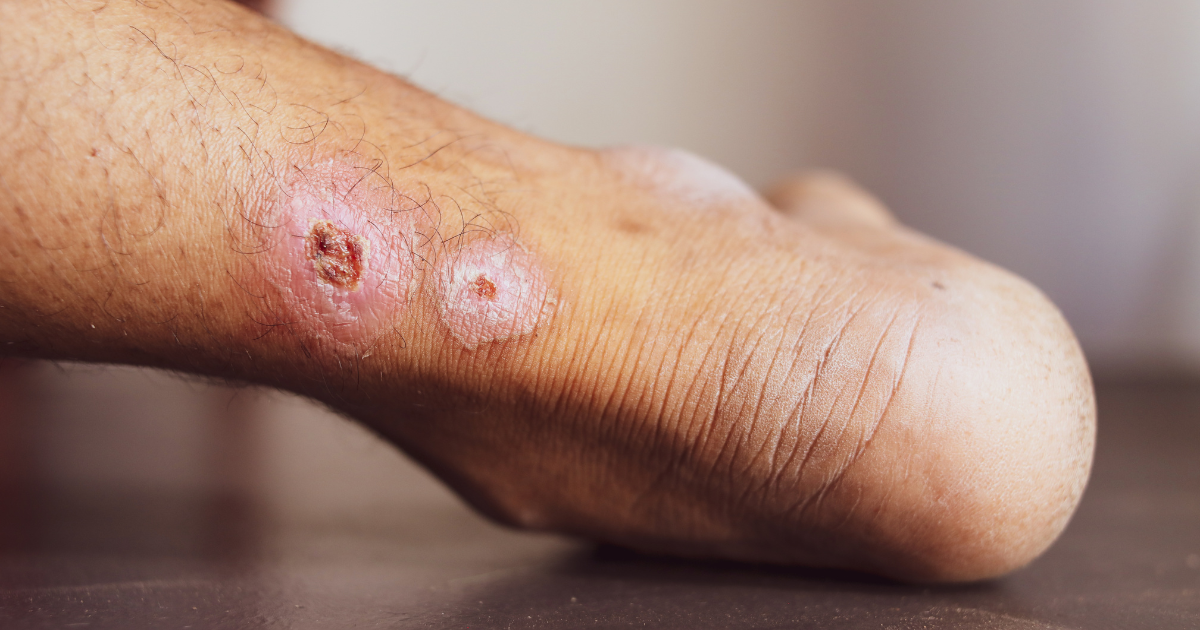
6. Skin Calcification (Calcinosis)
- Hard lumps of calcium may form under the skin, especially in children with dermatomyositis.
- These can be painful and sometimes lead to infection
Muscle Symptoms to Watch
The second major feature of dermatomyositis is muscle weakness. Unlike simple tiredness, this weakness is progressive and symmetrical (affecting both sides of the body equally).
1. Weakness in Proximal Muscles
- Muscles closest to the trunk (hips, thighs, shoulders, neck) are affected.
- Patients may struggle to:
- Climb stairs
- Rise from a seated position
- Lift objects
- Brush or comb hair
2. Muscle Pain and Tenderness
- Some patients experience mild muscle pain.
- In many cases, pain is less common than weakness.
3. Difficulty Swallowing (Dysphagia)
- Muscles of the throat can be affected.
- Patients may have trouble swallowing food or liquids.
- This increases the risk of choking or aspiration pneumonia.
4. Fatigue and Loss of Endurance
- Even simple tasks can feel exhausting.
- Patients often describe feeling weak rather than tired.
5. Breathing Problems
- In severe cases, muscles that control breathing may weaken.
- Some patients may also develop interstitial lung disease, leading to cough and breathlessness.
Other Possible Symptoms
Although skin and muscle symptoms are the main features, dermatomyositis can also affect other systems in the body:
- Joint Pain & Stiffness – Similar to arthritis in some patients.
- Fever – Low-grade fever due to ongoing inflammation.
- Weight Loss – Caused by reduced appetite or difficulty swallowing.
- Heart Involvement – Rarely, inflammation may affect the heart muscle.
Why Early Diagnosis Matters
Dermatomyositis is a chronic disease that requires long-term management. If left untreated, it can cause:
- Severe muscle weakness and disability.
- Lung and swallowing complications.
- Higher risk of associated cancer in some adults.
Therefore, anyone experiencing unexplained rashes with muscle weakness should consult a rheumatologist immediately.
How Dermatomyositis is Diagnosed
Doctors use a combination of:
- Clinical examination (skin + muscle symptoms).
- Blood tests (checking muscle enzymes like CK, autoimmune markers).
- Electromyography (EMG) – To test electrical activity in muscles.
- MRI or Muscle Biopsy – To look for inflammation or damage.
Skin Biopsy – To confirm characteristic skin changes.
Treatment Options
Although dermatomyositis has no permanent cure, early treatment can control symptoms and improve quality of life.
1. Medications
- Corticosteroids (Prednisone) – Reduce inflammation quickly.
- Immunosuppressants (Methotrexate, Azathioprine) – Help long-term control.
- Biologic therapies – For patients who don’t respond to standard medicines.
2. Physical Therapy
- Strengthening exercises improve muscle function.
- Helps patients regain independence in daily activities.
3. Sun Protection
- Since rashes worsen with sun exposure, use sunscreen and protective clothing.
4. Nutrition
- Soft, high-protein foods for those with swallowing problems.
- Adequate calcium and vitamin D for bone and muscle health.
5. Regular Monitoring
- Routine checkups with a rheumatologist are essential.
- Screening for associated conditions (like lung disease or cancer in adults).
Living with Dermatomyositis
Managing dermatomyositis is not just about medicines; lifestyle also plays an important role.
- Stay physically active with gentle exercises.
- Avoid prolonged sun exposure.
- Follow a healthy diet rich in anti-inflammatory foods.
- Join patient support groups for emotional wellbeing.
With the right treatment and lifestyle modifications, many people with dermatomyositis can lead active, fulfilling lives.
FAQs
Q1: Can dermatomyositis be cured completely?
No, but with proper treatment, symptoms can be well-controlled.
Q2: Is dermatomyositis hereditary?
Not directly, but genetics may increase risk.
Q3: Can children get dermatomyositis?
Yes, juvenile dermatomyositis affects children between 5–15 years.
Q4: Which doctor should I consult for dermatomyositis? A rheumatologist specializes in autoimmune and muscle-related diseases.
Q5: Can diet improve symptoms?
A balanced diet supports overall health, but medical treatment is essential.
Conclusion
Dermatomyositis is a challenging autoimmune condition that affects both skin and muscles. The key symptoms to watch for are purple rashes (especially around the eyes, knuckles, and chest) and progressive muscle weakness.
Early recognition, timely diagnosis, and proper treatment by a rheumatologist can help patients live healthier, more active lives.
If you or your loved one experience these symptoms, don’t delay—consult a specialist today.