

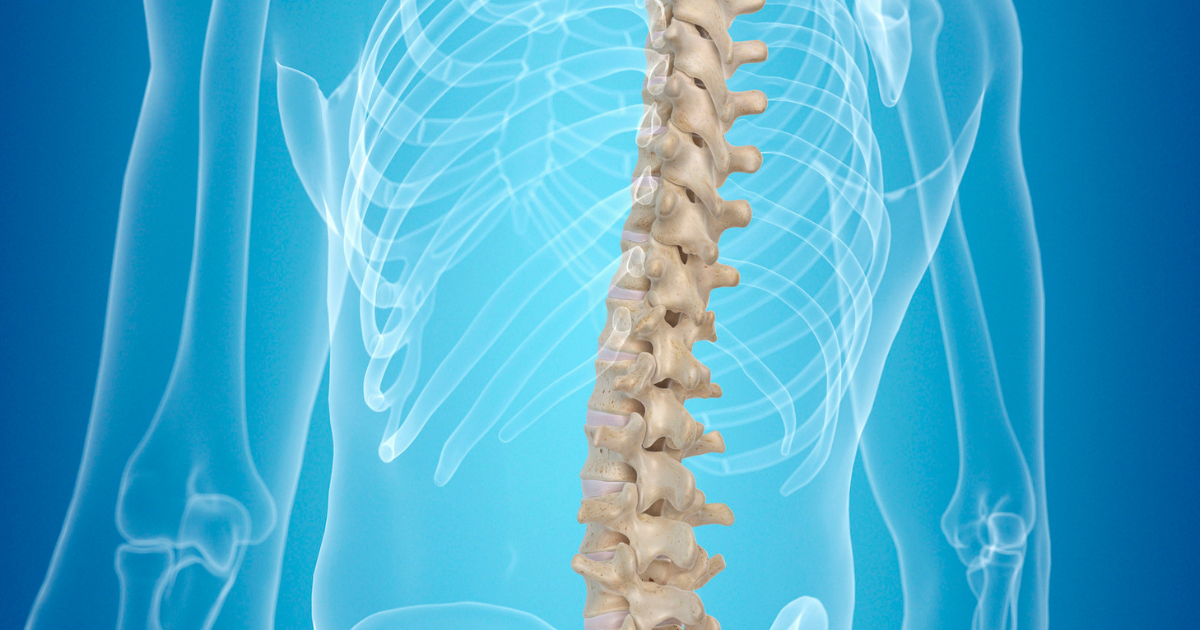
Ankylosing Spondylitis (AS) is a chronic inflammatory disease that mainly affects the spine and the joints connecting the spine to the pelvis. It can cause persistent back pain, morning stiffness, reduced flexibility, and difficulty performing everyday activities. In some people, the disease may also lead to the formation of new bone between spinal vertebrae, eventually causing parts of the spine to fuse together.
Spinal fusion can significantly affect posture and mobility. This raises an important question: Can early treatment prevent spinal fusion in Ankylosing Spondylitis?
The answer is that early diagnosis and appropriate treatment may help reduce inflammation and potentially limit structural damage. However, treatment cannot guarantee that spinal fusion will never occur. Understanding how early treatment works can help patients make informed decisions about managing AS.
What Is Spinal Fusion in Ankylosing Spondylitis?
Spinal fusion occurs when new bone develops between adjacent vertebrae and gradually connects them. In Ankylosing Spondylitis, this process can involve the formation of thin bony bridges called syndesmophytes.
Over time, these bony bridges may connect neighbouring vertebrae, reducing the spine’s flexibility. In advanced cases, extensive fusion can cause the spine to become rigid.
Common effects of spinal fusion include:
- Reduced spinal flexibility
- Difficulty bending or turning the back
- Changes in posture
- A forward-bent position in advanced disease
- Difficulty looking straight ahead if the neck is affected
- Increased vulnerability to spinal fractures
Not everyone with Ankylosing Spondylitis develops extensive spinal fusion. The rate and extent of structural changes vary from person to person.
Can Early Treatment Prevent Spinal Fusion?
Early treatment may help reduce the risk of progressive spinal damage, but it cannot completely prevent spinal fusion in every patient.
Ankylosing Spondylitis involves inflammation that can affect the joints and other structures around the spine. Persistent inflammation is associated with an increased risk of structural changes in some patients.
Starting appropriate treatment early can help control inflammation, relieve symptoms, maintain mobility, and improve quality of life. Some evidence also suggests that effective treatment, particularly with certain biologic medicines, may slow the progression of structural damage in selected patients.
However, the relationship between inflammation and new bone formation is complex. Spinal fusion may progress even when symptoms improve or inflammation appears well controlled.
This is why early diagnosis, ongoing treatment, and regular monitoring are all important.
Why Is Early Diagnosis Important in Ankylosing Spondylitis?
Ankylosing Spondylitis can be difficult to diagnose in its early stages because the symptoms may resemble common mechanical back pain.
Many people initially experience discomfort in the lower back or buttocks. They may assume the pain is caused by prolonged sitting, poor posture, or muscle strain.
However, inflammatory back pain often has certain characteristics.
Common Early Symptoms of AS
Watch for symptoms such as:
- Back pain lasting for more than three months
- Back pain that begins before the age of 45
- Morning stiffness that lasts for a prolonged period
- Pain that improves with movement or exercise
- Pain that worsens after prolonged rest
- Buttock pain that may shift from one side to the other
- Pain that wakes you during the second half of the night
These symptoms do not confirm Ankylosing Spondylitis, but they may indicate the need for further evaluation.
Early Diagnosis Allows Timely Treatment
When AS is diagnosed early, a rheumatologist can assess disease activity and start an appropriate treatment plan.
Early management may help prevent prolonged uncontrolled inflammation, reduce pain and stiffness, preserve physical function, and potentially reduce the risk of structural progression.
How Does Inflammation Contribute to Spinal Fusion?
Spinal fusion in Ankylosing Spondylitis is not simply the result of bones rubbing against each other. It involves a complex process of inflammation, tissue repair, and new bone formation.
The disease can affect the areas where ligaments and other structures attach to bone. Inflammation may develop around spinal joints and the edges of vertebrae.
As the affected tissues undergo repair, new bone may form in some locations. Over time, this bone can develop into bridges between adjacent vertebrae.
Several factors may influence the progression of spinal changes, including:
- Persistent disease activity
- Existing structural damage
- Smoking
- Individual genetic factors
- The duration and severity of the disease
The exact course of the disease differs between patients. Not every person with inflammation will develop spinal fusion.
Which Treatments May Help Reduce the Risk of Spinal Damage?
Treatment for Ankylosing Spondylitis aims to control inflammation, reduce pain, maintain mobility, and preserve daily function. The most suitable approach depends on the patient’s symptoms, disease activity, other medical conditions, and response to previous treatments.
1. Non-Steroidal Anti-Inflammatory Drugs
Non-steroidal anti-inflammatory drugs, commonly called NSAIDs, are often used as an initial medicine for active AS.
They can help reduce pain and stiffness and improve movement. Some studies suggest that continuous NSAID treatment may influence radiographic progression in certain patients, but the evidence is mixed.
Continuous use is not necessary or appropriate for everyone. These medicines can cause side effects involving the stomach, kidneys, blood pressure, and cardiovascular system.
A doctor should determine the appropriate medicine, dose, and duration.
2. Biologic Medicines
Biologic medicines may be recommended when symptoms and inflammation remain active despite appropriate initial treatment.
Common options include:
- Tumour necrosis factor inhibitors
- Interleukin-17 inhibitors
These medicines target specific pathways involved in inflammation. They can reduce disease activity and improve pain, stiffness, and physical function.
Research suggests that effective biologic treatment, particularly when started before extensive structural damage develops, may help slow spinal radiographic progression in some patients. However, results vary, and evidence does not establish that these medicines can completely prevent spinal fusion.
Biologic treatment requires medical supervision, including appropriate screening and monitoring for infections and other potential side effects.
3. Targeted Synthetic Medicines
Certain targeted synthetic medicines, such as Janus kinase inhibitors, may be considered for eligible patients with active disease.
These medicines act on specific pathways involved in immune signalling and can help control symptoms and inflammation.
Their suitability depends on the patient’s medical history, disease activity, previous treatment response, and individual risks. Their long-term effect on preventing spinal fusion is not yet fully established.
4. Physiotherapy and Regular Exercise
Physiotherapy is an important part of Ankylosing Spondylitis management.
Appropriate exercise can help maintain spinal mobility, posture, flexibility, muscle strength, and balance. It may also reduce stiffness and make everyday activities easier.
Helpful activities may include:
- Gentle spinal mobility exercises
- Posture exercises
- Stretching within a comfortable range
- Breathing exercises to maintain chest expansion
- Walking or other suitable aerobic activities
- Strengthening exercises adapted to individual needs
Exercise helps preserve mobility, but it has not been proven to prevent spinal fusion on its own. It should complement, rather than replace, medical treatment that controls inflammation.
Patients with advanced spinal stiffness or osteoporosis may need specific precautions because their risk of spinal fracture can be higher.
Can Spinal Fusion Still Occur Despite Treatment?
Yes. Some patients may develop structural changes even when their symptoms improve with treatment.
There are several reasons for this:
- New bone formation involves processes that are not fully controlled by suppressing inflammation alone.
- Some structural damage may already be present when the disease is diagnosed.
- Treatment response varies between individuals.
- Symptoms and structural progression do not always follow the same pattern.
For example, a patient may experience less pain and stiffness after starting treatment, but this does not necessarily mean that all structural progression has stopped.
Similarly, persistent pain does not automatically mean that spinal fusion is progressing. Pain can have several causes, including active inflammation, muscle problems, and mechanical strain.
Regular assessment helps the rheumatologist distinguish between these possibilities.
How Can Doctors Monitor the Progression of Ankylosing Spondylitis?
Monitoring helps determine whether treatment is controlling the disease and whether the management plan needs adjustment.
Clinical Assessment
A rheumatologist may review pain, morning stiffness, fatigue, mobility, and the effect of symptoms on daily activities.
Blood Tests
C-reactive protein and erythrocyte sedimentation rate can provide information about inflammation. However, these markers may be normal even when a patient has active disease.
Imaging Tests
X-rays may show structural changes such as syndesmophytes and spinal fusion. These changes generally develop over time.
Magnetic resonance imaging (MRI) can help identify active inflammation in the spine or sacroiliac joints. It is particularly useful when the diagnosis is uncertain or when there is a specific clinical reason to assess inflammation.
MRI and X-rays provide different types of information. Neither test needs to be repeated at every visit; the choice and timing depend on the clinical situation.
Lifestyle Changes That Support Long-Term Spinal Health
Along with prescribed treatment, certain habits can support mobility and overall health.
Stop Smoking
Smoking is associated with worse outcomes in Ankylosing Spondylitis and greater structural progression in some studies. Quitting smoking is an important step toward protecting long-term health.
Maintain Good Posture
Avoid remaining in one position for long periods. Take regular movement breaks during work and use a comfortable sitting position that supports an upright posture.
Stay Physically Active
Choose activities that suit your condition and maintain a consistent routine. Avoid forcing painful movements or attempting aggressive spinal manipulation.
Support Bone Health
Adequate calcium, sufficient vitamin D, and appropriate physical activity support bone health. Some people with AS develop osteoporosis, which can increase the risk of spinal fractures.
Attend Regular Follow-Up Appointments
Do not stop or change prescribed treatment simply because the pain has improved. Discuss any concerns about side effects, symptoms, or medication costs with your rheumatologist.
When Should You Consult a Rheumatologist?
Consider seeing a rheumatologist if you experience persistent back pain that began before age 45, prolonged morning stiffness, pain that improves with movement, or recurrent buttock pain.
An evaluation is especially important if you have psoriasis, inflammatory bowel disease, a history of uveitis, or a family history of spondyloarthritis.
Seek urgent medical assessment if you have Ankylosing Spondylitis and develop sudden, severe spinal pain, particularly after a fall or minor injury. People with advanced spinal fusion may experience serious fractures even after relatively minor trauma.
New weakness, numbness, difficulty walking, or changes in bladder or bowel control alongside spinal pain require emergency evaluation.
Frequently Asked Questions
1. Can early treatment stop Ankylosing Spondylitis from progressing?
Early treatment can help control inflammation, improve symptoms, and preserve function. It may also slow structural progression in some patients, but it cannot guarantee that the disease will not progress.
2. Can biologic medicines prevent spinal fusion?
Biologic medicines can effectively reduce inflammation and may slow radiographic progression in some patients. However, they cannot guarantee complete prevention of spinal fusion.
3. Does exercise prevent spinal fusion in Ankylosing Spondylitis?
Exercise helps maintain flexibility, posture, strength, and mobility. However, it has not been proven to prevent the formation of bony bridges. It works best alongside appropriate medical treatment.
4. Can spinal fusion occur even if back pain improves?
Yes. Symptoms and structural progression do not always correspond. Reduced pain does not necessarily mean that new bone formation has stopped.
5. Can an X-ray detect early spinal fusion?
X-rays can show established structural changes, but early inflammatory changes may not be visible. MRI can detect active inflammation earlier, although it does not replace X-rays for every assessment of structural damage.
6. Is spinal fusion inevitable in Ankylosing Spondylitis?
No. Not everyone with AS develops extensive spinal fusion. The disease course varies, and some people experience limited structural progression over many years.
Conclusion
Early treatment is important in Ankylosing Spondylitis because it helps control inflammation, preserve mobility, and may reduce the risk of progressive spinal damage. However, current treatments cannot guarantee that spinal fusion will be completely prevented.
Recognizing symptoms early, consulting a rheumatologist, following an individualized treatment plan, exercising appropriately, avoiding smoking, and attending regular follow-up appointments can support better long-term outcomes.
If you have persistent inflammatory back pain or stiffness, do not ignore the symptoms or assume they are caused by ageing or poor posture. Early assessment can help identify Ankylosing Spondylitis and provide an opportunity to manage the disease before extensive structural damage develops.