

Psoriatic Arthritis (PsA) is a chronic inflammatory condition that affects joints, tendons, and sometimes the spine. Pain, swelling, stiffness, and reduced mobility can make everyday activities difficult. Along with medications, heat therapy and cold therapy are two commonly used, drug-free methods to manage PsA symptoms.
But which one works better for psoriatic arthritis — heat or cold?
The answer isn’t one-size-fits-all. Each therapy works differently and is useful in specific situations. Understanding when and how to use heat or cold therapy can significantly improve pain control and quality of life.
Understanding Pain in Psoriatic Arthritis
PsA pain comes from multiple sources:
- Inflammation inside joints
- Swelling of tendons and ligaments (enthesitis)
- Muscle tightness around painful joints
- Reduced blood flow during inactivity
- Nerve sensitivity during flares
Because PsA pain is complex, different therapies work better at different stages of the disease.
What Is Heat Therapy?
Heat therapy involves applying warmth to painful areas to relax muscles and improve circulation.
Common forms of heat therapy:
- Heating pads
- Warm towels
- Hot water bottles
- Warm showers or baths
- Paraffin wax therapy (for hands and feet)
How Heat Therapy Works in Psoriatic Arthritis
Heat therapy helps by:
- Increasing blood flow to stiff joints
- Relaxing tight muscles
- Improving joint flexibility
- Reducing morning stiffness
- Calming nerve endings
Heat does not reduce inflammation directly, but it helps relieve stiffness and muscle-related pain.
Best Situations to Use Heat Therapy
Heat therapy works best when:
- Joints feel stiff but not swollen
- Pain is worse in the morning or after rest
- Muscles around joints feel tight
- You have chronic, dull aching pain
- You want to relax before sleep
Heat is especially helpful for axial PsA (spine and lower back involvement).
When to Avoid Heat Therapy
Avoid heat if:
- Joints are red, hot, or visibly swollen
- You are in the middle of an acute flare
- There is active inflammation
- You have reduced skin sensation
Using heat on inflamed joints can worsen swelling.
What Is Cold Therapy?
Cold therapy involves applying cold to reduce inflammation and numb pain.
Common forms of cold therapy:
- Ice packs
- Cold gel packs
- Frozen towel wraps
- Ice massage
How Cold Therapy Works in Psoriatic Arthritis
Cold therapy helps by:
- Reducing blood flow to inflamed joints
- Decreasing swelling
- Numbing pain signals
- Calming acute inflammation
- Reducing redness and warmth
Cold therapy is especially effective during active flares.
Best Situations to Use Cold Therapy
Cold therapy works best when:
- Joints are swollen, hot, or tender
- Pain is sharp or throbbing
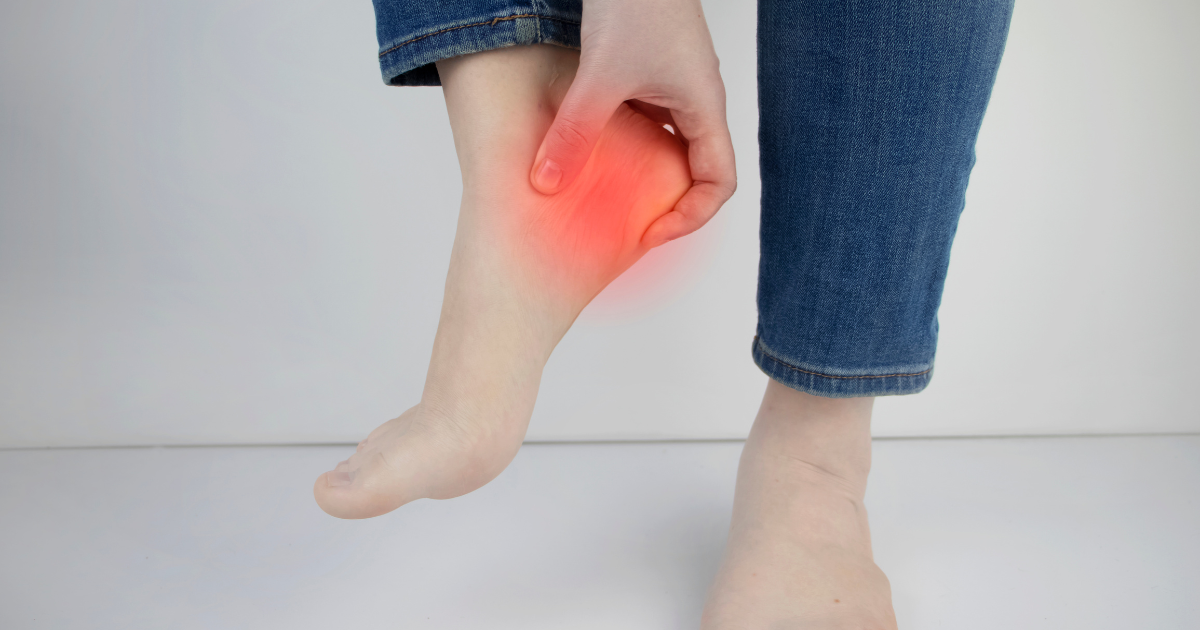
- You have enthesitis (heel, elbow, plantar fascia pain)
- After physical activity or overuse
- During acute PsA flare-ups
When to Avoid Cold Therapy
Avoid cold therapy if:
- You have circulation problems
- You experience numbness or tingling
- You have Raynaud’s phenomenon
- Cold increases stiffness significantly
Heat Therapy vs Cold Therapy: Side-by-Side Comparison
| Feature | Heat Therapy | Cold Therapy |
| Best for | Stiffness, muscle tightness | Swelling, inflammation |
| Pain type | Dull, aching | Sharp, throbbing |
| Timing | Morning or bedtime | During flares or after activity |
| Effect on inflammation | No | Yes |
| Risk | Increased swelling if misused | Numbness if overused |
Which Therapy Works Better for Psoriatic Arthritis?
The answer depends on your symptoms at that moment:
- Stiff but not swollen? → Heat therapy
- Swollen, hot joints? → Cold therapy
- Morning stiffness? → Heat
- Post-exercise pain? → Cold
- Nighttime stiffness? → Heat
- Sudden flare-up? → Cold
Many PsA patients benefit from using both therapies at different times.
Can You Use Heat and Cold Together?
Yes — contrast therapy can be useful in some cases.
How to do it safely:
- Apply cold for 5–7 minutes
- Wait 10 minutes
- Apply heat for 10–15 minutes
This helps:
- Reduce inflammation first
- Then relax muscles and improve mobility
Always stop if pain worsens.
How Often Should You Use Heat or Cold Therapy?
- Heat: 1–3 times daily, 15–20 minutes
- Cold: 1–2 times daily, 5–10 minutes
Never apply directly to bare skin — use a cloth barrier.
Heat & Cold Therapy Safety Tips
- Avoid sleeping with heating pads on
- Do not apply ice longer than recommended
- Check skin every few minutes
- Avoid therapy on open wounds
- Stop if skin turns pale, numb, or painful
Role of Heat & Cold Therapy Along with Medication
Heat and cold therapy do not replace medications. They are supportive tools that work best when combined with:
- DMARDs or biologics
- Anti-inflammatory diet
- Regular movement and stretching
- Weight management
- Stress reduction
When to See a Doctor
Consult your rheumatologist if:
- Pain or swelling does not improve
- Flares become frequent
- Night pain worsens
- You rely heavily on heat or cold daily
- Mobility decreases
Persistent symptoms may require medication adjustment.
Conclusion
Both heat therapy and cold therapy play important roles in managing Psoriatic Arthritis.
Heat therapy is best for stiffness and muscle tightness
Cold therapy is ideal for swelling and active inflammation
The key is knowing when to use which. By listening to your body and applying these therapies correctly, you can reduce pain, improve movement, and regain control over daily life.
Frequently Asked Questions (FAQs)
1. Is heat or cold better for psoriatic arthritis pain?
Both are helpful, depending on symptoms. Heat therapy works best for stiffness and muscle tightness, while cold therapy is better for swelling and active inflammation.
2. Can heat therapy worsen psoriatic arthritis inflammation?
Yes. Applying heat to swollen, red, or hot joints can increase inflammation. Heat should be avoided during active flare-ups.
3. When should I use cold therapy for psoriatic arthritis?
Cold therapy is most effective during acute flares, after physical activity, or when joints feel swollen, warm, or tender.
5. Can I use heat and cold therapy on the same day?
Yes. Many people with psoriatic arthritis benefit from using cold therapy during flares and heat therapy later to reduce stiffness.