

Introduction
Pyoderma Gangrenosum (PG) is a rare and often misunderstood inflammatory skin condition that causes painful, rapidly progressing skin ulcers. Because it mimics infections, vascular ulcers, or surgical wound complications, it is frequently misdiagnosed—leading to delayed treatment and worsening symptoms.
Understanding how rare Pyoderma Gangrenosum is, along with its causes, risk factors, and statistics, can help patients and caregivers seek timely specialist care and avoid unnecessary procedures.
How Rare Is Pyoderma Gangrenosum?
PG is classified as a rare disease worldwide.
Global Prevalence
- Estimated incidence: 3–10 cases per 100,000 people
- Accounts for less than 0.5% of all chronic skin ulcers
- Considered a rare neutrophilic dermatosis
In India
- Exact prevalence is unknown due to underreporting
- Often misdiagnosed as:
- Bacterial infection
- Diabetic ulcer
- Vasculitis
- Non-healing post-surgical wound
Because awareness is limited, many cases are diagnosed late or incorrectly, making Pyoderma Gangrenosum appear even rarer than it is.
Who Is Most Commonly Affected?
Pyoderma Gangrenosum can affect anyone, but certain groups are at higher risk:
- Age group: Most common between 20–50 years
- Gender: Slightly more common in women
- Medical history: Strong association with autoimmune and inflammatory diseases
What Causes Pyoderma Gangrenosum?
The exact cause is unknown, but Pyoderma Gangrenosum is believed to result from an abnormal immune system response.
Instead of protecting the body, immune cells (especially neutrophils) cause excessive inflammation, leading to skin tissue destruction.
Key Contributing Factors
- Immune system dysfunction
- Genetic susceptibility
- Inflammatory triggers
- Skin trauma (pathergy)
PG is not an infection and not contagious.
Associated Diseases and Conditions
More than 50% of Pyoderma Gangrenosum patients have an underlying systemic disease.
Common Associations
- Inflammatory Bowel Disease (30–40%)
- Crohn’s disease
- Ulcerative colitis
- Rheumatologic diseases
- Rheumatoid arthritis
- Ankylosing spondylitis
- Hematological disorders
- Leukemia
- Myelodysplastic syndrome
- Other autoimmune conditions
- Lupus
- Vasculitis
In some cases, PG may be the first sign of an undiagnosed internal disease.
Risk Factors for Pyoderma Gangrenosum
Not everyone develops PG, but certain factors increase risk:
- Existing autoimmune disease
- Chronic inflammatory conditions
- Recent surgery or skin injury
- Poor wound healing history
- Family history of autoimmune disorders
Pathergy Phenomenon
A unique feature of PG is pathergy, where:
- Minor trauma (needle prick, biopsy, surgery)
- Triggers a new or worsening ulcer
This makes early recognition extremely important.
Clinical Presentation
PG usually begins subtly but progresses quickly.
Early Signs
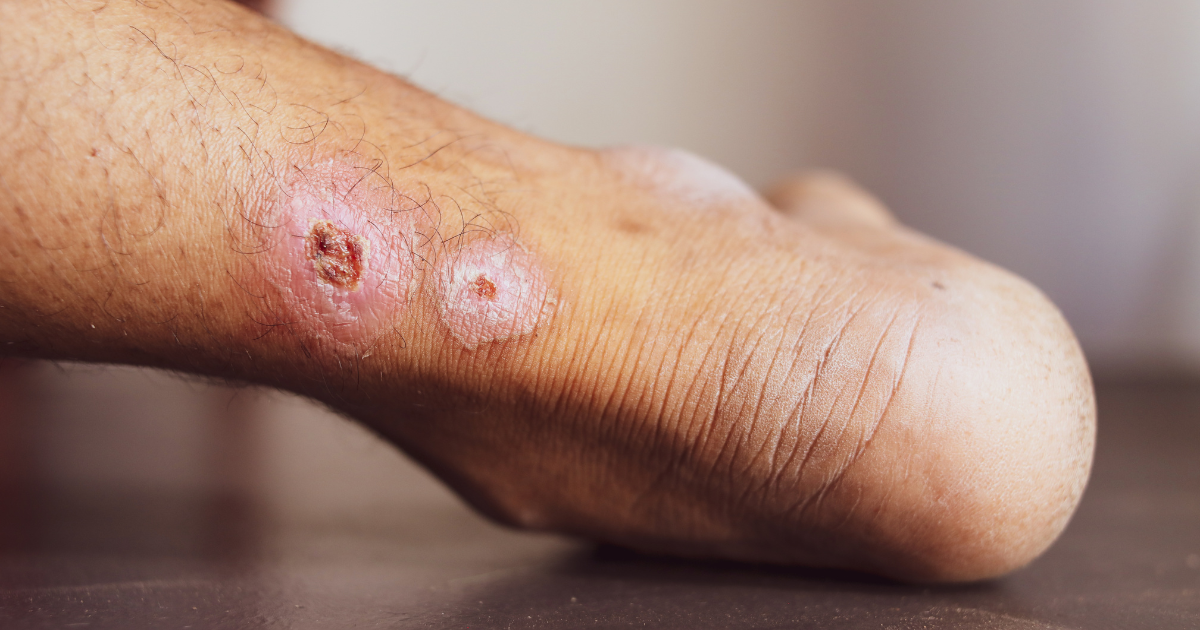
- Small red, purple, or pustular lesion
- Severe pain disproportionate to size
- Rapid skin breakdown
Advanced Symptoms
- Deep ulcers with irregular borders
- Purple or bluish undermined edges
- Pus or fluid discharge
- Slow or non-healing wounds
Most commonly affects:
- Lower legs
- Ankles
- Surgical sites
Statistics You Should Know
- 50–70% of patients have an associated systemic disease
- 30–40% linked to inflammatory bowel disease
- Women affected slightly more than men
- Recurrence rate: up to 30%
- Delayed diagnosis can increase healing time to months or years
Why PG Is Often Misdiagnosed
Because it is rare, PG is frequently mistaken for:
- Bacterial skin infections
- Diabetic foot ulcers
- Venous ulcers
- Necrotizing fasciitis
This leads to:
- Unnecessary antibiotics
- Surgical debridement (which worsens PG)
- Delayed immunosuppressive treatment
Diagnosis
There is no single diagnostic test for PG.
Diagnosis is based on:
- Clinical examination
- Medical history
- Skin biopsy (to rule out infection, cancer, vasculitis)
- Response to immunosuppressive therapy
Treatment Overview
While PG has no permanent cure, it is highly manageable with early treatment.
Treatment Options
- Systemic corticosteroids
- Immunosuppressive drugs (cyclosporine, methotrexate)
- Biologic therapies for severe cases
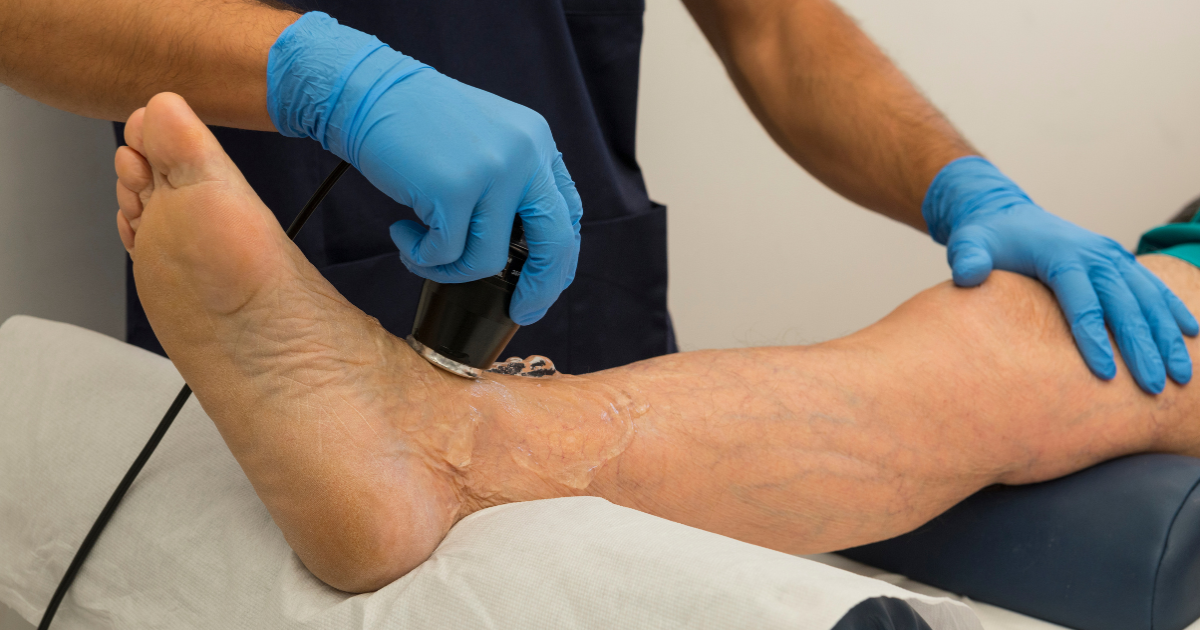
- Proper wound care
- Pain management
Early treatment significantly improves healing and reduces scarring.
Conclusion
Pyoderma Gangrenosum is a rare but serious inflammatory skin disease that requires early recognition and specialist care. Though uncommon, its association with autoimmune and systemic diseases makes awareness critical.
If you or a patient has a rapidly worsening, painful, non-healing ulcer, especially with a history of autoimmune disease, Pyoderma Gangrenosum should be considered.
Early diagnosis saves skin, reduces pain, and prevents long-term complications.
FAQs
1. How rare is Pyoderma Gangrenosum?
Pyoderma Gangrenosum affects approximately 3–10 people per 100,000, making it a rare inflammatory skin condition.
2. Is Pyoderma Gangrenosum contagious?
No, Pyoderma Gangrenosum is not contagious and cannot spread from person to person.
3. What diseases are commonly associated with Pyoderma Gangrenosum?
It is often linked with inflammatory bowel disease, rheumatoid arthritis, blood disorders, and other autoimmune conditions.
4. Can Pyoderma Gangrenosum occur without any underlying disease?
Yes, around 30–40% of patients may develop PG without any known associated condition.
5. Why is Pyoderma Gangrenosum often misdiagnosed?
Because it resembles infections, diabetic ulcers, or surgical wound infections, leading to delayed or incorrect treatment.
6. Can surgery worsen Pyoderma Gangrenosum?
Yes. Due to pathergy, even minor skin trauma or surgery can worsen existing ulcers or trigger new ones.