
Introduction
The rainy season often keeps people indoors, reducing daily movement and physical activity. For individuals living with gout, this can be a challenge. Sitting for long hours, reduced exercise, and unhealthy eating habits during monsoon may increase stiffness, weight gain, and the risk of gout flare-ups.
Many people believe they should avoid exercise if they have gout. However, the truth is that regular, low-impact exercise can help improve joint flexibility, support a healthy weight, and reduce the frequency of gout attacks—provided you choose the right activities.
In this blog, we’ll explore the best indoor exercises for gout patients during rainy days, their benefits, and important precautions to exercise safely.
What Is Gout?
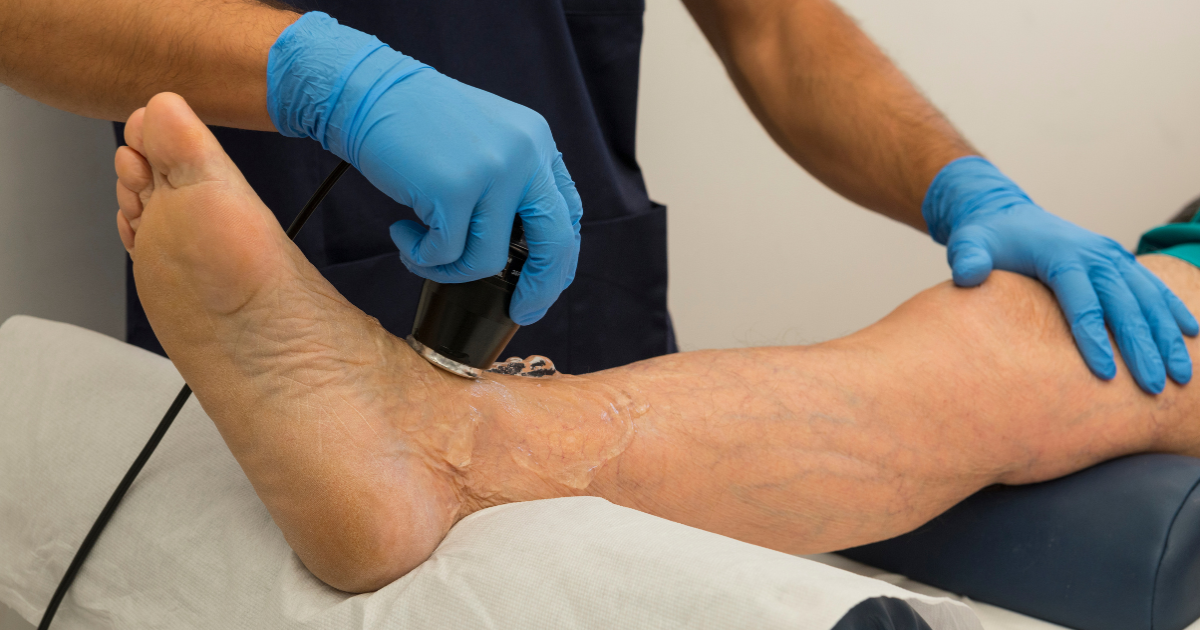
Gout is a form of inflammatory arthritis caused by high uric acid levels in the blood. When uric acid builds up, it forms tiny crystals inside the joints, leading to:
- Sudden severe pain
- Swelling
- Redness
- Joint stiffness
- Difficulty walking or moving
The big toe is the most commonly affected joint, but gout can also involve the ankles, knees, feet, wrists, fingers, and elbows.
Why Staying Active Is Important for Gout Patients
Exercise does not directly lower uric acid, but it supports overall health in many ways.
Regular physical activity helps:
- Maintain a healthy weight
- Improve joint flexibility
- Strengthen muscles around the joints
- Improve blood circulation
- Reduce stiffness
- Support better metabolism
- Lower the risk of diabetes and heart disease, which are often associated with gout
The key is choosing low-impact exercises that do not put excessive stress on inflamed joints.
Should You Exercise During a Gout Attack?
No.
During an active gout attack:
- The affected joint is inflamed.
- Exercise may worsen pain and swelling.
- Rest the affected joint and follow your doctor’s treatment plan.
Once pain and swelling have improved, you can gradually restart gentle exercises.
Best Indoor Exercises for Gout Patients
1. Walking Indoors
Walking is one of the safest exercises for gout patients.
You can:
- Walk inside your home
- Walk in corridors
- Use a treadmill at a comfortable pace
Aim for 20–30 minutes on most days of the week.
Benefits:
- Improves circulation
- Supports weight management
- Keeps joints mobile
2. Gentle Stretching
Stretching reduces stiffness and improves flexibility.
Focus on:
- Ankles
- Calves
- Hamstrings
- Knees
- Wrists
- Fingers
Hold each stretch for 15–20 seconds without bouncing.
Stretching is especially helpful in the morning when joints feel stiff.
3. Chair Exercises
If standing is uncomfortable, chair exercises are an excellent option.
Examples include:
- Seated leg lifts
- Knee extensions
- Ankle circles
- Arm raises
- Shoulder rolls
Chair exercises improve mobility while placing minimal stress on painful joints.
4. Yoga
Gentle yoga can improve flexibility, posture, and balance.
Suitable poses include:
- Cat-Cow Stretch
- Child’s Pose
- Mountain Pose
- Seated Forward Bend
- Bridge Pose (if comfortable)
Yoga may also help reduce stress, which can indirectly support better overall health.
Avoid poses that place excessive pressure on inflamed joints.
5. Balance Exercises
Improving balance helps reduce the risk of falls, especially in older adults with gout.
Simple balance exercises include:
- Standing on one foot while holding a chair
- Heel-to-toe walking
- Side leg raises
Practice only if you feel stable and safe.
6. Light Strength Training
Strong muscles provide better support for joints.
Use:
- Light dumbbells
- Resistance bands
- Water bottles as light weights
Exercises may include:
- Bicep curls
- Wall push-ups
- Seated shoulder press
- Resistance band rows
Start with low resistance and increase gradually.
7. Ankle Mobility Exercises
Since gout commonly affects the feet and ankles, mobility exercises are especially useful.
Try:
- Ankle circles
- Toe curls
- Heel raises
- Toe raises
These exercises help improve joint movement and reduce stiffness.
8. Deep Breathing and Relaxation Exercises
Stress may contribute to unhealthy lifestyle habits that worsen gout.
Practice:
- Deep breathing
- Meditation
- Mindfulness
Even 10 minutes daily can improve overall well-being.
Exercise Tips During the Rainy Season
Wear Comfortable Footwear
Supportive shoes reduce pressure on the feet and ankles.
Warm Up Before Exercising
Spend 5–10 minutes warming up with gentle movements.
This prepares your joints and reduces injury risk.
Stay Hydrated
Many people drink less water during monsoon.
Drink 2.5–3 liters of water daily (unless your doctor advises otherwise).
Proper hydration helps the kidneys remove uric acid.
Exercise Consistently
Aim for:
- At least 150 minutes of moderate exercise per week
Consistency is more important than intensity.
Listen to Your Body
Stop exercising if you experience:
- Severe joint pain
- Swelling
- Sudden discomfort
- Dizziness
Consult your doctor if symptoms persist.
Exercises to Avoid During a Gout Flare
Avoid:
- Running
- Jumping exercises
- High-impact aerobics
- Heavy weightlifting
- Sports that place stress on painful joints
Resume these activities only after medical advice and recovery.
Lifestyle Tips to Complement Exercise
Exercise works best when combined with healthy habits:
Eat a low-purine diet
Limit alcohol
Avoid sugary drinks
Maintain a healthy weight
Sleep 7–8 hours daily
Take prescribed uric acid-lowering medications regularly
FAQs
Can exercise lower uric acid levels?
Exercise does not directly lower uric acid, but it supports weight management and overall metabolic health, which helps reduce gout risk.
Is yoga safe for gout patients?
Yes. Gentle yoga is generally safe when performed correctly and not during an acute gout attack.
Should I exercise if my toe is swollen?
No. Rest the affected joint during a gout flare and resume exercise only after the pain and swelling improve.
Which exercise is best for beginners with gout?
Walking, stretching, and chair exercises are excellent starting points because they are low-impact and joint-friendly.
Conclusion
Rainy days don’t have to mean giving up on your fitness routine. Staying active indoors with low-impact exercises like walking, stretching, yoga, chair exercises, and light strength training can help improve joint mobility, maintain a healthy weight, and support overall health.
Remember, exercise should be gentle, consistent, and adapted to your condition. Avoid strenuous activities during an active gout attack, stay hydrated, and combine regular movement with a balanced diet and proper medical treatment.
By making indoor exercise a part of your daily routine, you can keep your joints healthier and reduce the risk of gout flare-ups—even during the rainy season.