

Behcet’s Disease is a chronic, multisystem inflammatory disorder that can affect various parts of the body, including the mouth. One of the hallmark symptoms of Behcet’s is recurrent mouth ulcers, also known as oral aphthous ulcers. While these ulcers are common, their presence and severity can sometimes signal a more serious progression of the disease.
In this blog, we explore the significance of mouth ulcers in Behcet’s Disease, when they should raise concern, and how to manage them effectively.
What is Behcet’s Disease?
Behcet’s Disease is an autoimmune condition characterized by inflammation of blood vessels. It can cause a variety of symptoms, including:
- Oral ulcers
- Genital ulcers
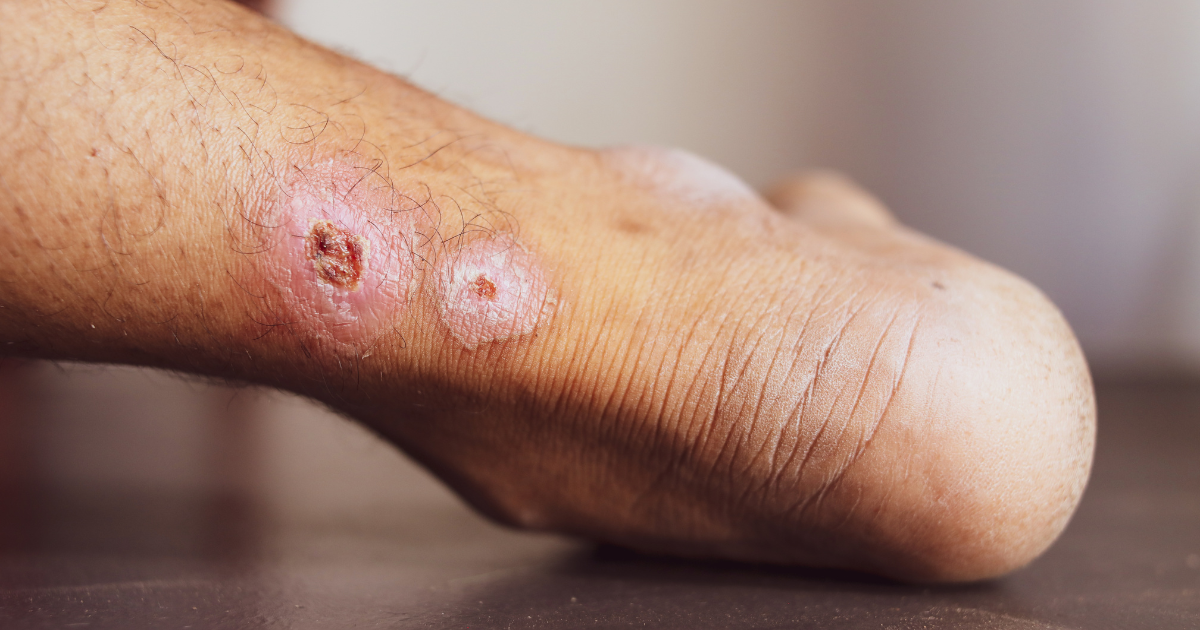
- Skin lesions
- Eye inflammation
- Joint pain
The exact cause is unknown, but it is thought to involve a combination of genetic and environmental factors.
Understanding Mouth Ulcers in Behcet’s Disease
Mouth ulcers in Behcet’s are typically painful, recurrent, and can vary in size. They often appear as:
- Red, round sores with a white or yellow center
- Painful lesions that make eating and speaking uncomfortable
- Ulcers that heal but tend to recur frequently
While mouth ulcers are common in Behcet’s, the pattern, frequency, and severity can provide important clues about disease activity.
When Should Mouth Ulcers Be a Warning Sign?
1. Increased Frequency and Severity
If you notice that mouth ulcers are becoming more frequent or severe, it could indicate a flare-up of Behçet’s Disease. This often means the disease is more active and may require adjustment in treatment.
2. Resistance to Standard Treatment
When mouth ulcers do not respond to typical treatments, such as topical gels or mouth rinses, it may signal that the disease is progressing. This might necessitate a more aggressive approach to managing inflammation.
3. Associated Systemic Symptoms
If mouth ulcers are accompanied by other symptoms like eye inflammation, skin lesions, or joint pain, it’s important to consider the possibility of a more systemic flare. In such cases, prompt medical attention is crucial.
4. Impact on Quality of Life
When mouth ulcers significantly affect your ability to eat, speak, or maintain oral hygiene, it’s a clear warning sign that the disease is impacting your daily life. This is a signal to seek comprehensive care.
Managing Mouth Ulcers in Behcet’s Disease
1. Topical Treatments
Over-the-counter topical treatments, such as corticosteroid gels, can help reduce inflammation and pain. These are effective for mild to moderate ulcers.
2. Oral Rinses
Antiseptic mouthwashes can help prevent secondary infections and keep the mouth clean, reducing the risk of complications.
3. Systemic Medications
For severe or persistent ulcers, doctors may prescribe systemic medications such as colchicine, corticosteroids, or immunosuppressants to control inflammation and prevent flare-ups.
4. Lifestyle Adjustments
Maintaining good oral hygiene, avoiding irritants (like spicy or acidic foods), and managing stress can help reduce the frequency and severity of mouth ulcers.
When to See a Doctor
It’s important to consult a healthcare provider if:
- Mouth ulcers are severe or persistent.
- They are accompanied by other symptoms of Behçet’s Disease.
- Over-the-counter treatments are ineffective.
- There is significant impact on your daily activities.
Early intervention can help manage symptoms more effectively and prevent complications.
FAQs: Mouth Ulcers in Behcet’s Disease
Q1: Are mouth ulcers the first sign of Behcet’s Disease?
Yes, for many patients, mouth ulcers are often the first noticeable symptom and can precede other symptoms.
Q2: How often do mouth ulcers occur in Behcet’s Disease?
They can occur frequently, with some patients experiencing them several times a month.
Q3: Can mouth ulcers in Behcet’s Disease be cured?
While there is no cure for Behçet’s Disease, mouth ulcers can be managed effectively with proper treatment and lifestyle adjustments.
Q4: What triggers mouth ulcers in Behcet’s Disease?
Triggers can include stress, certain foods, hormonal changes, and sometimes infections.
Q5: Is there a connection between mouth ulcers and other symptoms in Behcet’s Disease?
Yes, mouth ulcers often coincide with other systemic symptoms, and their presence can indicate disease activity.
Conclusion
Mouth ulcers are a common and often early symptom of Behcet’s Disease. While they can be managed effectively, their frequency and severity can provide important insights into disease activity. Recognizing when these ulcers are a warning sign can lead to timely intervention and better management of the condition.
If you experience persistent or severe mouth ulcers, it’s crucial to seek medical advice to ensure comprehensive care and maintain quality of life.