
Introduction
The rainy season brings relief from the summer heat, but for many people living with gout, it can also bring an increased risk of joint pain and flare-ups. Many gout patients notice that their symptoms seem to worsen during monsoon months due to changes in weather, hydration levels, physical activity, and dietary habits.
While rain itself does not cause gout, certain factors associated with the rainy season can increase the likelihood of a gout attack. The good news is that with proper lifestyle changes and preventive measures, you can significantly reduce your risk of painful flare-ups.
In this article, we’ll discuss how to prevent gout attacks during the rainy season, common triggers to watch for, and practical tips for keeping your uric acid levels under control.
What Is Gout?
Gout is a type of inflammatory arthritis caused by excess uric acid in the blood.
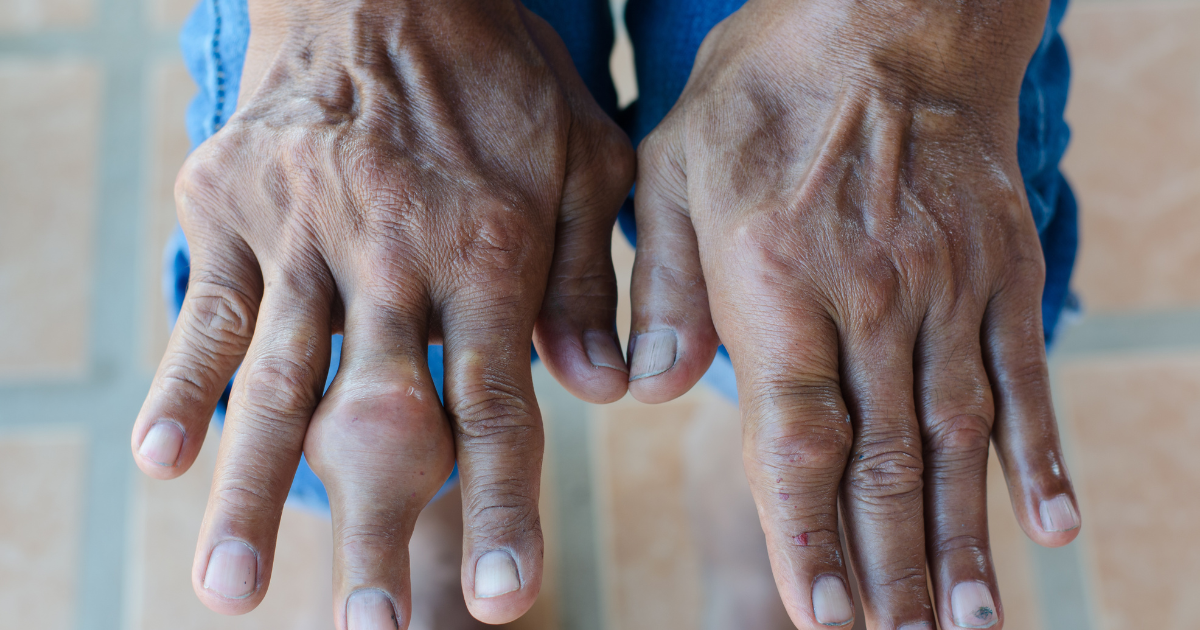
When uric acid levels remain high, sharp crystals can form inside joints, causing:
- Sudden severe pain
- Swelling
- Redness
- Warmth
- Joint tenderness
The condition commonly affects:
- Big toe
- Ankle
- Foot
- Knee
- Wrist
- Fingers
Without proper management, gout attacks can become more frequent and lead to long-term joint damage.
Why Can the Rainy Season Increase Gout Risk?
Several factors during monsoon may contribute to gout flare-ups:
Cooler Temperatures
Uric acid crystals tend to form more easily in cooler joints, especially in the feet and toes.
Reduced Water Intake
Many people drink less water during rainy weather, which can increase uric acid concentration.
Less Physical Activity
Staying indoors for long periods may contribute to weight gain and reduced metabolism.
Seasonal Food Choices
Monsoon cravings often lead to increased consumption of fried foods, processed snacks, and sugary beverages.
These factors may increase the likelihood of a gout attack if uric acid levels are already elevated.
1. Stay Well Hydrated
Hydration is one of the most effective ways to prevent gout attacks.
When you drink enough water:
- Kidneys remove uric acid more efficiently
- Uric acid concentration decreases
- Crystal formation becomes less likely
How Much Water Should You Drink?
Most adults should aim for:
✅ 2.5–3 liters of water daily
You may need more if:
- You exercise regularly
- You sweat heavily
- Your doctor recommends increased fluid intake
2. Don’t Let Monsoon Reduce Your Water Consumption
A common mistake during rainy weather is drinking less water because you don’t feel thirsty.
However:
- Your body still needs adequate fluids
- Mild dehydration can increase uric acid levels
- Kidney function works best when hydration is maintained
Helpful options include:
- Plain water
- Lemon water (without added sugar)
- Coconut water
- Buttermilk
3. Follow a Gout-Friendly Monsoon Diet
Diet plays a major role in gout prevention.
Foods to Limit
Avoid excessive consumption of:
Red meat
Organ meat
Shellfish
Beer and alcohol
Sugary drinks
Processed foods
These foods can increase uric acid production.
Foods to Include
Choose foods that support healthy uric acid levels:
Fresh fruits
Green vegetables
Whole grains
Low-fat dairy products
Nuts and seeds
Water-rich foods such as cucumber and fruits can also help maintain hydration.
4. Avoid Excessive Alcohol Consumption
Alcohol is a well-known trigger for gout attacks.
Beer is particularly problematic because it:
- Contains purines
- Increases uric acid production
- Promotes dehydration
During monsoon gatherings and celebrations, limiting alcohol intake can significantly reduce flare-up risk.
5. Stay Physically Active
Rainy weather often leads to reduced activity levels.
However, regular exercise helps:
- Maintain healthy weight
- Improve metabolism
- Reduce inflammation
- Support overall joint health
Indoor Activities You Can Try
- Walking indoors
- Stretching exercises
- Yoga
- Light strength training
Even 30 minutes of daily activity can make a difference.
6. Maintain a Healthy Weight
Excess body weight increases the risk of:
- High uric acid levels
- Frequent gout attacks
- Joint stress
Gradual and sustainable weight management can help reduce gout symptoms over time.
Avoid crash diets, as rapid weight loss may actually increase uric acid levels temporarily.
7. Protect Your Feet and Joints
Since gout often affects the feet and toes, proper joint care is important during rainy weather.
Tips:
- Wear comfortable footwear
- Avoid walking in wet shoes for long periods
- Keep feet warm and dry
- Use supportive footwear if you have recurrent foot pain
8. Take Your Medications Regularly
Many gout patients stop medications once symptoms improve.
This is a common mistake.
If your doctor has prescribed:
- Allopurinol
- Febuxostat
- Other uric acid-lowering medications
continue taking them as directed.
These medications help prevent crystal formation and future attacks.
9. Monitor Your Uric Acid Levels
Regular monitoring helps identify problems before symptoms appear.
Your doctor may recommend:
- Serum uric acid testing
- Kidney function tests
Routine check-ups help ensure that treatment remains effective.
10. Recognize Early Warning Signs
Many gout attacks are preceded by subtle symptoms such as:
- Mild joint discomfort
- Tingling sensation
- Tenderness in the toe
- Night-time joint pain
Early recognition allows prompt treatment and may reduce attack severity.
FAQs
Can rainy weather directly cause gout?
No. Rain does not directly cause gout, but weather-related factors may contribute to flare-ups.
Why is hydration important during monsoon?
Dehydration increases uric acid concentration and makes crystal formation more likely.
Is walking good for gout patients during rainy season?
Yes. Moderate physical activity helps maintain weight and supports overall health.
Can diet really prevent gout attacks?
Yes. Avoiding high-purine foods and maintaining healthy eating habits can significantly reduce gout risk.
Conclusion
The rainy season can create conditions that make gout attacks more likely, especially if uric acid levels are already elevated. Reduced hydration, changes in physical activity, and unhealthy food choices are some of the biggest contributors.
Fortunately, simple preventive measures such as staying hydrated, following a gout-friendly diet, remaining active, and taking prescribed medications can greatly reduce the risk of painful flare-ups.
By taking proactive steps during the monsoon, you can protect your joints, maintain better uric acid control, and enjoy the rainy season with greater comfort.