
Introduction
Rheumatoid Arthritis (RA) is a long-term autoimmune disease. It causes swelling, stiffness, and pain in the joints. Many patients fear that exercise will worsen their pain. But in reality, the right exercises can help reduce joint pain, improve mobility, and increase strength.
In this blog, we will discuss:
- Why exercise is important in RA
- Best types of exercises for RA patients
- Safety tips before starting exercises
- Simple daily routine you can follow
Why Exercise is Important in Rheumatoid Arthritis?
Rheumatoid Arthritis leads to inflammation in the joints. Over time, this damages cartilage and bones. Regular movement and exercise help in many ways:
- Reduces stiffness – Movement keeps joints flexible.
- Strengthens muscles – Strong muscles support weak joints.
- Improves blood flow – Good circulation reduces swelling.
- Boosts mood – Exercise reduces stress and fatigue.
- Maintains weight – Less weight means less pressure on joints.
Without exercise, joints can become more stiff and painful.
Types of Exercises for Rheumatoid Arthritis Patients
Not all exercises are safe for RA. Heavy lifting and high-impact sports can harm joints. Instead, low-impact, gentle activities are best.
1. Range of Motion (ROM) Exercises
These exercises keep joints flexible.
- Rotate shoulders in a circle.
- Move wrists up and down.
- Stretch arms and legs slowly.
Do them daily for 10–15 minutes.
2. Strengthening Exercises
They build muscle around joints.
- Use light weights or resistance bands.
- Leg raises while lying on bed.
- Wall push-ups instead of floor push-ups.
Do 2–3 times per week.
3. Aerobic or Cardio Exercises
They improve heart health and reduce fatigue.
- Walking at a slow pace.
- Swimming or water aerobics.
- Cycling on a stationary bike.
Aim for 20–30 minutes, 3–5 times a week.
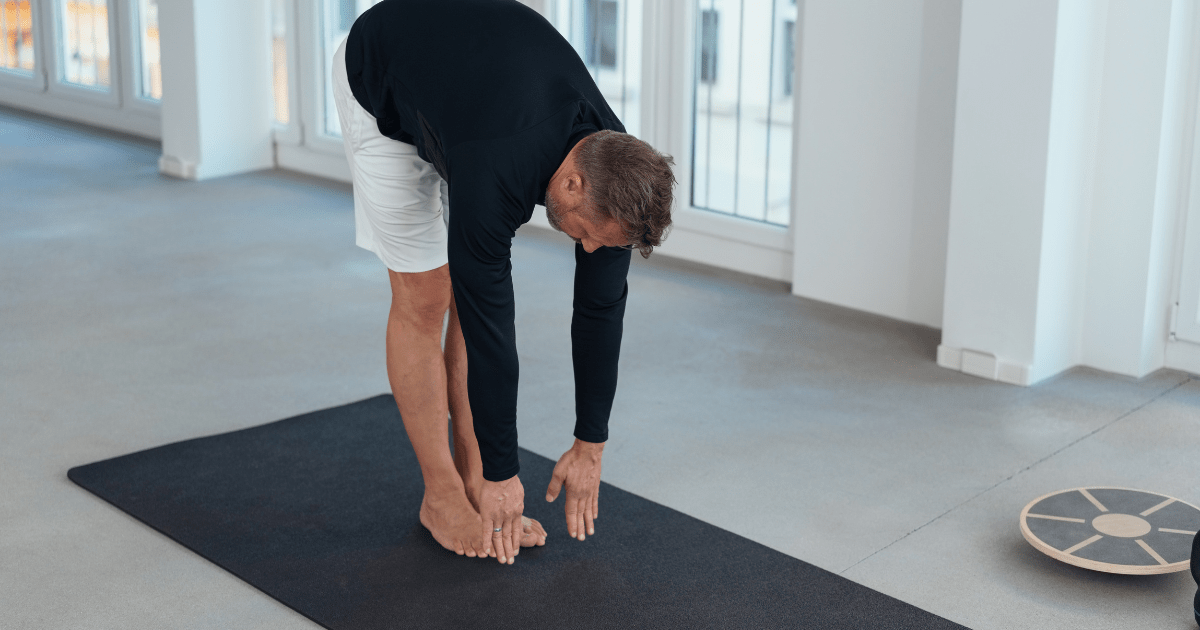
4. Flexibility and Stretching
Stretching relaxes stiff joints.
- Neck tilts (side to side).
- Hamstring stretches.
- Yoga poses like Cat-Cow, Child’s Pose.
Hold each stretch for 15–30 seconds.
5. Balance Exercises
They prevent falls and improve stability.
- Standing on one leg for 10 seconds.
- Heel-to-toe walking.
- Tai Chi for gentle balance training.
When Not to Exercise?
Sometimes exercise can worsen RA pain if done at the wrong time. Avoid exercise if:
- You have a flare-up (active joint swelling).
- You feel extreme fatigue.
- A joint feels hot and red.
- Doctor advises rest.
Instead, use gentle stretching or relaxation exercises during flare-ups.
Safety Tips for Rheumatoid Arthritis Patients
To get benefits without harming joints, follow these tips:
- Start slow – Increase exercise time gradually.
- Warm-up and cool-down – Stretch before and after.
- Listen to your body – Stop if pain increases.
- Use support – Wear braces or shoes with cushioning.
- Exercise in water – Reduces joint stress.
- Consult your rheumatologist – Get a personalized plan.
A Simple Daily Exercise Routine for RA
Morning
- Gentle stretching (5–10 min)
- Deep breathing exercises
Afternoon
- 15–20 min walk
- 5 min light weights for arms/legs
Evening
- Yoga stretches (10–15 min)
- Relaxation with meditation
This balanced routine helps in reducing pain, improving flexibility, and boosting energy.
Benefits You Will Notice
If done regularly, exercise can bring positive changes:
- Less joint stiffness in morning
- Reduced swelling and pain
- Better energy levels
- Improved sleep quality
- More confidence in daily activities
FAQs
Q1. Can exercise cure RA?
No. Exercise cannot cure RA, but it helps control pain and stiffness.
Q2. Is yoga good for RA?
Yes. Gentle yoga reduces stiffness and improves flexibility.
Q3. Should I exercise daily?
Yes, but in moderation. Do light exercise daily and strengthening 2–3 times a week.
Q4. Can exercise cause joint damage?
Not if done correctly. Always choose low-impact exercises.
Q5. What is the best time to exercise?
Morning or evening when pain is less. Avoid very cold weather.
Conclusion
Exercise is a safe and powerful way to manage Rheumatoid Arthritis joint pain. The key is to choose low-impact, gentle exercises that keep joints flexible and strong. With regular activity, you can improve your mobility, reduce fatigue, and live a better quality of life.
Remember: Start slow, listen to your body, and consult your doctor before beginning a new routine.