

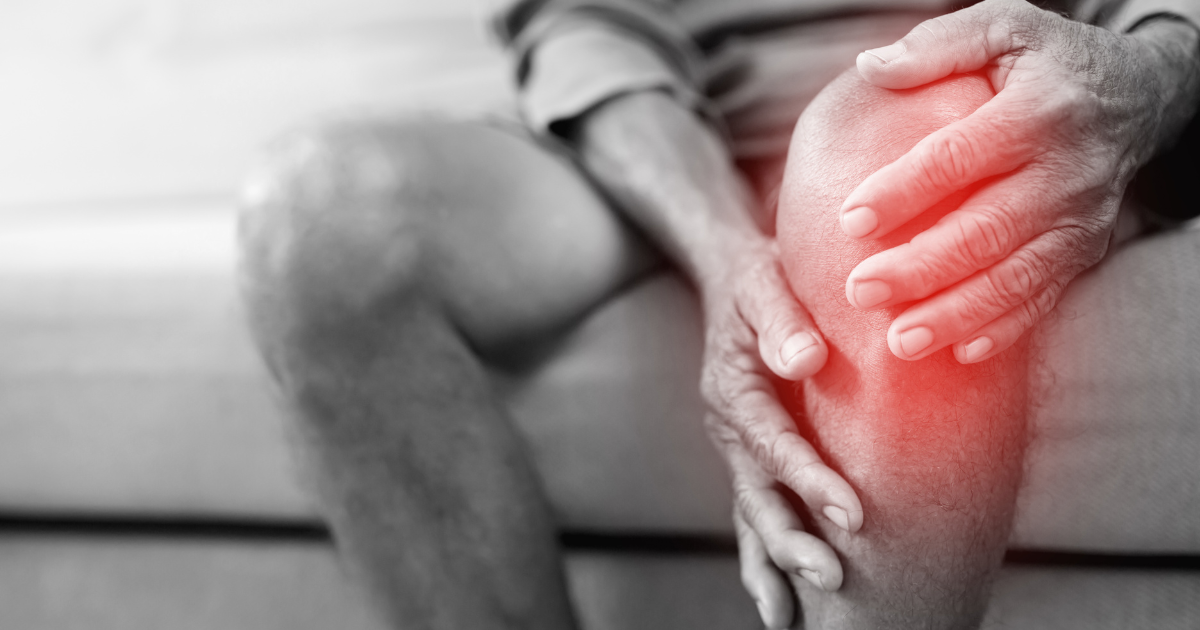
How a Sedentary Lifestyle is Increasing Knee Pain in Young Adults
In today’s digital world, many people spend 8–10 hours a day sitting in front of computers, laptops, or mobile screens. Whether you work in an office, from home, or spend long hours using your phone, a sedentary lifestyle has become a part of daily life.
Most people know that excessive screen time can affect the eyes and posture, but very few realize that it can also increase the risk of knee osteoarthritis (OA). Earlier, osteoarthritis was considered a disease of older adults, but today, more people in their 30s and 40s are experiencing knee pain, stiffness, and reduced mobility.
So, can screen time and sitting jobs really contribute to knee osteoarthritis? Let’s find out.
What is Knee Osteoarthritis?
Knee osteoarthritis is a degenerative joint disease in which the cartilage cushioning the knee gradually wears away. As the cartilage becomes thinner, the bones begin to rub against each other, leading to pain, stiffness, swelling, and difficulty in movement.
Although aging is a major risk factor, modern lifestyle habits are now playing a significant role in the early development of knee osteoarthritis.
How Screen Time and Sitting Jobs Affect Your Knees
1. Sitting for Long Hours Weakens Knee Muscles
When you remain seated for long periods, the muscles around your knees—especially the quadriceps and hamstrings—become weak.
Weak muscles provide less support to the knee joint, increasing stress on the cartilage.
Over time, this can lead to:
- Knee pain
- Joint stiffness
- Reduced stability
- Higher risk of osteoarthritis
2. Lack of Movement Reduces Joint Lubrication
Healthy joints need regular movement to stay lubricated.
When you sit continuously:
- Joint fluid circulates less efficiently.
- Cartilage receives fewer nutrients.
- Knees become stiff after sitting.
This is why many people experience knee stiffness after getting up from a chair.
3. Weight Gain Increases Pressure on the Knees
Long hours of sitting often mean fewer calories burned.
This can lead to:
- Weight gain
- Obesity
- Increased pressure on knee joints
Even a small increase in body weight puts extra stress on the knees. Studies suggest that every extra kilogram of body weight significantly increases the load on the knee joint during walking.
4. Poor Sitting Posture
Many office workers sit with:
- Crossed legs
- Bent knees for long periods
- Slouched posture
Poor posture changes the alignment of the knees and hips, increasing strain on the joints over time.
5. Reduced Blood Circulation
Continuous sitting slows blood circulation to the lower limbs.
Poor circulation can lead to:
- Muscle tightness
- Joint stiffness
- Reduced flexibility
- Slower recovery from minor injuries
6. Lack of Regular Exercise
People with desk jobs often struggle to find time for physical activity.
Without exercise:
- Muscles become weaker.
- Joint flexibility decreases.
- Body weight increases.
- Knee pain worsens.
Regular movement is essential to keep knee joints healthy.
Who Is at Higher Risk?
You may have a higher risk of developing knee osteoarthritis if you:
- Sit for more than 7–8 hours daily
- Work from home with little movement
- Spend long hours using a laptop or mobile phone
- Are overweight or obese
- Rarely exercise
- Have had a previous knee injury
- Are over the age of 40
- Have a family history of osteoarthritis
Early Warning Signs You Should Not Ignore
Watch out for these symptoms:
- Knee pain after sitting for long periods
- Morning stiffness lasting several minutes
- Difficulty climbing stairs
- Cracking or grinding sounds in the knee
- Swelling around the knee
- Pain while standing up from a chair
If these symptoms persist for more than a few weeks, consult a rheumatologist or orthopedic specialist.
How to Protect Your Knees While Working
1. Follow the 30–30 Rule
Stand up and move for 2–5 minutes after every 30 minutes of sitting.
Even a short walk improves joint lubrication.
2. Stretch Regularly
Simple stretches help reduce stiffness.
Focus on:
- Hamstrings
- Quadriceps
- Calf muscles
- Hip flexors
3. Strengthen Your Leg Muscles
Low-impact exercises include:
- Straight leg raises
- Wall sits
- Mini squats
- Step-ups
Stronger muscles reduce stress on the knees.
4. Maintain a Healthy Weight
Losing even 5–10% of your body weight can significantly reduce knee pain and slow osteoarthritis progression.
5. Improve Your Workstation Ergonomics
Your chair should:
- Support your lower back
- Keep knees at a 90-degree angle
- Allow both feet to rest flat on the floor
Proper posture protects your joints.
6. Stay Physically Active
Aim for at least 150 minutes of moderate exercise every week.
Good options include:
- Walking
- Cycling
- Swimming
- Yoga
- Physiotherapy exercises
7. Eat a Joint-Friendly Diet
Choose foods rich in:
- Omega-3 fatty acids
- Vitamin D
- Calcium
- Protein
- Fresh fruits and vegetables
Limit sugary drinks, processed foods, and excessive fried foods.
Can Lifestyle Changes Prevent Knee Osteoarthritis?
While aging cannot be prevented, many lifestyle-related risk factors can be controlled.
Healthy habits can:
- Reduce knee pain
- Slow cartilage damage
- Improve mobility
- Delay the need for surgery
- Improve overall joint health
The earlier these changes are made, the better the long-term results.
When Should You See a Rheumatologist?
Consult a rheumatologist if:
- Knee pain lasts for more than 2–3 weeks.
- Stiffness is affecting your daily routine.
- Swelling keeps returning.
- Pain worsens despite rest.
- Walking or climbing stairs becomes difficult.
Early diagnosis and treatment can help preserve joint function and improve quality of life.
Conclusion
Modern lifestyles have changed the way we work—and unfortunately, they have also increased the risk of knee osteoarthritis. Long hours of sitting, excessive screen time, lack of exercise, poor posture, and obesity are becoming hidden contributors to joint damage.
The good news is that simple lifestyle changes, such as taking regular movement breaks, maintaining a healthy weight, exercising consistently, and improving workplace ergonomics, can go a long way in protecting your knees.
If you’re experiencing persistent knee pain or stiffness, don’t ignore it. Early evaluation and timely treatment can help you stay active and prevent long-term joint damage.
Frequently Asked Questions (FAQs)
1. Can sitting for long hours cause knee osteoarthritis?
Long-term sitting itself does not directly cause osteoarthritis, but it weakens muscles, reduces joint movement, and increases other risk factors that may contribute to knee osteoarthritis.
2. How many hours of sitting is considered unhealthy?
Sitting continuously for more than 6–8 hours a day without regular movement is associated with several health risks, including joint problems.
3. Does screen time affect knee health?
Yes. Excessive screen time often leads to prolonged sitting and reduced physical activity, which can indirectly increase the risk of knee pain and osteoarthritis.
4. What is the best exercise for people with desk jobs?
Walking, stretching, cycling, swimming, and quadriceps-strengthening exercises are excellent choices for maintaining healthy knees.
5. Can lifestyle changes slow the progression of knee osteoarthritis?
Yes. Weight management, regular exercise, healthy eating, and avoiding prolonged sitting can help reduce symptoms and slow disease progression.